
The Best Time to Visit Morocco
The Best Time to Visit Morocco: My honest take on the seasons, weather, and crowds to help you plan a more rewarding trip with confidence and less stress.
Table of Contents
Did you know that this North African nation has snow-capped peaks and scorching desert dunes within the same twenty-four hours? This geographic diversity means finding the best time to visit morocco requires careful itinerary planning.
Many travelers assume one season suits every region, but Morocco’s coast, imperial cities, and Sahara desert follow different climate cycles. Agadir may have perfect beach weather while the Atlas Mountains remain buried under heavy winter snow.
Your ideal trip depends on pleasant temperatures, local festivals, and crowd levels. Whether you want vibrant cultural events or quiet desert nights, the best time to visit morocco ensures a smooth experience. We will explore seasonal changes so you can choose dates that match your travel dreams.
The Best Time to Visit Morocco: My Overall Recommendation
Choosing the right time for your Moroccan adventure means balancing weather with crowds. For most travelers, the best time to visit Morocco comes in spring or autumn.
These seasons bring comfortable weather for exploring busy medinas and wide landscapes without extreme heat. Winter and summer have their own charms, but spring and fall remain the top travel times for Morocco.
Why Spring and Fall Offer the Best Balance
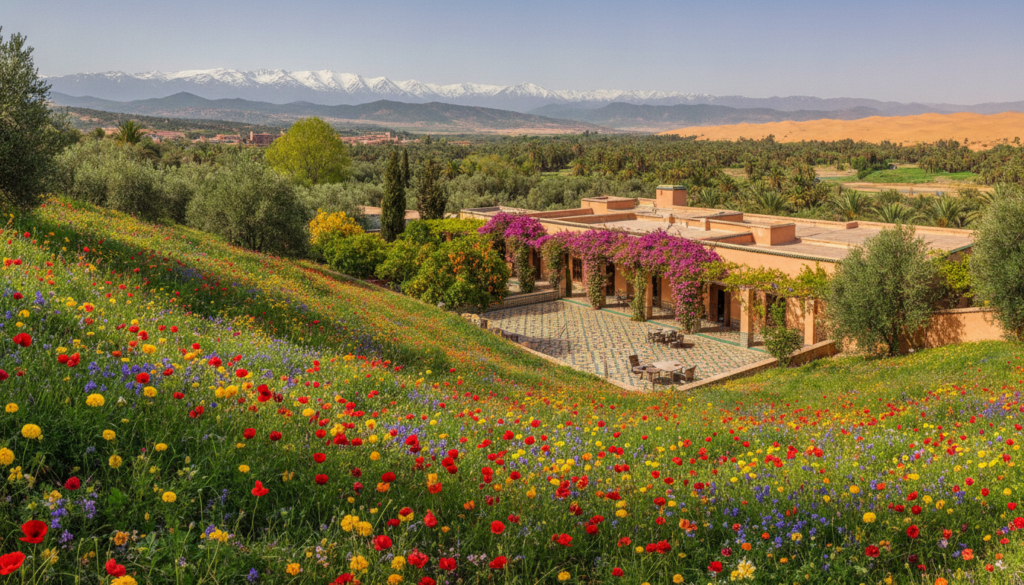
Spring, especially April and May, brings blooming landscapes and mild temperatures across Morocco. It is a great time to walk through Chefchaouen’s blue streets or hike in the Atlas Mountains.
Autumn, from October through early November, offers similar comfort as summer’s heat fades. Cool evenings are perfect for enjoying dinner on a rooftop terrace.
These months are widely seen as the top travel times for Morocco because they offer great variety. Whether you visit the Sahara or Atlantic coast, you will likely find pleasant conditions.
When Morocco’s Weather Matters More Than Its Crowds
Many travelers try to avoid busy months and crowds. However, planning around comfortable weather often creates a better itinerary.
If you visit during peak summer, intense heat can make historic city walks exhausting. Choosing the best time to visit Morocco by temperature helps you enjoy your surroundings with more energy.
Shoulder-season sites may be busier, but this trade-off is worthwhile. You will spend less time escaping the sun and more time experiencing Morocco’s vibrant culture.
How Morocco’s Climate Changes Across the Country
National weather averages can hide the country’s varied weather patterns. This morocco climate guide explains why Morocco should not be treated as one climate zone. Instead, view Morocco as distinct microclimates shaped by elevation and distance from the ocean.
To understand these differences, consider Morocco’s primary climate zones:
- The temperate Atlantic coastline.
- The hot, arid inland plains.
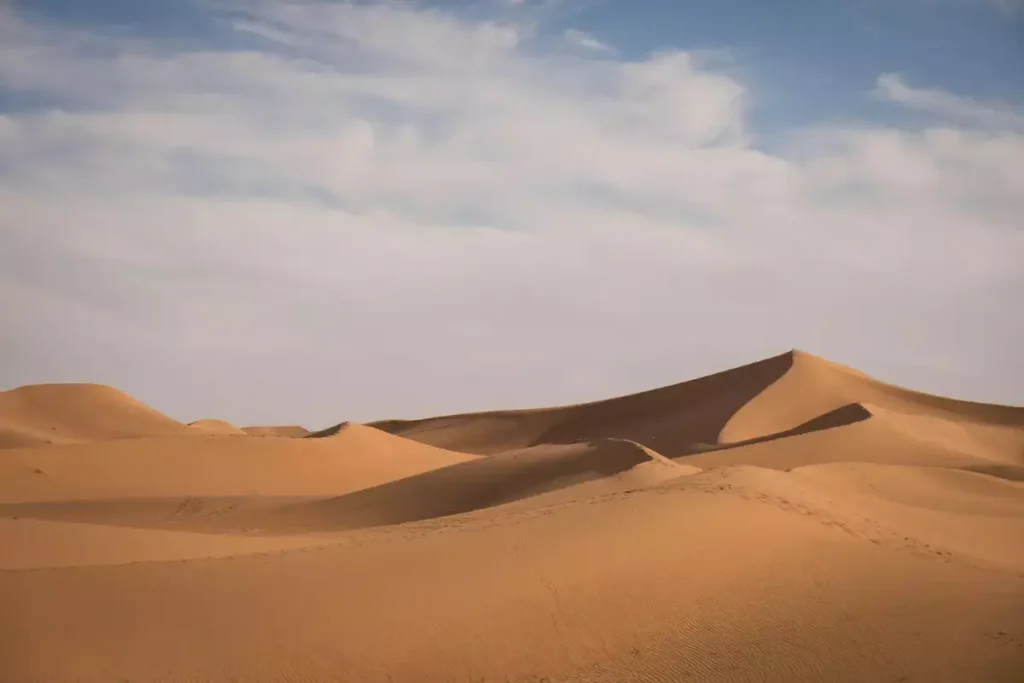
- The extreme Sahara Desert region.
- The high-altitude Atlas Mountain range.
Atlantic Coast: Mild Temperatures in Casablanca, Rabat, and Essaouira
Ocean air cools Morocco’s Atlantic coast. Cities like Casablanca, Rabat, and Essaouira enjoy mild temperatures for much of the year. Travelers rarely face the inland heat, making this region a comfortable choice.
Marrakech and the Inland Cities: Hot Summers and Pleasant Shoulder Seasons
Inland cities like Marrakech have much larger weather changes. Summers are very hot, with temperatures often rising well above 100°F. However, shoulder seasons bring pleasant, sunny days for exploring historic medinas and vibrant souks.
Sahara Desert: Large Temperature Swings Between Day and Night
The Sahara Desert has extreme temperature changes. Strong daytime sun can give way to freezing temperatures after sunset because humidity is low. Travelers should pack warm layers, even during the warmer months.
Atlas Mountains: Snow, Hiking Conditions, and Altitude Changes
The Atlas Mountains form a huge barrier that shapes weather across the country. Higher elevations bring snowy winters and cooler air than the lowlands. This region suits hikers escaping the heat, but they should watch altitude and trail conditions.
Spring Is the Ideal Season for a First Trip to Morocco
For many visitors, spring is the ideal season to travel to Morocco. It brings mild weather and striking natural beauty, helping first-time visitors explore with ease. You can visit busy cities and quiet deserts without summer’s intense heat or winter’s sudden chill.
March Weather and Early-Season Travel Conditions
March begins the shift from winter to spring. Mornings and evenings stay crisp, but daytime sun brings pleasant warmth for walks through historic medinas. Fewer crowds allow a slower, more relaxed pace.
March suits travelers who prefer cooler sightseeing temperatures. Pack layers, because desert areas can cool sharply after sunset.
April’s Comfortable Temperatures and Blooming Landscapes
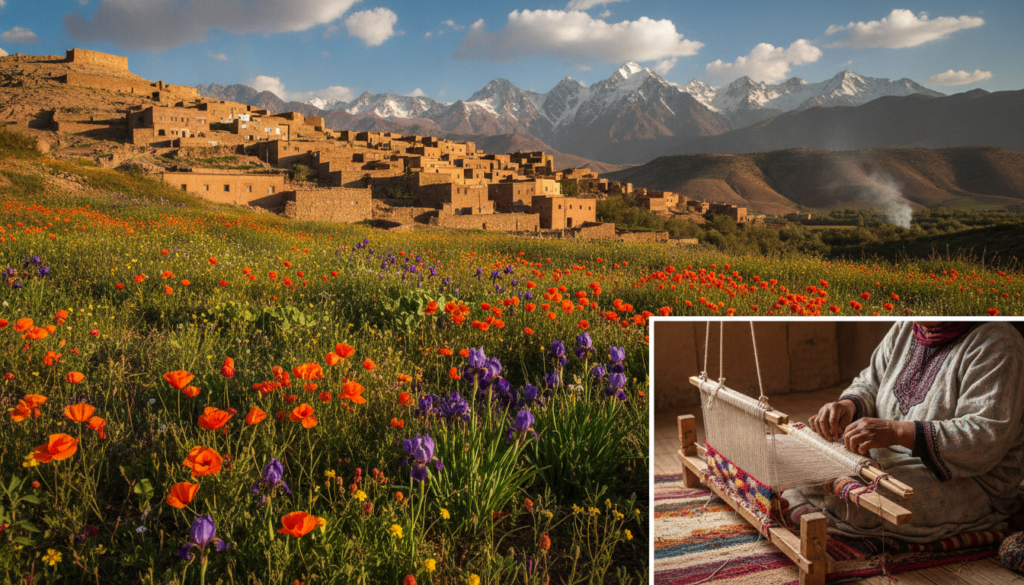
April is widely seen as the sweet spot for a Moroccan vacation. The countryside turns lush and green, while famous rose valleys bloom with vivid colors. This is the ideal season to travel to Morocco for picturesque Atlas Mountain views.
Temperatures stay comfortable across most of the country. Enjoy outdoor meals and long walks through city gardens without feeling overheated.
May Heat, Longer Days, and Fewer Weather Concerns Along the Coast
As May arrives, days grow longer, and sunshine becomes more dependable. Coastal cities, including Essaouira and Rabat, enjoy refreshing Atlantic breezes that keep humidity low. May suits travelers seeking cultural exploration and peaceful time beside the sea.
Weather stays very stable during May. It offers a perfect chance for outdoor activities before peak summer heat reaches inland regions.
Best Spring Experiences From Marrakech to the Sahara
Spring offers a special chance to see Morocco’s varied landscapes. From Marrakech’s lively souks to Sahara camps beneath the stars, conditions are usually favorable.
Consider these experiences for your spring itinerary:
- Hiking the trails of the High Atlas Mountains while the wildflowers are in bloom.
- Exploring the Dades Valley to witness the annual rose harvest.
- Taking a guided tour through the historic palaces and gardens of Marrakech.
- Enjoying a sunset camel trek in the Sahara Desert with mild evening temperatures.
Fall Offers Morocco’s Best Mix of Weather and Cultural Experiences
Fall offers a great balance of mild weather and cultural energy during the morocco travel season. You can wander historic cities or explore wide wilderness areas in comfortable conditions. Autumn creates an ideal setting for both kinds of journeys.
September Heat and How Conditions Improve by the End of the Month
September bridges summer’s intense heat and autumn’s cooler air. Early September can still feel warm, especially in inland cities such as Marrakech. By the final week, summer heat waves usually fade, making outdoor sightseeing more pleasant.
October as a Top Travel Time for Morocco
October is widely seen as the peak of the morocco travel season for many visitors. Weather stays pleasant across the entire country, with clear skies and mild daytime temperatures. Stable weather helps travelers plan complex itineraries without fearing major disruptions.
November’s Cooler Temperatures and Quieter Medina Visits
In November, crowds thin, creating a more intimate experience in busy medinas. Narrow alleys in Fez or Marrakech feel easier to navigate during this quieter period. Evenings become crisp, but local tea and traditional cuisine remain enjoyable in a cozy setting.
What Fall Travelers Should Expect in the Desert and Mountains
Visitors to the Sahara or Atlas Mountains should prepare for major temperature changes. Fall days remain sunny, but desert nights grow chilly as the season advances; occasional autumn rain can keep landscapes lush and beautiful. Packing layers is essential for desert excursions and mountain treks during your morocco travel season adventure.
What Summer Travel in Morocco Is Really Like
For prepared visitors, summer travel in morocco offers special opportunities in the right places. Though temperatures rise, the country stays lively and full of life.
Why July and August Can Be Difficult in Marrakech and the Sahara
Inland areas experience the most intense morocco summer weather, with temperatures often rising above 100°F. Marrakech becomes very hot, making midday visits tiring for most travelers.
The Sahara Desert is also difficult during these months. Without shade, dry, hot winds make midday dune trips uncomfortable.
When the Atlantic Coast Becomes the Best Summer Escape
The Atlantic coast offers a cool escape from the inland heat. Ocean breezes keep Essaouira, Rabat, and Casablanca at more comfortable temperatures.
Agadir is another great choice for a beach vacation. Its coastal climate stays pleasant, making outdoor activities easier than elsewhere.
High-Altitude Mountain Towns for Relief From the Heat
If you prefer mountains, travel to higher ground. Atlas Mountain towns offer cooler air and a natural break from lowland heat.
These areas suit travelers who want to stay active. Hike, explore Berber villages, and enjoy the crisp mountain air.
How to Plan Sightseeing Around Morocco’s Hottest Hours
For the best experience, always plan your sightseeing for the early morning or late evening. These cooler times let you visit landmarks before the sun becomes strongest.
During the hottest hours, follow the local custom of taking a midday break. Sit in a shaded café, drink water, and wear loose, breathable clothing.
Winter Can Be the Perfect Time for a Morocco Vacation
Many travelers overlook cooler months, but winter travel in Morocco has a special charm. Winter brings calm conditions for exploring historic sites after summer’s peak heat. Knowing the different morocco vacation seasons helps you plan time in this diverse country.
Warm Winter Days in Marrakech, Agadir, and the Southern Coast
In the south, sunshine remains common, even in January. Marrakech and Agadir offer mild, sunny days for walking through busy souks. You can explore their medinas without the sweltering heat of warmer months.
Cool Nights and Rainy Spells in Northern Morocco
Travelers visiting Tangier or Chefchaouen should expect a different climate. Northern Morocco has cooler temperatures and more rain during winter. Pack a waterproof jacket, then enjoy cozy cafes while rain falls outside.
Skiing and Snow in the High Atlas Mountains
Snow in the High Atlas Mountains is a surprising part of winter travel in Morocco. Oukaimeden offers unique skiing opportunities for visitors who want to ski in Africa. Snowy peaks above warm valleys create a stunning view.
Winter Desert Tours and the Importance of Warm Layers
Desert excursions remain popular in winter, but temperatures drop sharply after sunset. Prepare for freezing nights under the stars, because proper gear is essential. Pack these essentials for a comfortable trip:
- Thermal base layers to keep you warm during chilly desert nights.
- A heavy, windproof jacket for mountain excursions.
- Sturdy walking shoes that can handle damp or uneven paths.
- A warm hat and gloves for high-altitude sightseeing.
Smart packing lets you enjoy the Sahara without discomfort. Winter travel in Morocco rewards travelers who embrace its varied landscape.
The Peak Travel Season in Morocco and What It Means for Your Trip
Traveling during the peak travel season in Morocco takes some planning. Knowing when crowds peak helps you set expectations and create a calmer itinerary.
Why April, October, and Major Holidays Bring More Visitors
Pleasant weather drives many visits during April and October. Spring and autumn bring mild temperatures for exploring busy medinas and trekking through the mountains.
The morocco tourism high season also matches international school holidays and major cultural events. Visitors from around the world arrive then, increasing crowds at popular landmarks.
How Peak Demand Affects Hotels, Tours, and Transportation Prices
When demand rises, travel services cost more. During busy months, expect higher prices for boutique riads, private desert excursions, and rail tickets.
- Limited Availability: Popular desert camps and luxury riads often sell out months in advance.
- Higher Costs: Expect to pay premium prices for private guides and airport transfers.
- Increased Competition: Popular attractions may have longer wait times for entry.
When Booking Early Is Worth the Extra Planning
Booking early protects your budget and peace of mind. During the peak travel season in Morocco, complete major bookings at least four to six months ahead.
Early planning can secure better rates and your first-choice accommodation. This matters most in spring and fall, the country’s busiest travel seasons.
How to Find More Peaceful Experiences During Busy Travel Months
Even during the morocco tourism high season, quiet corners remain available. Adjust your schedule to avoid large crowds and enjoy a more authentic experience.
Try these strategies for a calmer trip:
- Early Starts: Visit famous monuments or city squares right when they open to beat the tour buses.
- Stay Outside the Center: Choose riads in quieter neighborhoods just a short walk from the main attractions.
- Off-Peak Days: If possible, schedule your most popular sightseeing activities for weekdays rather than weekends.
- Explore Hidden Gems: Dedicate time to smaller, less-visited towns that offer a slower pace of life.
When to Go to Morocco for Different Travel Styles
Knowing when to go to morocco depends on the experiences you value most. Morocco travel by activity helps match your plans with the right conditions. Your ideal travel window changes between busy cities and peaceful outdoor adventures.
Best Months for Medinas, Food Tours, and Historic Cities
For Marrakech’s lively souks and Fes’s historic alleys, choose the shoulder seasons. March, April, October, and November offer comfortable temperatures for walking tours. You will avoid the intense midday heat that makes crowded summer medinas tiring.
Best Months for Desert Camp Experiences
The Sahara Desert is a bucket-list destination, but extreme temperatures make timing important. October through April offers pleasant weather for overnight camping under the stars. These months bring cool, crisp evenings without summer’s blistering heat.
Best Months for Hiking the Atlas Mountains
High-altitude trekking requires stable weather and clear trails. Late spring and early autumn offer the best conditions for crossing mountain passes. Summer works at very high elevations, but lower trails are often too hot for strenuous activity.
Best Months for Beaches, Surfing, and Coastal Road Trips
The Atlantic coast offers a refreshing escape from inland heat. June through September suits beach lovers and surfers seeking steady swells and warm water. For coastal road trips, these months bring sunny skies and lively towns like Essaouira and Taghazout.
- Spring (March-May): Perfect for hiking and city sightseeing.
- Summer (June-August): Best for coastal activities and surfing.
- Fall (September-November): Ideal for desert tours and cultural exploration.
- Winter (December-February): Great for budget travelers and mild desert days.
Morocco Weather Tips for Choosing Your Travel Dates
Planning a trip across this diverse North African nation takes more than choosing a calendar month. To find the optimal time to visit Morocco, consider regional geography, not only broad climate charts.
How to Check Temperatures by Region Instead of Countrywide Averages
National weather averages can mislead travelers. Morocco’s coast, mountains, and desert often have very different conditions at the same time.
- Coastal areas like Essaouira stay mild year-round due to Atlantic breezes.
- Inland cities such as Marrakech often see extreme heat during the summer months.
- The Sahara Desert experiences massive temperature swings between the scorching day and freezing night.
- The Atlas Mountains remain significantly cooler and may even hold snow well into the spring.
Why Shoulder-Season Forecasts Still Require Flexible Plans
Even during the best travel months, weather can change without warning. These morocco weather tips show why flexible plans matter when sudden changes affect your itinerary.
Spring and fall are usually reliable, but sudden rain or heatwaves can still occur. Keep your schedule loose. Swap outdoor hiking for a relaxing afternoon in a local hammam if weather turns sour.
How Ramadan, Eid, and School Holidays Can Change the Travel Experience
Cultural events also shape your trip, beyond the climate. Ramadan changes the country’s daily rhythm, as shops and restaurants adjust hours for fasting.
Consider these factors when you finalize your dates:
- Ramadan: Expect slower service during the day and vibrant, busy evenings.
- Eid al-Fitr and Eid al-Adha: Public transport may be limited, and many businesses close for several days.
- School Holidays: Domestic tourism spikes during these times, leading to crowded beaches and busier mountain resorts.
- Booking Lead Times: Always secure your accommodations well in advance if your trip overlaps with major national holidays.
Conclusion
Selecting the right dates can turn a standard journey into a memorable experience. Spring and fall are popular choices for a perfect time for a Morocco vacation, especially for first-time visitors. These seasons offer the most comfortable climate for exploring busy medinas and wide landscapes.
Winter offers unique charm for travelers seeking quieter city streets or snow in the High Atlas Mountains. In summer, visitors can enjoy refreshing Atlantic breezes along the coast and avoid inland heat. Your choice depends on your tolerance for crowds and interest in local activities.
Focus on your preferred experiences instead of following one rule for the entire country. Consider regional weather patterns and your flexibility when booking flights and accommodations. This thoughtful approach helps you find the perfect time for a Morocco vacation that matches your travel style. Start planning your itinerary today to capture this diverse destination’s magic.