
Best Surf Spots in the World
Explore our opinion on the best surf spots in San Diego, Honolulu, and Sydney, compare your options, and follow local advice to stay safe in the water now.
Table of Contents
Searching for perfect waves is every surfer’s journey. Beginners can enjoy gentle rollers, while experienced surfers chase powerful barrels. Conditions vary worldwide, so choose a location that matches your ability.
This guide compares the best surf spots by wave type, skill level, season, water temperature, crowds, access, and culture. Explore Ericeira’s charm, Jeffreys Bay in South Africa, or Uluwatu’s breaks.
Teahupo’o in Tahiti, French Polynesia, offers a challenge for advanced riders. Your ideal destination depends on your goals, budget, and travel style. No place suits everyone because conditions, wind, and atmosphere change throughout the year.
Use this guide to compare places and plan your surf adventure. Find conditions for beginners or advanced riders, check local advice, and respect every coast.
What Makes These Surf Spots Stand Out
Every surfer looks for a break that matches their goals. Some spots produce hollow barrels for advanced riders, while others offer gentle waves for learning. The one best choice depends on conditions, experience, and the kind of surfing you want.
Wave quality depends on wind, swell direction, tide, and the seafloor. Beach breaks form over sand and can suit changing skill levels, while point breaks wrap around a headland and create longer rides. Reef breaks may deliver powerful, predictable waves but require careful knowledge of the coast.
How wave quality, scenery, culture, and accessibility shape your choice
A memorable surf trip involves more than waves. Scenery, local culture, water temperature, and beach access all influence your experience. Check seasonal conditions, average crowds, travel costs, and nearby amenities before choosing a destination.
Easy access gives you more time for surfing instead of transportation. Surf schools, reliable gear rentals, and lifeguards can improve a visit, especially for beginners. Always ask about currents, rocks, reefs, and changing weather before entering the water.
From San Diego and Honolulu to Ericeira, Jeffreys Bay, Uluwatu, and Teahupo’o
Each location offers a different surf experience. San Diego and Honolulu combine consistent waves with established surf culture. Ericeira and Jeffreys Bay are known for point breaks, while Uluwatu and Teahupo’o feature demanding reef breaks and powerful swells for experienced surfers.
A practical surf guide should compare wave type, season, access, equipment, and safety rather than declare one universal winner. These surf spots require different skills, so research local advice before booking travel and paddling out.
Why the “best” surf spot depends on your experience, goals, and travel style
Choose a location that matches your current level. Beginners generally need soft waves, instruction, and a forgiving beach, while advanced surfers may seek faster breaks and larger swells. Your skill, safety needs, and preferred session style should lead the decision.
Also consider your budget, travel time, and tolerance for crowds. A lively lineup may suit social surfers, while a quieter coast can offer more space. Matching the destination to your goals makes surfing more productive and enjoyable.
Best Surf Spots in the World: The Essential Shortlist
This shortlist covers four places with different wave types, climates, and surf cultures. There is no one best destination for every rider, so compare each spot by skill level, season, access, crowds, and the kind of session you want.
San Diego, California, for consistent beach breaks and a welcoming surf scene
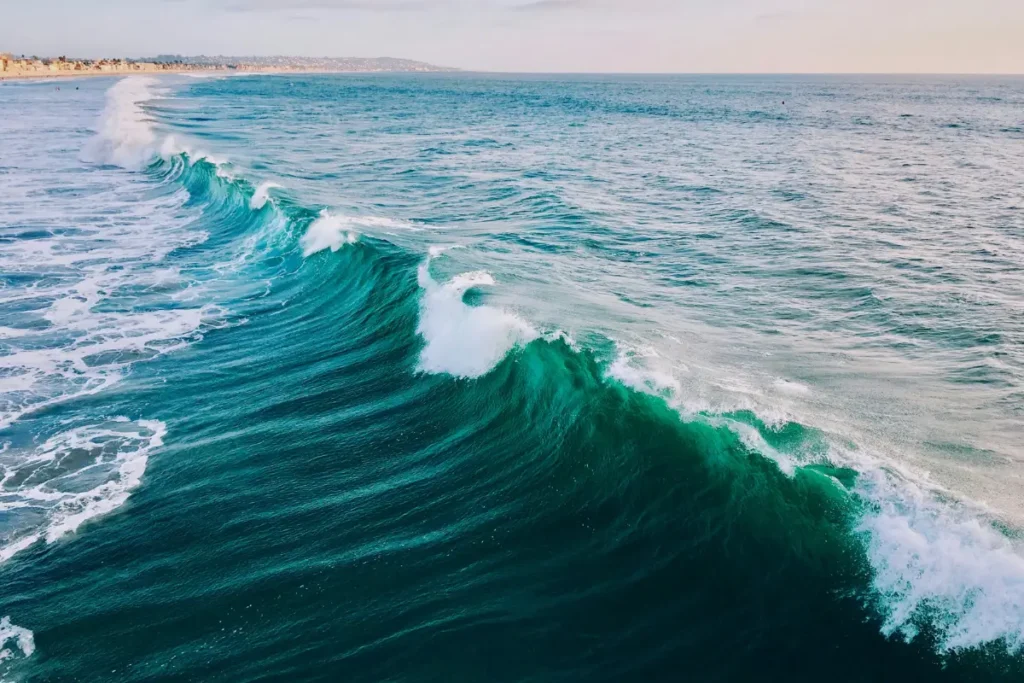
San Diego offers reliable beach breaks for surfers across many levels. Summer often brings manageable waves and pleasant weather, while winter swells can produce more powerful conditions. The area’s welcoming surf scene provides plenty of beaches, schools, and rental options, but check local crowds and currents before each session.
Honolulu, Hawaii, for iconic waves and year-round surf energy
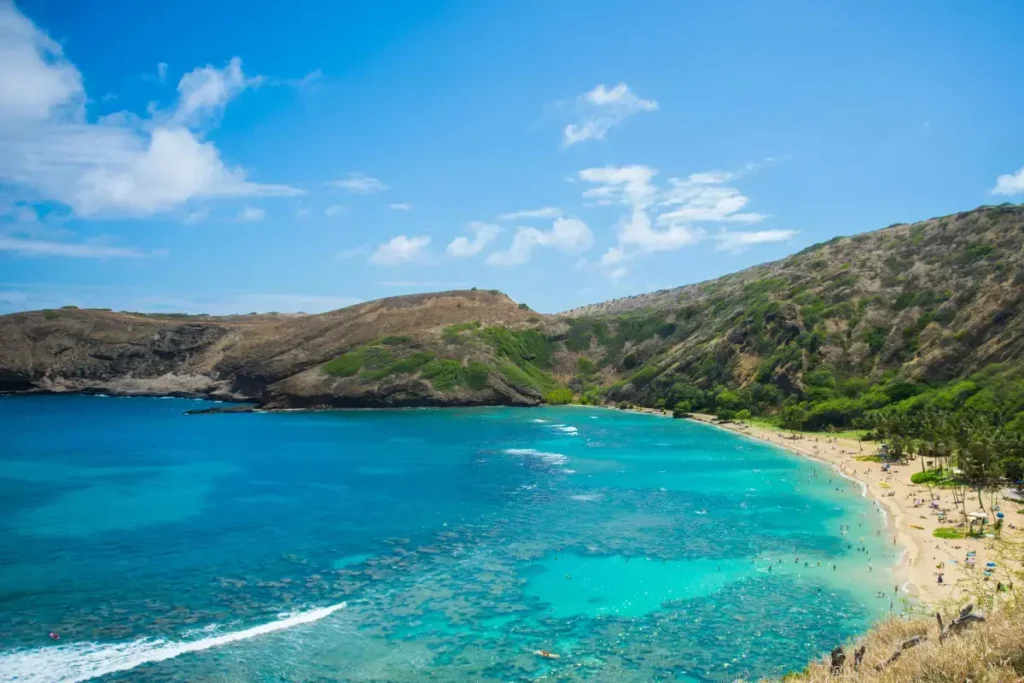
Honolulu is a flexible destination, but Waikiki Beach is the specific beginner-friendly spot. Its long, rolling wave gives new surfers time to stand, while warm ocean water supports comfortable lessons throughout the year. More advanced riders can explore other breaks around Oahu, but should seek local guidance before entering unfamiliar water.
Santa Cruz, California, for varied breaks and historic surf culture
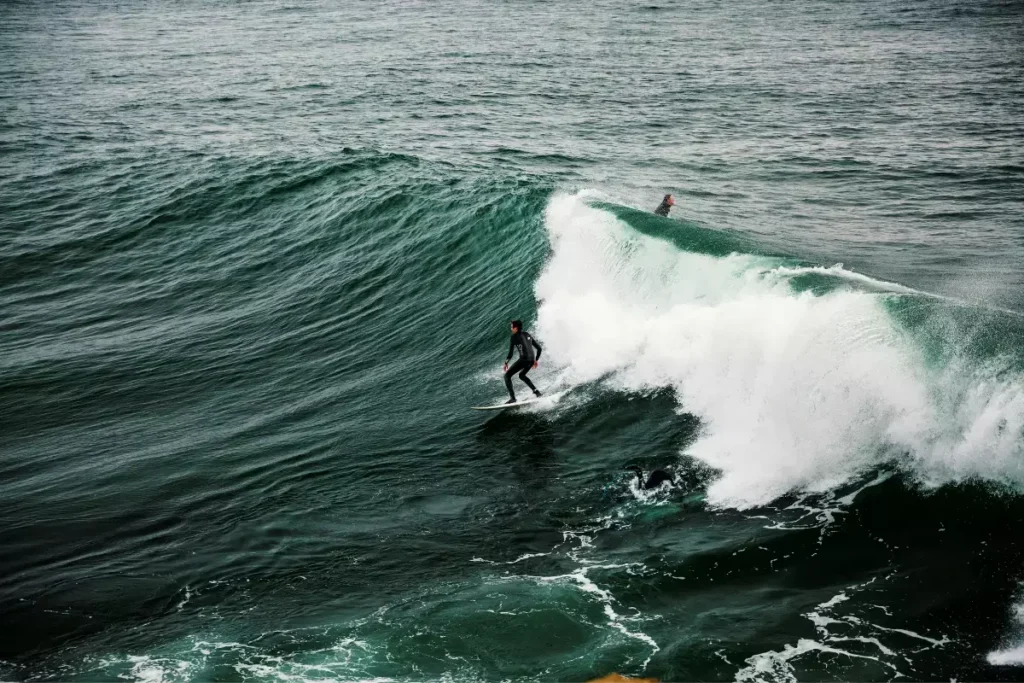
Santa Cruz suits surfers looking for reef breaks, point breaks, and a distinctive California vibe. Cooler water requires appropriate gear, and conditions can become demanding outside sheltered areas. The lineup rewards stronger skill levels, so study the break and respect local etiquette.
Nosara, Costa Rica, for warm water, mellow waves, and a relaxed atmosphere

Nosara offers warm water, mellow waves, and a slower pace for beginners and improving surfers. Its consistent conditions create useful practice time, although wind and crowds can change during the day. Choose a supervised lesson and check the beach before paddling out.
Top European Surf Spots for Culture, Scenery, and Variety
From Portugal’s rugged coast to France’s sandy shores, these European places combine varied breaks, local culture, and memorable travel experiences. Compare the waves, season, skill requirements, crowds, and transport before choosing a destination. A recommended photo for this section is a wide view of Europe’s surf coast.
Ericeira, Portugal, for a compact collection of breaks and a strong surf-town feel
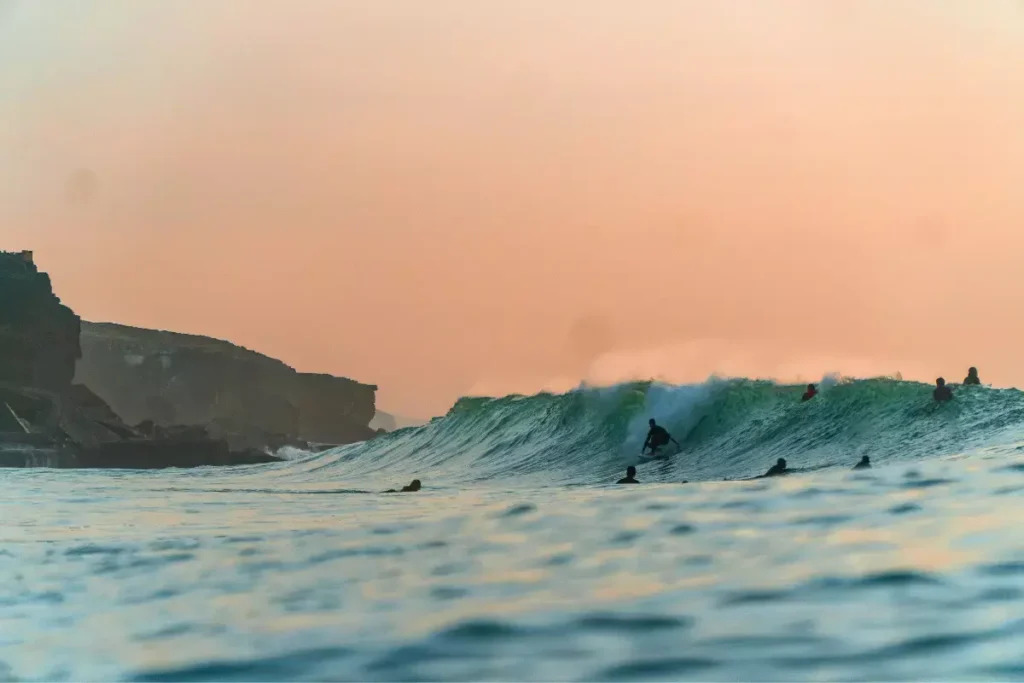
Ericeira is a World Surfing Reserve with several breaks along a compact coastline. Its reefs and point breaks suit intermediate and advanced surfers, while selected beaches can work for improving riders when conditions are manageable. Fall and winter often bring stronger waves, so check forecasts and local advice. The town’s surf culture, cafes, shops, and walkable streets create an appealing vibe beyond water time. Recommended photo: Ericeira’s cliffs, coastline, and surf-town center.
San Sebastián, Spain, for city comforts paired with accessible beach breaks
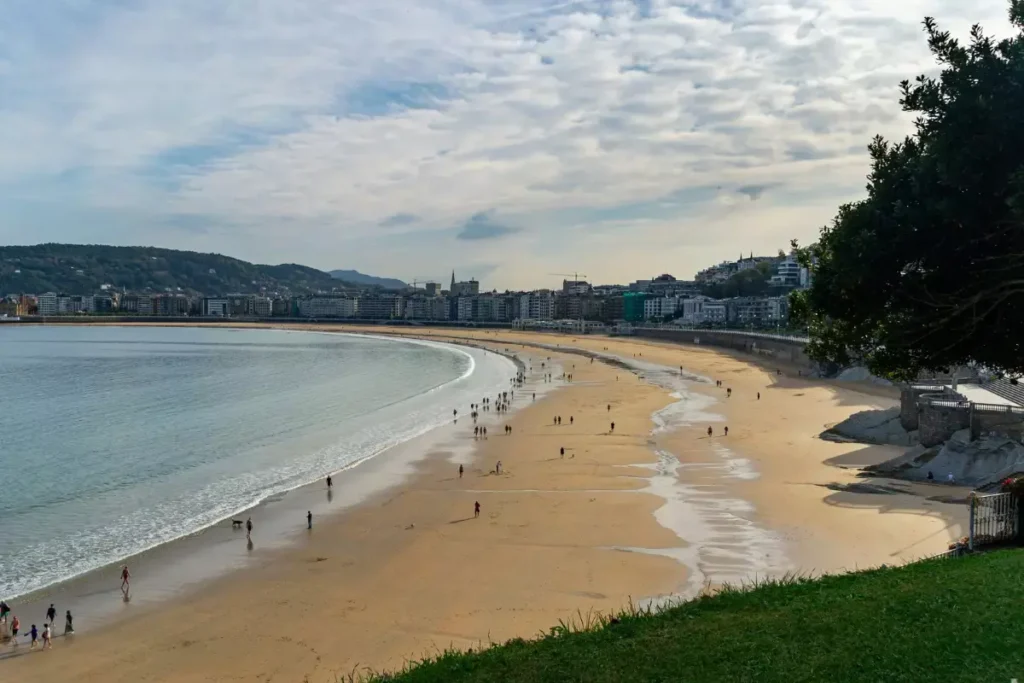
San Sebastián pairs city amenities and famous food with accessible beach breaks. La Zurriola is the main surf beach, although wave quality and crowds change with the season. It suits travelers who want a morning session followed by restaurants, museums, and coastal walks.
Hossegor, France, for hollow beach breaks and an influential European surf scene
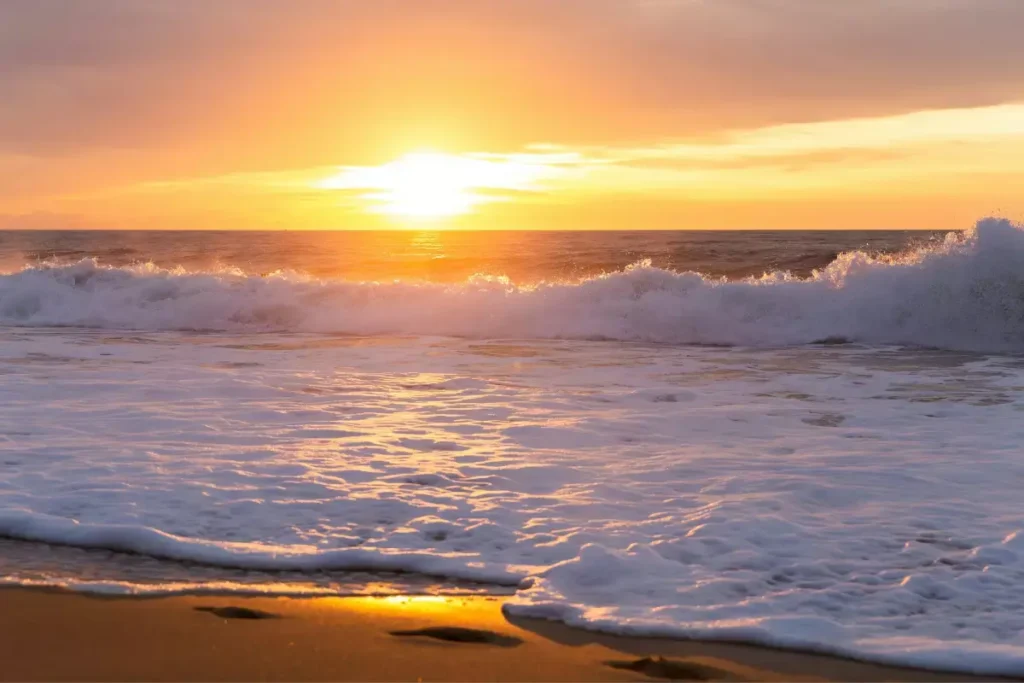
Hossegor is known for powerful, hollow beach breaks and a major European surf scene. Its waves can attract professional surfers, but strong currents and shifting sandbars make the area unsuitable for many beginners. Visit with appropriate skill, respect local guidance, and treat the break seriously. Recommended photo: Hossegor’s powerful beach wave and shoreline.
Famous Surf Spots Across Asia and the Pacific
From New Zealand’s rugged coast to Indonesia’s tropical reefs, these places offer different wave types, climates, and travel experiences. Compare the break, swells, season, crowds, and equipment before choosing one best destination. Recommended section photo: a wide Pacific coastline with surfers in the lineup.
Raglan, New Zealand, for long left-hand rides and a laid-back community
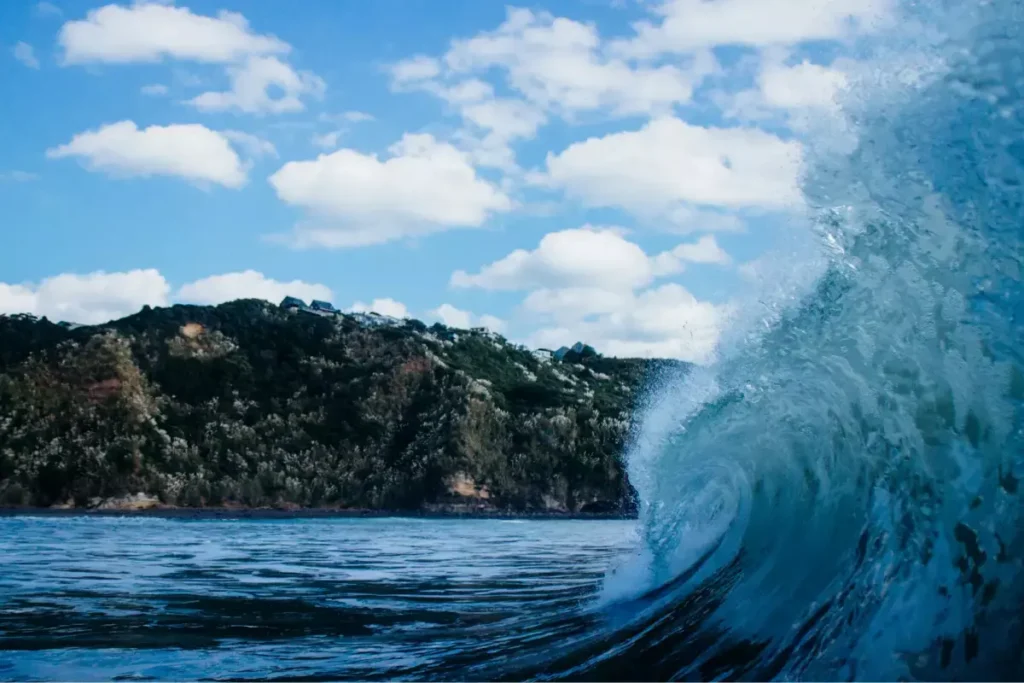
Raglan suits surfers who enjoy long, peeling left-hand point breaks. Its famous lefts can provide consistent rides, while the relaxed town and sustainability-minded culture make a longer stay appealing. Summer often brings milder conditions, but winter swells can add power. Intermediate surfers should check wind, tide, and local advice before paddling out. Recommended photo: Raglan’s main point break and surrounding coast.
The area offers a slower pace, local cafes, and plenty of space outside peak crowds. Bring suitable gear for cool water and changing weather. It is a strong option for experienced surfers seeking a memorable session rather than a crowded resort.
Byron Bay, Australia, for scenic points, beach breaks, and a broad range of surf conditions
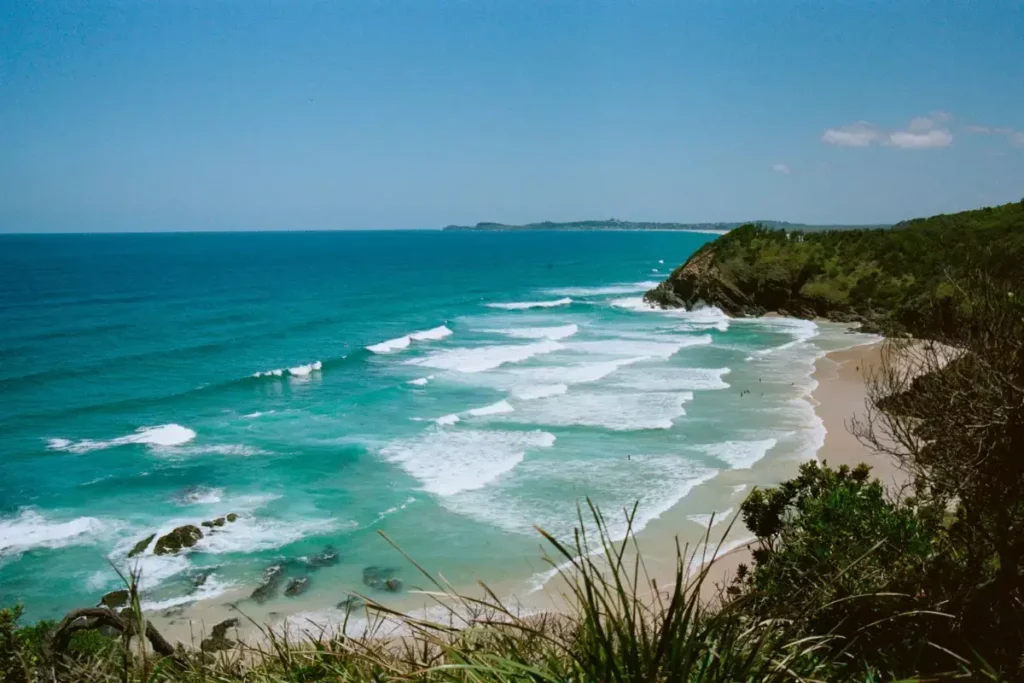
Byron Bay combines scenic headlands, sandy beaches, point breaks, and mellow peaks. The daily swell and wind determine whether the wave suits beginners or stronger surfers. Expect crowds at popular breaks, although several beaches can spread out the lineup. Recommended photo: Byron Bay’s coastline with a point break in the foreground.
Cloud Nine on Siargao, Philippines, for powerful reef waves and tropical surroundings
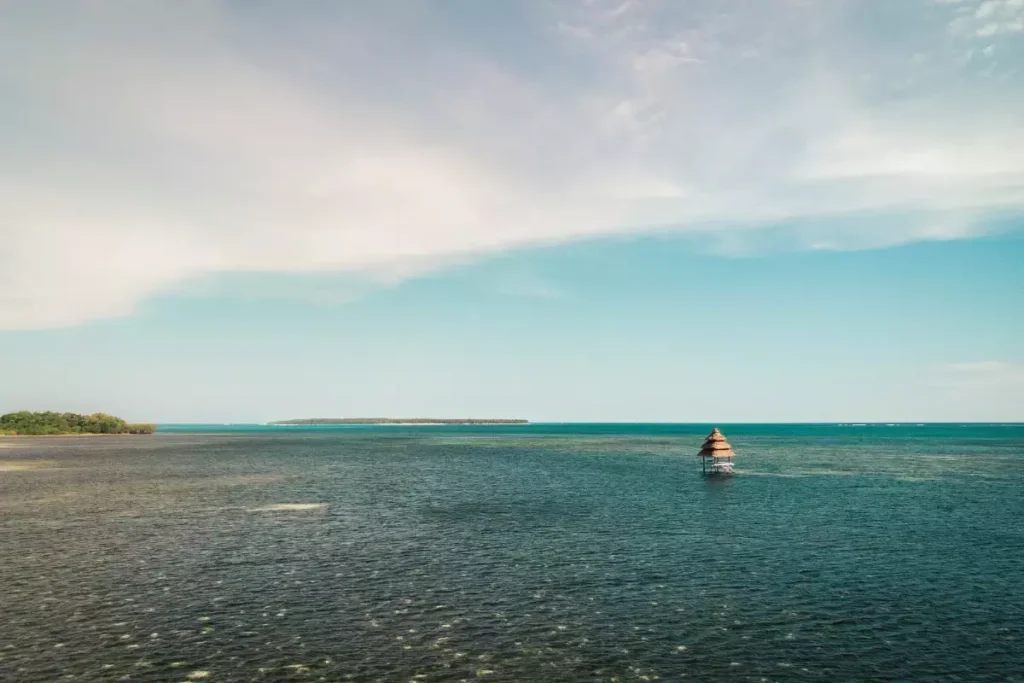
Cloud Nine delivers warm water and powerful, hollow reef waves for advanced surfers. The shallow reef, tide, and changing swells create serious hazards, so ask local surfers about conditions and do not rely on appearance alone. Recommended photo: Cloud Nine’s wave from a safe shoreline viewpoint.
Wear appropriate gear, check the tide, and avoid the break if your skill level is insufficient. The tropical setting is beautiful between sessions, but safety must come before surfing.
Nias, Indonesia, for smooth barrels and a less developed alternative to Bali
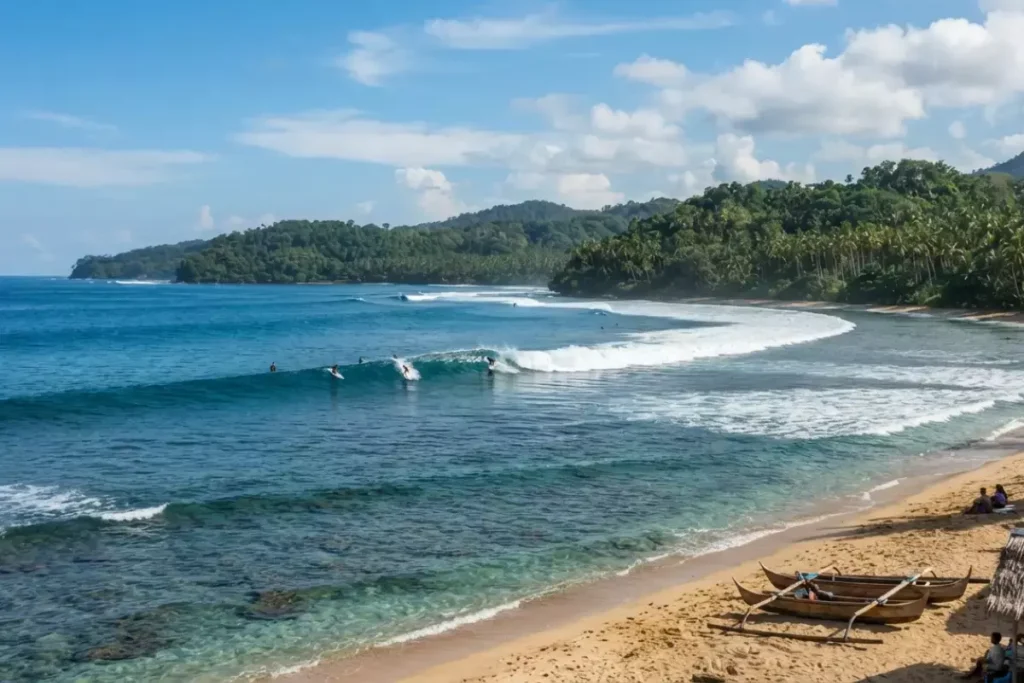
Nias is one of the best surf destinations for experienced surfers chasing smooth, powerful barrels. Its remote coastline and simpler infrastructure require advance planning, reliable transport, and suitable gear. Conditions can become dangerous quickly, so arrange local guidance and assess your ability honestly. Recommended photo: a clean Nias barrel with the island coastline behind it.
Best Surf Spots in the Americas Beyond California and Hawaii
South of the United States, Latin America offers warm water, varied waves, and a vibrant surf scene. These places range from beginner-friendly beaches to demanding breaks, so compare the season, crowds, access, and skill required before choosing a destination.
Puerto Escondido, Mexico, for heavy beach breaks and consistent Pacific swells
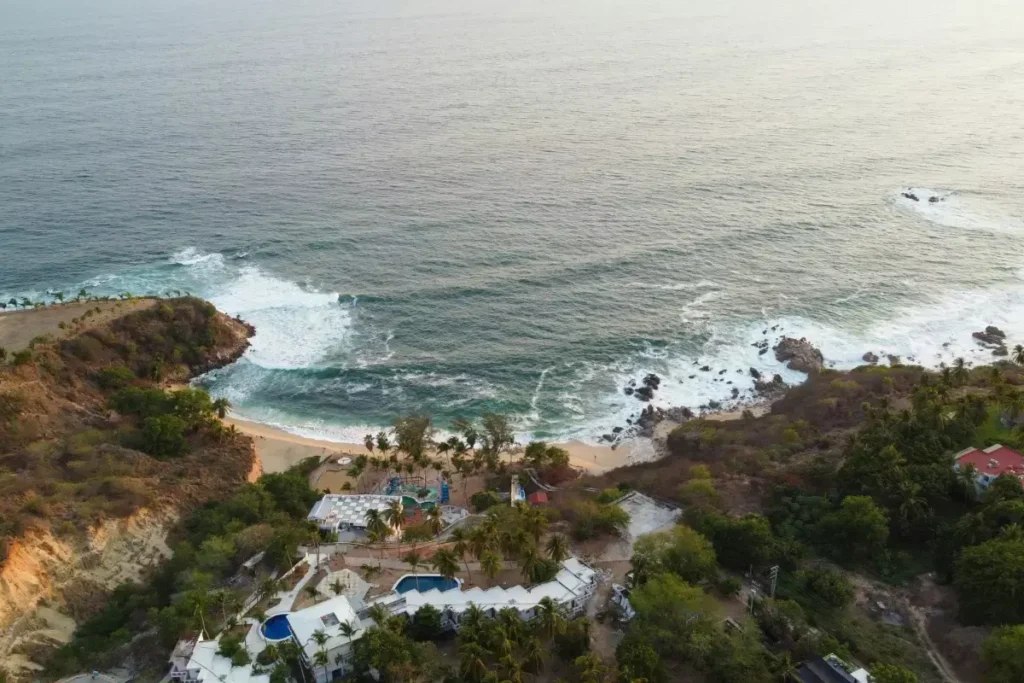
Puerto Escondido’s Zicatela Beach is known for powerful, hollow waves and strong Pacific swells, especially during the main summer season. This break is best for experienced surfers; shifting peaks and heavy shorebreak demand excellent skill, local knowledge, and careful conditions checks.
Sayulita, Mexico, for beginner-friendly waves, colorful streets, and easy surf access
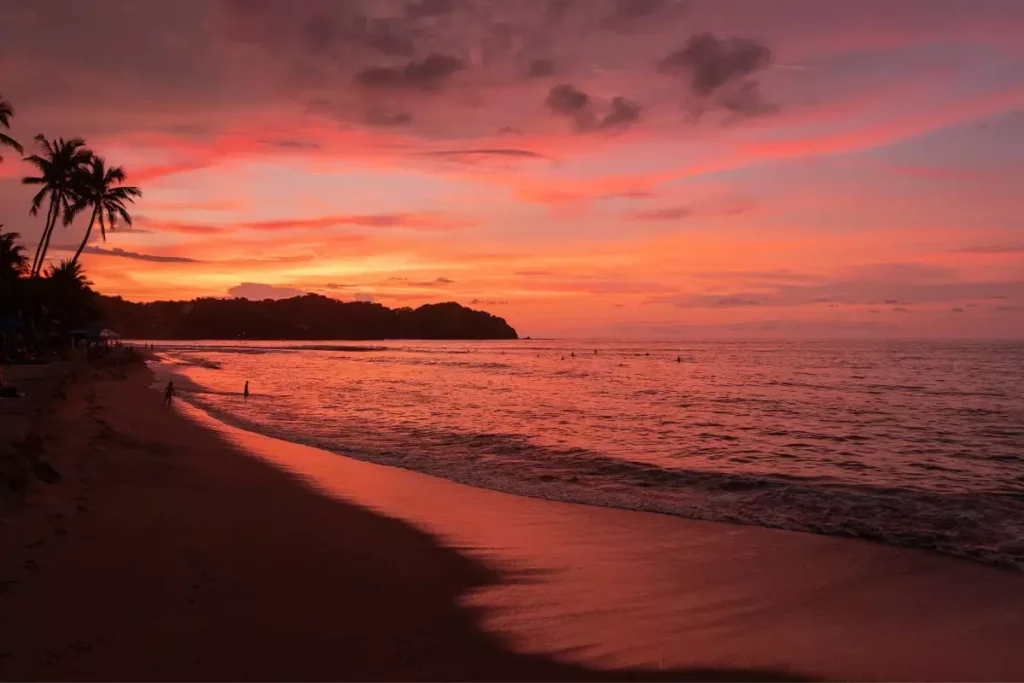
Sayulita offers forgiving waves for beginners and longboard surfers, plus a walkable town with a lively Mexican surf culture. It is widely documented rather than truly secret, but its easy beach access, schools, and relaxed atmosphere make it a practical learning area.
Playa Hermosa, Costa Rica, for powerful peaks near the country’s central Pacific coast
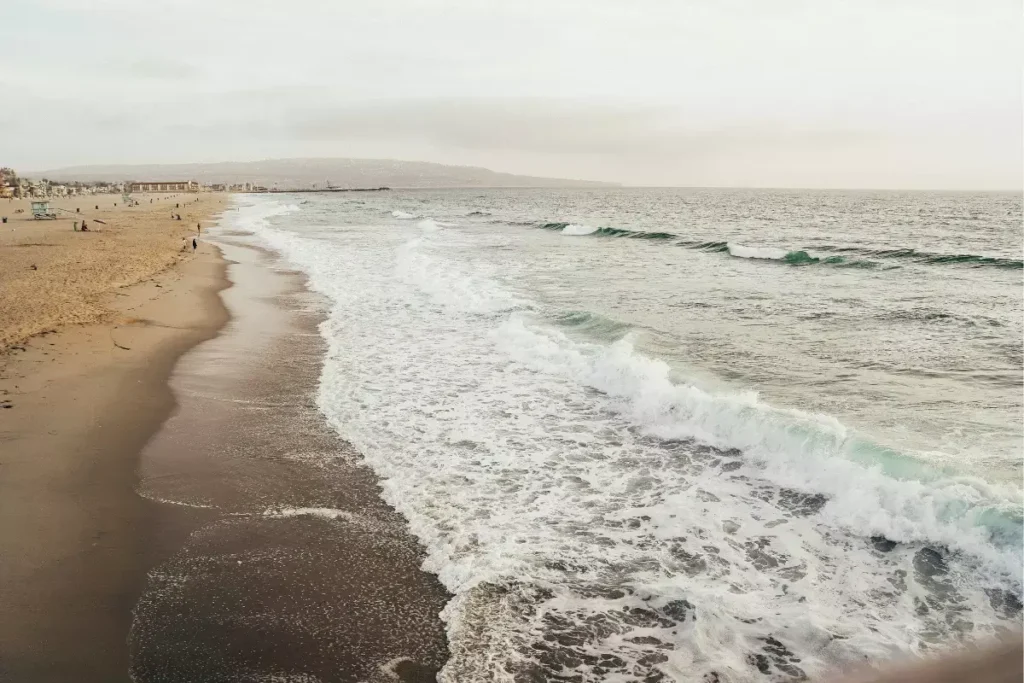
Playa Hermosa has powerful beach breaks for intermediate and advanced surfers. Conditions vary with swell and tide, while the rainy season can bring larger waves and stronger currents. Check local advice before entering the water.
Montañita, Ecuador, for warm water, lively nightlife, and dependable surf seasons
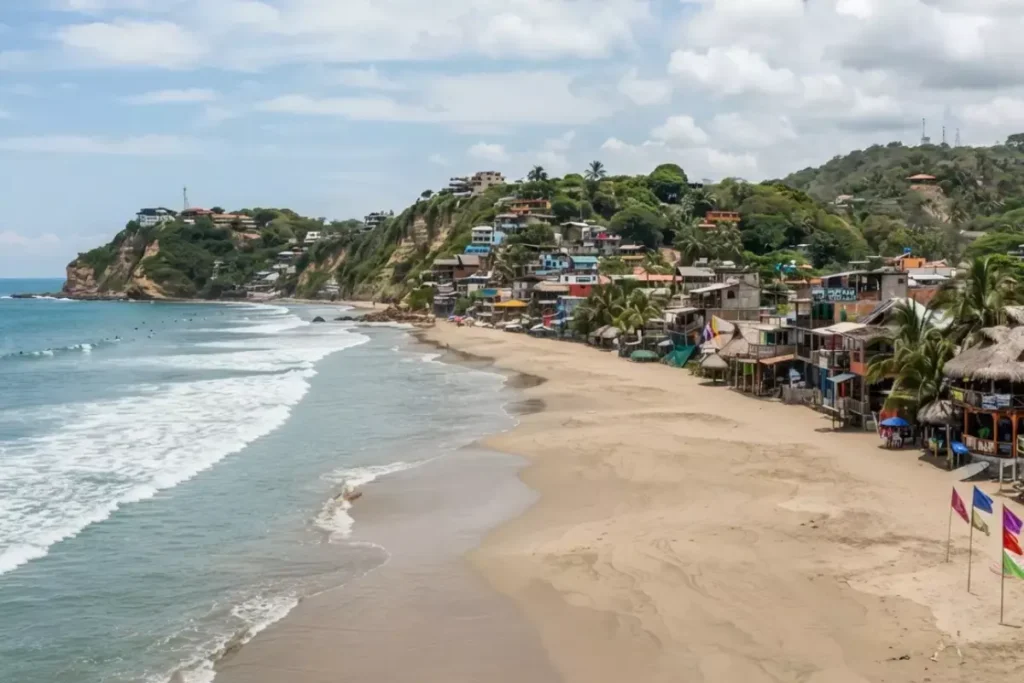
Montañita combines warm water, consistent waves, and a social surf scene. Its beaches can suit several levels, although crowds and nightlife may affect your experience. Plan each session around tides, weather, and local guidance.
Whether you want heavy barrels or mellow rides, these surf spots offer a practical way to explore the Americas.
Standout African Surf Spots for Adventure and Powerful Waves
Africa’s coast offers point breaks, remote beaches, and powerful waves shaped by seasonal swells. These surf destinations reward preparation, appropriate gear, and respect for local communities; conditions can change quickly.
Taghazout, Morocco, for point breaks, winter swells, and affordable surf travel
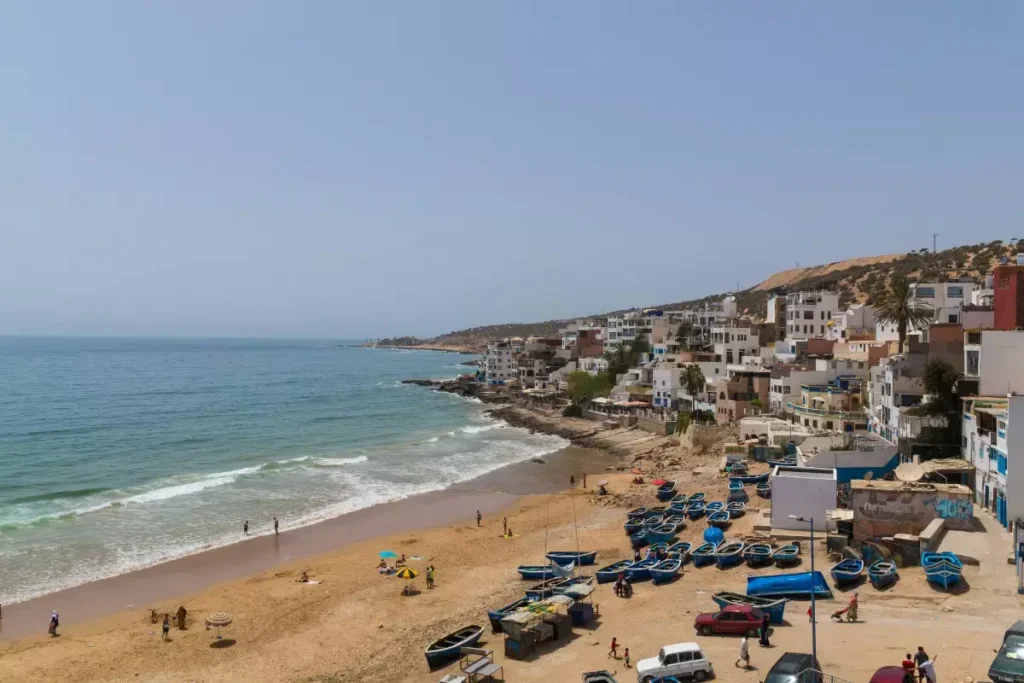
Taghazout is popular during winter, when Atlantic swells support long right-hand point breaks such as Anchor Point and Killer Point. Intermediate and advanced surfers can find quality waves, while the town adds culture and affordable amenities.
Dungeons near Cape Town, South Africa, for serious big-wave commitment
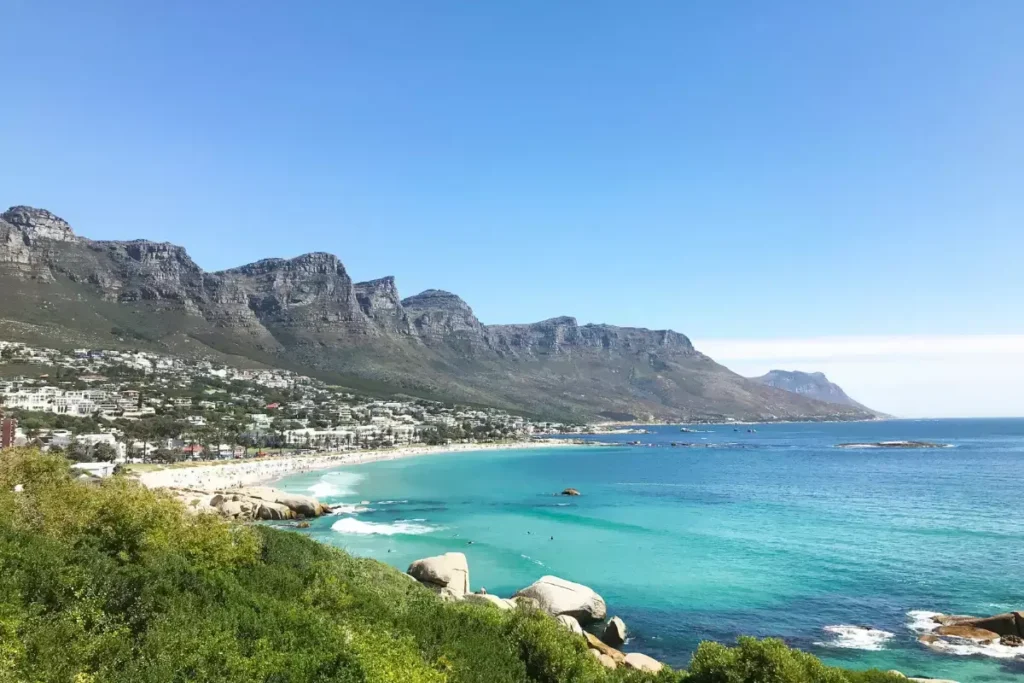
Dungeons is an extreme big-wave break for highly experienced surfers with specialized training, equipment, and local support. Cold water, powerful swells, and difficult access make it unsuitable for casual visitors or developing riders.
Ponta do Ouro, Mozambique, for uncrowded waves and a more remote coastal experience
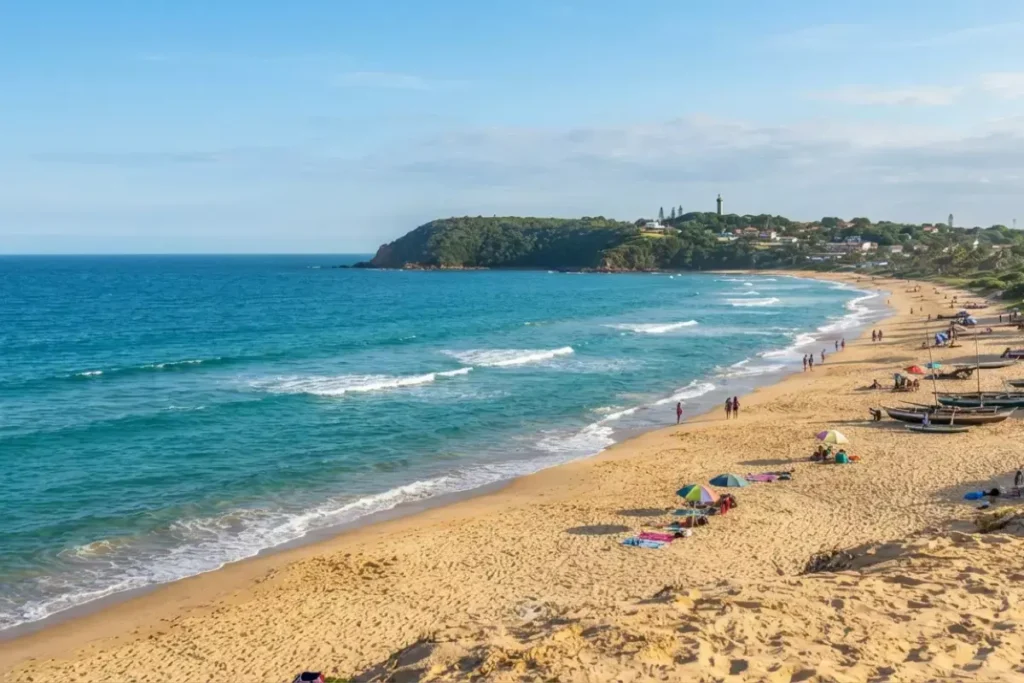
Ponta do Ouro offers a quieter, less-developed coastal area with fewer crowds and warm-water waves. Bring reliable gear, plan transport carefully, and seek local knowledge before surfing this remote destination.
Surf Spots for Beginners Who Want Progress Without Pressure
Building confidence takes gentle waves, consistent practice, and realistic goals. Beginners should start with manageable breaks rather than powerful barrels. The right beach, board, lesson, and instructor help develop technique without unnecessary stress.
Waikiki Beach, Honolulu, for forgiving waves and accessible surf lessons
Waikiki is a practical spot for beginners because its long, rolling waves give new surfers time to stand. A soft-top board, a qualified instructor, and awareness of other surfers make each session safer. Check the current water conditions and crowds before entering.
San Onofre, California, for mellow longboarding conditions and a friendly lineup
San Onofre offers a classic California vibe and mellow waves that suit beginners learning to longboard. Start with a lesson, practice surf etiquette, and avoid crowded areas until you can control your board and exit safely.
Nosara, Costa Rica, for warm water, soft waves, and consistent practice time
Nosara combines warm water with soft waves and plenty of practice time. Conditions can vary with the tide, season, and wind, so ask a local school about the best beginner area. A board rental and supervised session can help you progress comfortably year-round.
Sayulita, Mexico, for beginner surf schools and a walkable beach-town setting
Sayulita offers surf schools, rental shops, and a walkable town with restaurants and local culture. Beginners should choose a less crowded time, follow instructor guidance, and check the beach for swimmers and changing conditions.
Steady repetition builds skill. Choose conditions that match your current level, respect local rules, and work with qualified instructors. This approach is the best way to make surfing enjoyable and safe.
How to Choose the Right Surf Spot for Your Trip
Use this surf spots guide to compare destinations by budget, travel time, wave type, and comfort. A clear plan makes your time in the water more productive.
Match the destination to your skill level and preferred wave type
Choose gentle waves and forgiving breaks while learning. Consider your skill, preferred board, and ability to handle crowds before selecting a spot.
Compare water temperature, board requirements, swell seasons, and travel costs
Check water temperature, seasonal swells, wind, equipment needs, and travel costs. These details determine whether you need a wetsuit, board rental, or extra luggage.
Consider crowds, local customs, surf schools, and the quality of nearby amenities
Research local surfing customs, schools, medical access, shops, and rental options before booking. Reliable instruction can help you understand unfamiliar breaks.
Build a realistic itinerary around weather windows instead of chasing a single perfect forecast
Forecasts are not guarantees. Keep your itinerary flexible, allow time to move between breaks, and wait for a safe weather window instead of chasing one perfect wave.
Conclusion
Choose one best destination by matching your skill, budget, season, and safety needs. Beginner-friendly places such as Waikiki, San Onofre, Nosara, and Venice Beach offer different waves, crowds, and local atmosphere.
Before surfing, check the forecast, currents, reef hazards, and water temperature. Respect local communities, use suitable equipment, and never exceed your ability in the ocean. Venice Beach can suit a relaxed California session, but conditions still require care.
Ask lifeguards or experienced surfers for advice, surf with a partner, and leave the beach before conditions become dangerous. For a quieter vibe, consider Venice Beach outside peak crowds.