
14 Best Places to Visit in Spain
There’s a reason Spain keeps showing up on every traveler’s…
Table of Contents
There’s a reason Spain keeps showing up on every traveler’s list, and it isn’t just the jamón and the sangria. It’s a country that somehow manages to be everything at once: sun-scorched beach towns, snow-capped mountains, cities where flamenco spills out of bars at midnight, and villages so old they seem to have been carved out of the hillside by hand. I’ve spent years chasing tapas bars and back alleys across this country, and I still haven’t run out of places to fall in love with.
If you’re staring at a map wondering where to start, you’re in the right place. Below are the 14 best places to visit in Spain, organized the way I’d actually plan a trip by what kind of experience you’re chasing, not just alphabetically.
Best Places to Visit in Spain for First-Time Visitors
If this is your first trip to Spain, start here. These are the cities that give you the fullest, most iconic version of the country, the ones that end up on every postcard for good reason.
Madrid
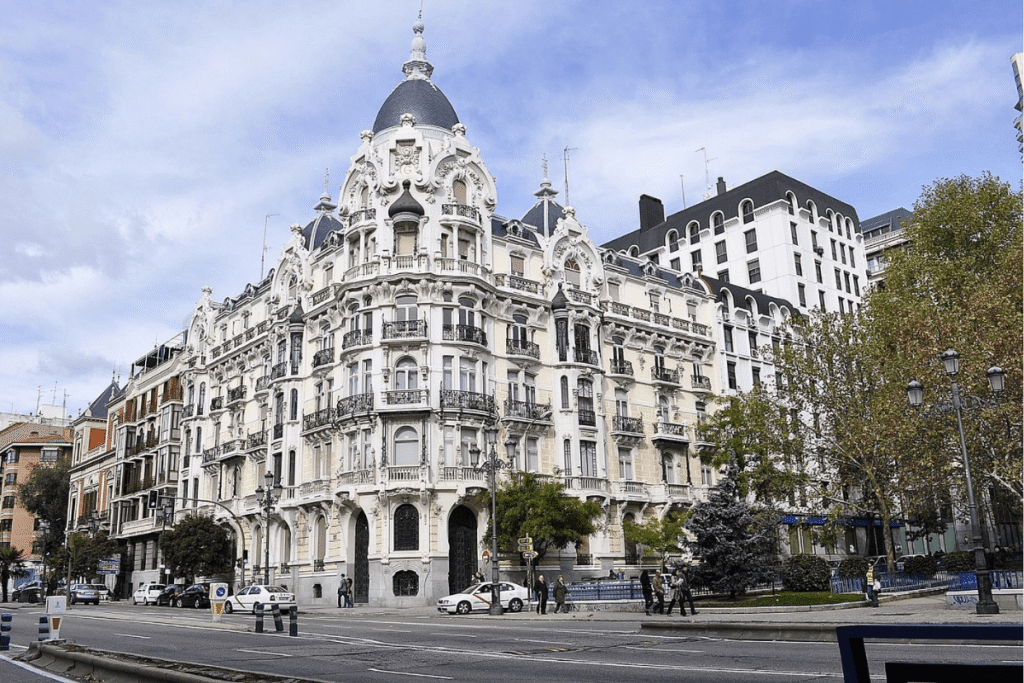
Madrid doesn’t try too hard to charm you, and that’s exactly what makes it so likeable. Spend your mornings wandering the Prado and Reina Sofía, two of the best art museums in the world, then spend your afternoons doing what madrileños do best: eating. Head to Mercado de San Miguel for a grazing lunch, wander the grand, sun-drenched Plaza Mayor, and don’t leave without a late-night stop in the Malasaña neighborhood. Madrid is Spain’s beating heart, unpretentious, and endlessly alive.
Barcelona
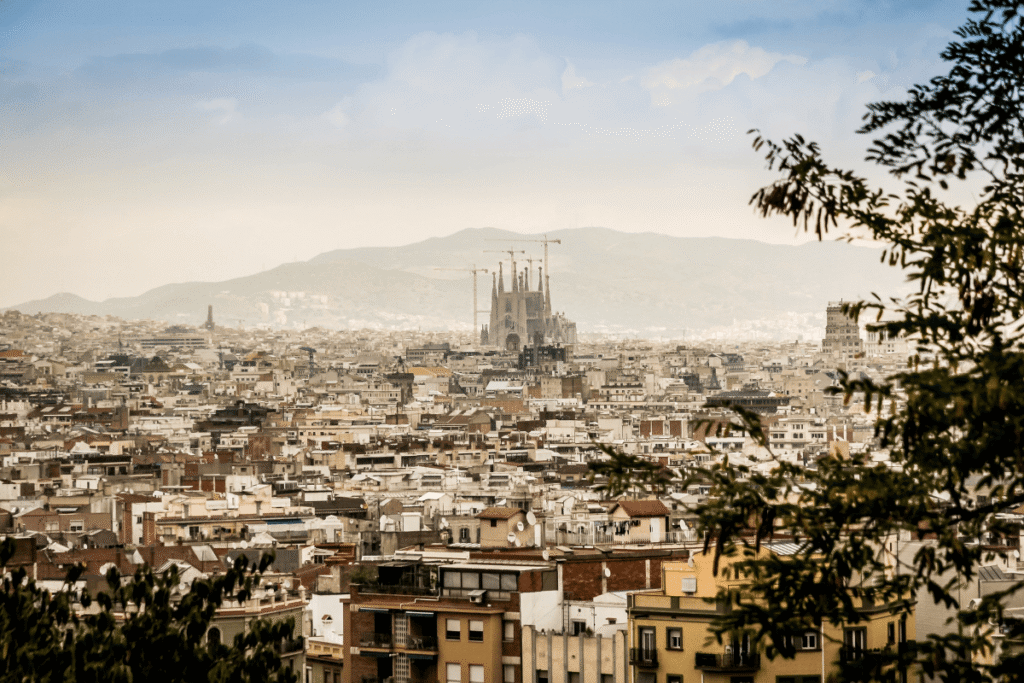
Barcelona is where Gaudí’s wildest architectural dreams came true, and walking the city still feels a little like wandering through a fairy tale gone surreal. La Sagrada Família alone is worth the trip, but stick around for Park Güell’s mosaic benches, the medieval maze of the Gothic Quarter, and a sunset stroll along the beach at Barceloneta. Add in some of the best food in Europe not just in Spain.
Best Places to Visit in Spain for History and Culture
Southern and central Spain hold centuries of layered history Roman ruins, Islamic palaces, and Gothic cathedrals often sitting just blocks apart. These are the places where that history feels most alive.
Seville
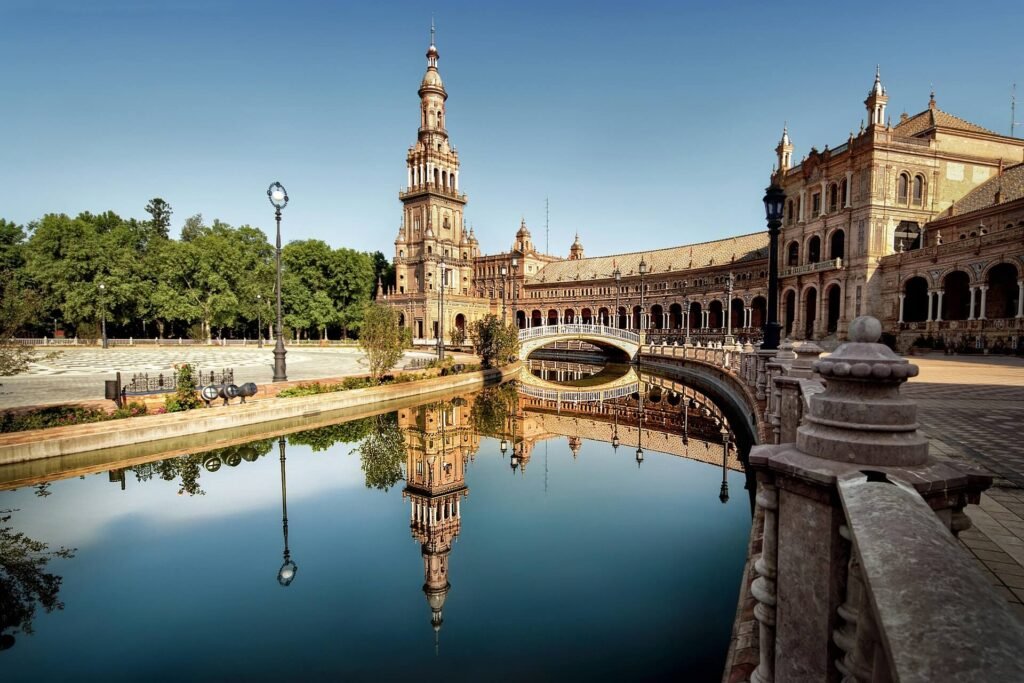
Seville is Spain in its most romantic form orange trees lining the streets, flamenco echoing out of tiny tablaos, and the Plaza de España looking like something out of a dream. Climb the Giralda tower for sweeping views over the city, get lost in the Real Alcázar’s Moorish gardens, and save your evening for a proper flamenco show in the Triana neighborhood, where the art form was born. Seville moves at its own unhurried pace, and after a day or two here, you will too.
Granada
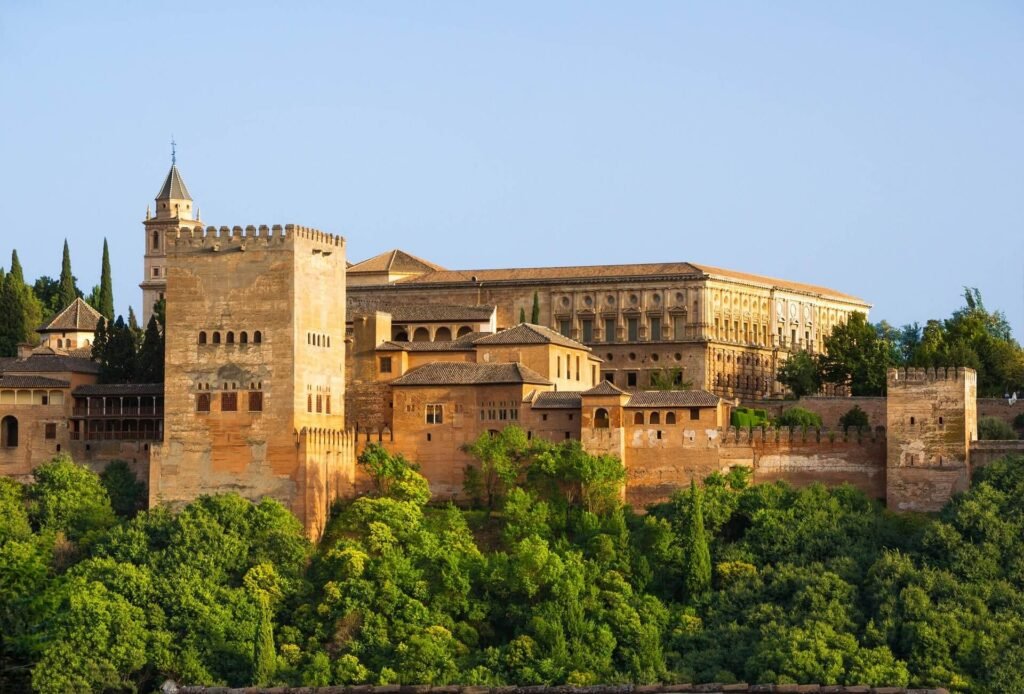
Granada exists almost entirely because of one building: the Alhambra, a Moorish palace so intricate and beautiful it’s hard to believe it’s real. Book tickets well in advance this is one of the most visited sites in Spain for a reason. Beyond the palace, wander the narrow, whitewashed streets of the Albaicín quarter and catch the sunset over the Alhambra from the Mirador de San Nicolás, where the whole city seems to pause to watch.
Córdoba
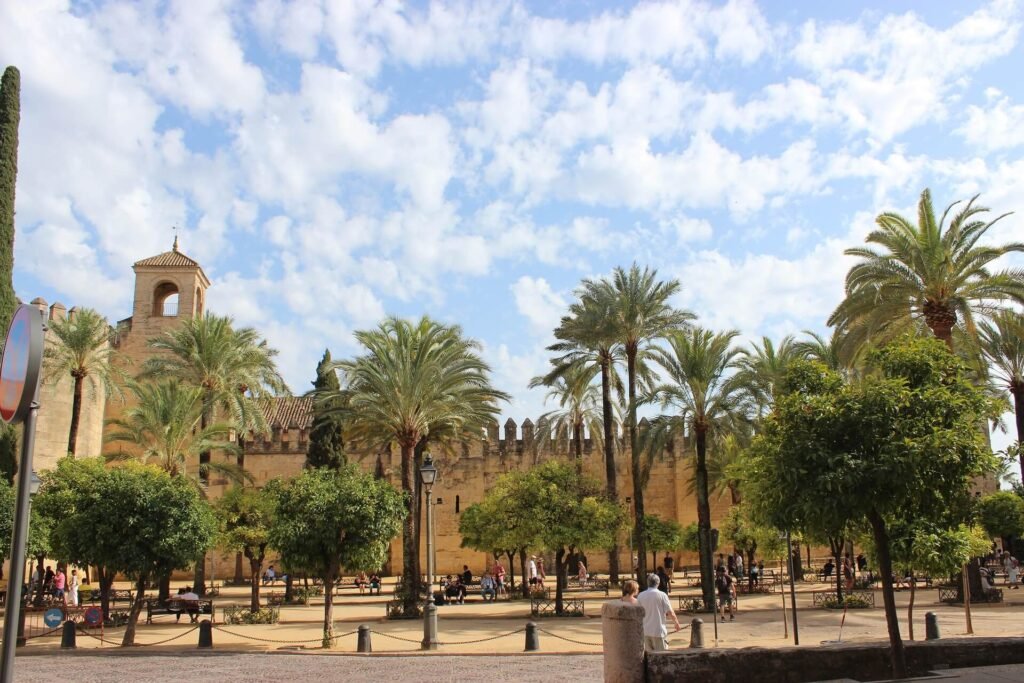
Córdoba’s Mezquita is one of the strangest, most beautiful buildings in the world a mosque with a cathedral built directly inside it, its forest of red-and-white striped arches unlike anything else in Spain. Outside the Mezquita, Córdoba’s is a labyrinth of flower-covered patios (visit in May during the Patios Festival if you can) and quiet, cobbled streets that feel untouched by time.
Toledo
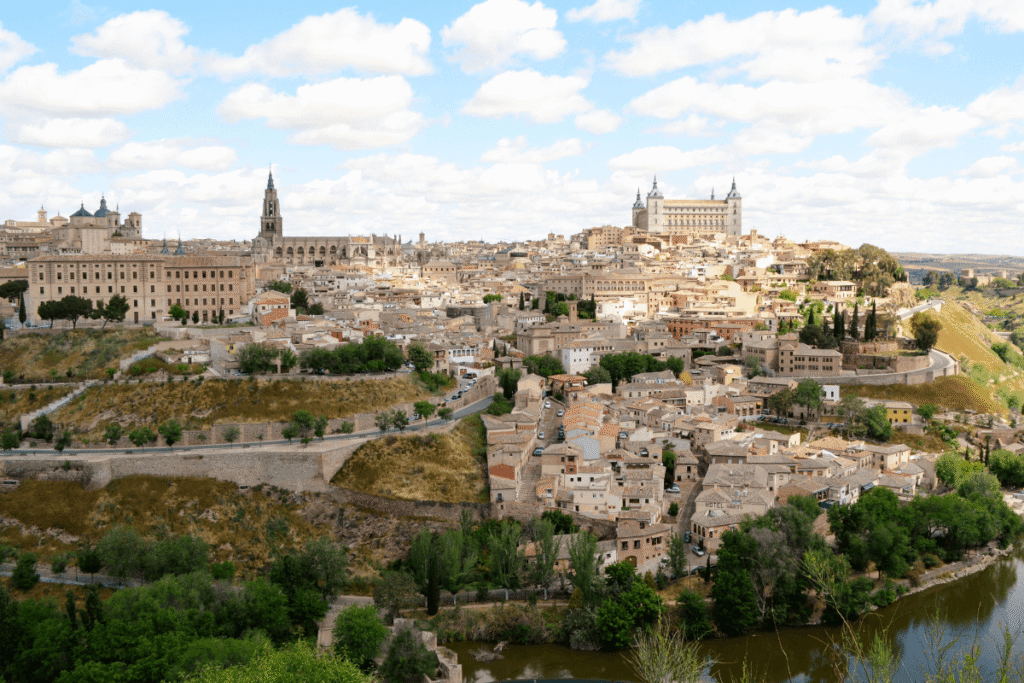
Just an hour from Madrid, Toledo is a city perched dramatically on a hill above the Tagus River, its skyline bristling with towers and spires. Known as the “City of Three Cultures,” Toledo’s streets still hold traces of the Christian, Muslim, and Jewish communities who once lived side by side here. It’s an easy day trip from Madrid, but honestly, an overnight stay lets you see the city glow gold at sunset once the tour buses have left.
Best Places to Visit in Spain for Beaches and Coastal Towns
When you’re ready to trade cathedrals for coastline, Spain’s beaches range from buzzing resort towns to quiet coves that feel like a secret.
Valencia
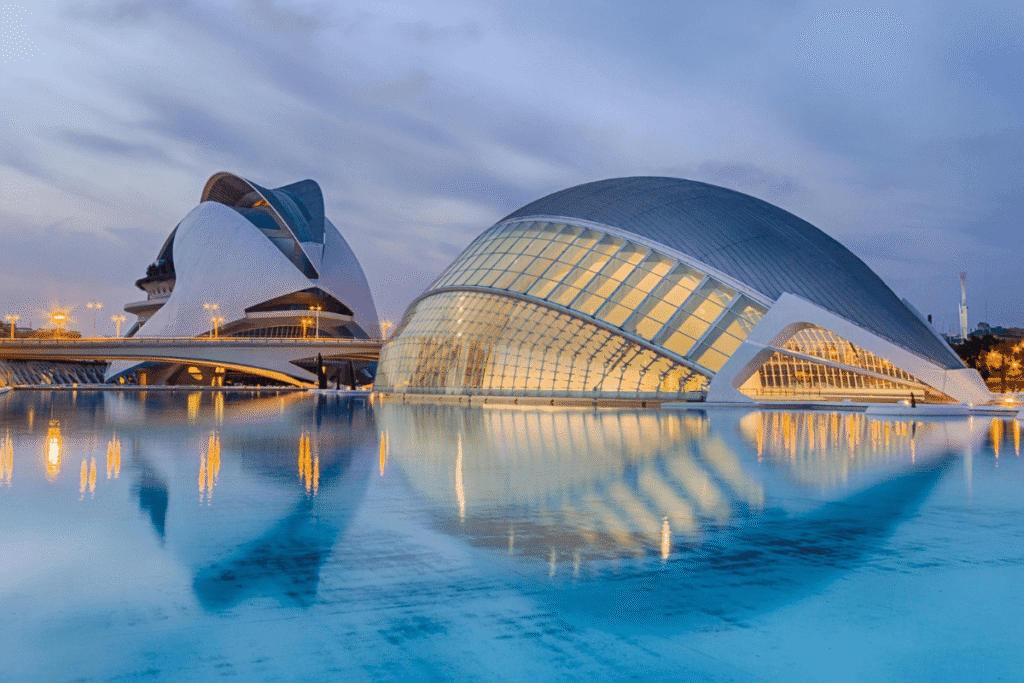
Valencia gets overlooked next to Barcelona, which is exactly why I love sending people there. This is the birthplace of paella (eat it here, not anywhere else, and thank me later), home to the futuristic City of Arts and Sciences, and blessed with one of the best urban parks in Europe, the Turia Gardens, built along a dried-up riverbed. Add in a wide, easygoing beach and prices well below Barcelona’s, and Valencia might just be Spain’s most underrated big city.
San Sebastián
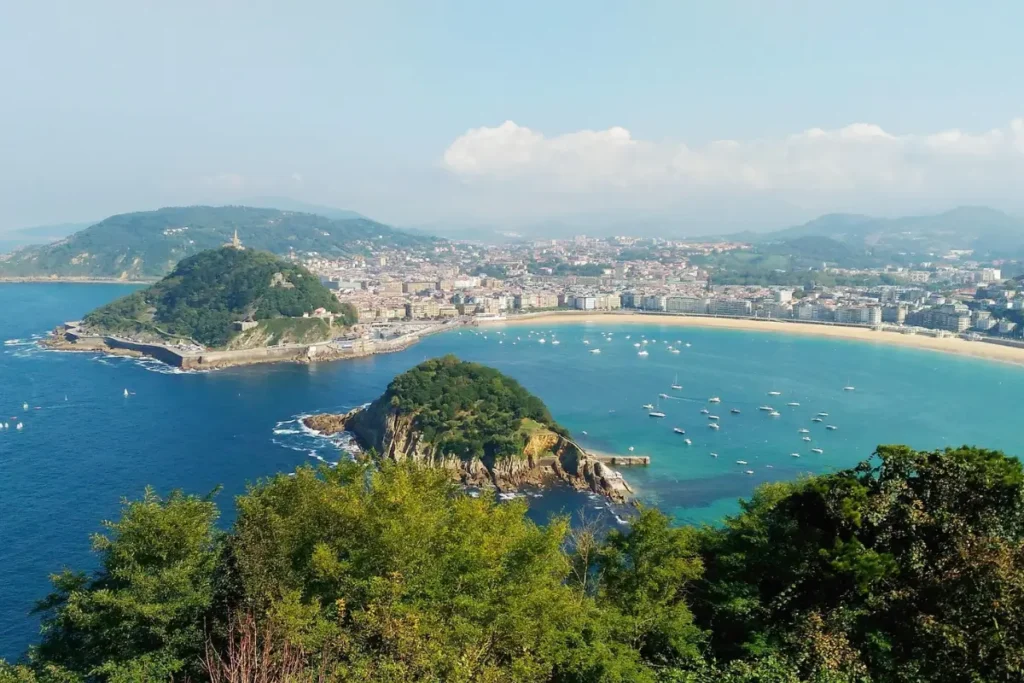
Up in Basque Country, San Sebastián is a small city with an outsized reputation largely because it may have the best food per capita of anywhere on Earth. The pintxos bars of the Parte Vieja (old town) are a pilgrimage for food lovers, and La Concha beach, curved like a shell between two hills, is consistently ranked among the most beautiful urban beaches in the world. Come hungry, and come ready to eat standing up at a bar counter with a glass of txakoli in hand.
Mallorca
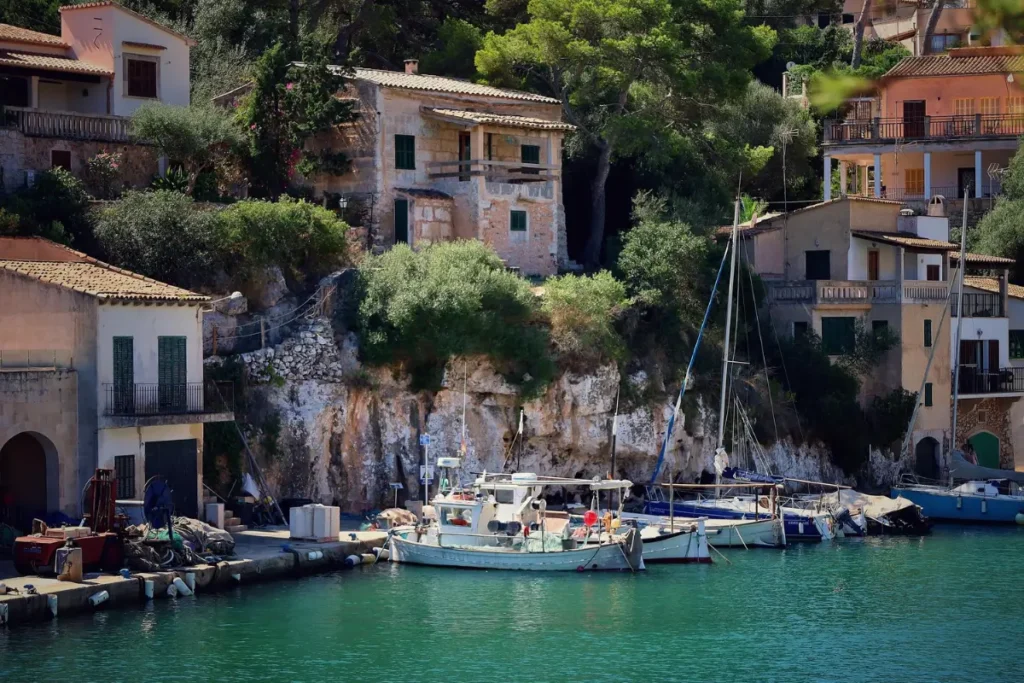
The largest of the Balearic Islands, Mallorca has a split personality: the party-town reputation of Palma’s nightlife on one side, and the quiet, pine-scented calas (coves) of the Tramuntana mountains on the other. Rent a car and drive the coastal road up to Deià and Sóller for some of the most jaw-dropping scenery in Spain, then reward yourself with a swim in water so clear it looks photoshopped.
Costa Brava
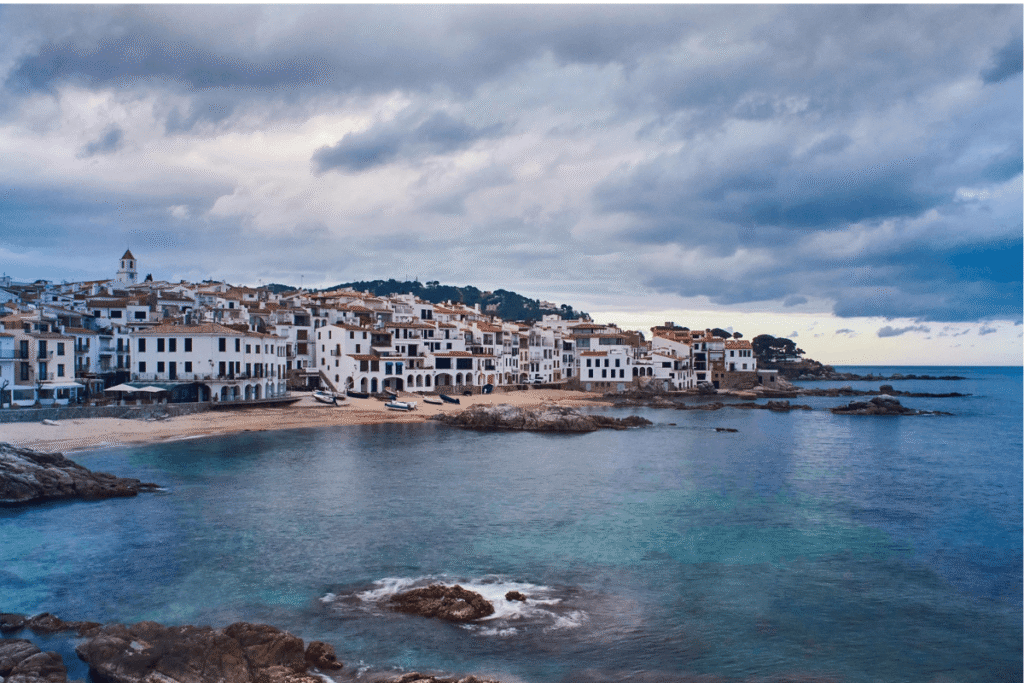
North of Barcelona, the Costa Brava (“Wild Coast”) lives up to its name a rugged stretch of cliffs, pine forests, and hidden coves that feels a world away from the resort strips further south. Base yourself in the medieval town of Girona or the artsy village of Cadaqués (once home to Salvador Dalí) and spend your days hopping between coves like Cala Pola and Aiguablava by boat, kayak, or coastal hiking trail.
More of the Best Places to Visit in Spain
Once you’ve hit the highlights, these lesser-visited spots reward the traveler willing to go a little further off the main route.
Salamanca
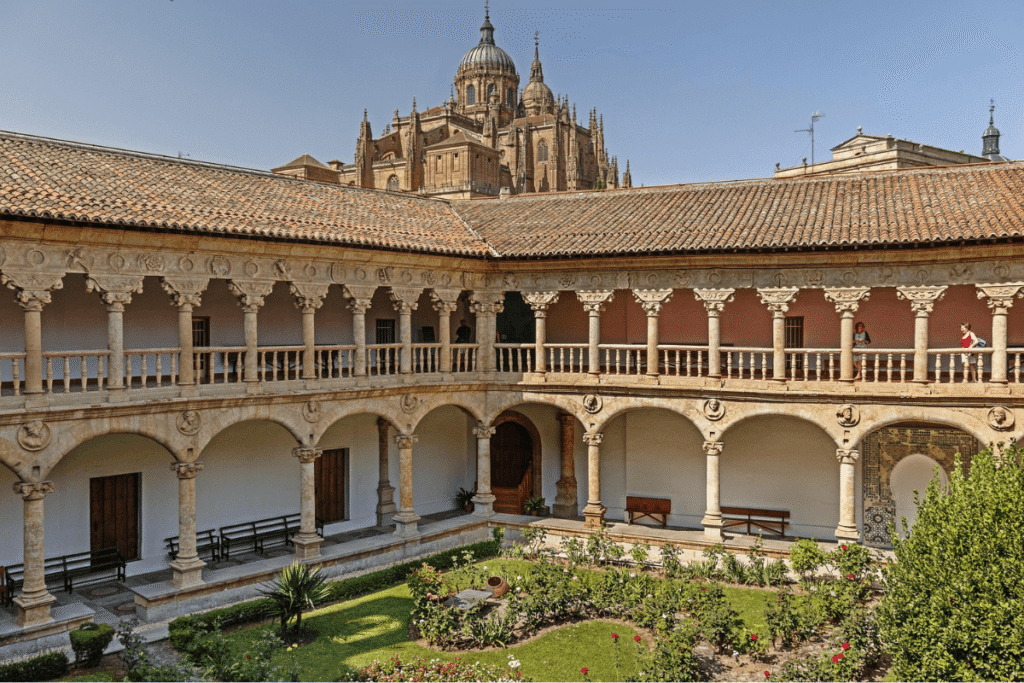
Home to one of the oldest universities in Europe, Salamanca is a golden-stone city that glows almost amber at sunset locals call it “La Dorada,” the golden one. Its Plaza Mayor is arguably the most beautiful in the country, and the buzzy, youthful energy from the student population makes it one of the liveliest small cities in Spain.
Santiago de Compostela
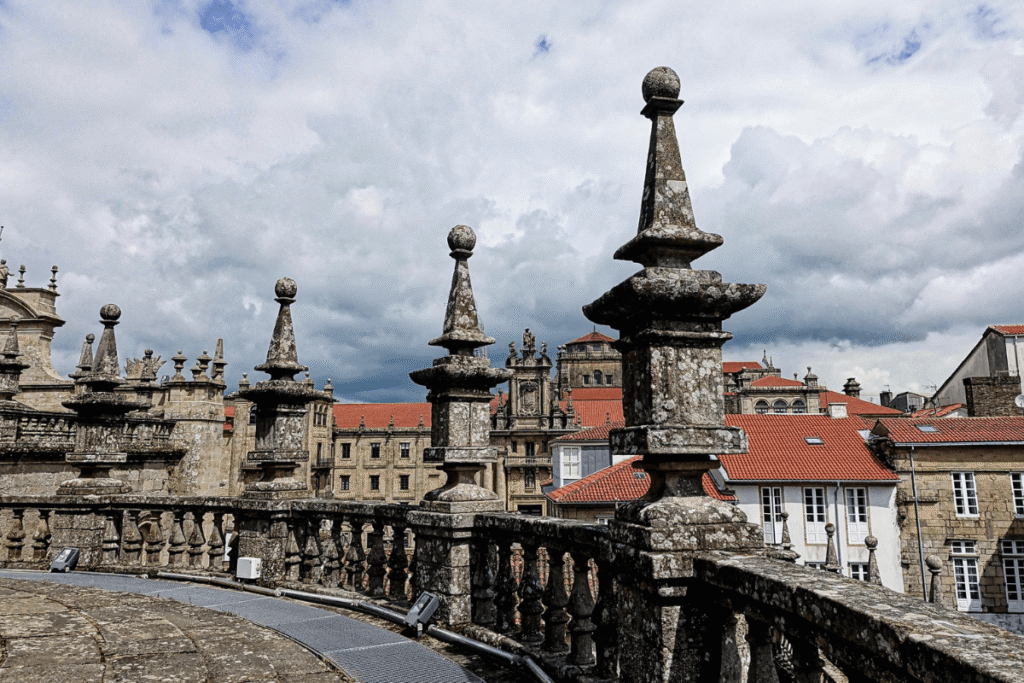
For over a thousand years, pilgrims have walked the Camino de Santiago to reach this city’s cathedral, and arriving in the old town even by car or train rather than on foot still carries some of that same sense of arrival. Galicia’s misty, green landscape and phenomenal seafood (order the pulpo a la gallega) make this a completely different side of Spain than the sun-baked south.
Cuenca
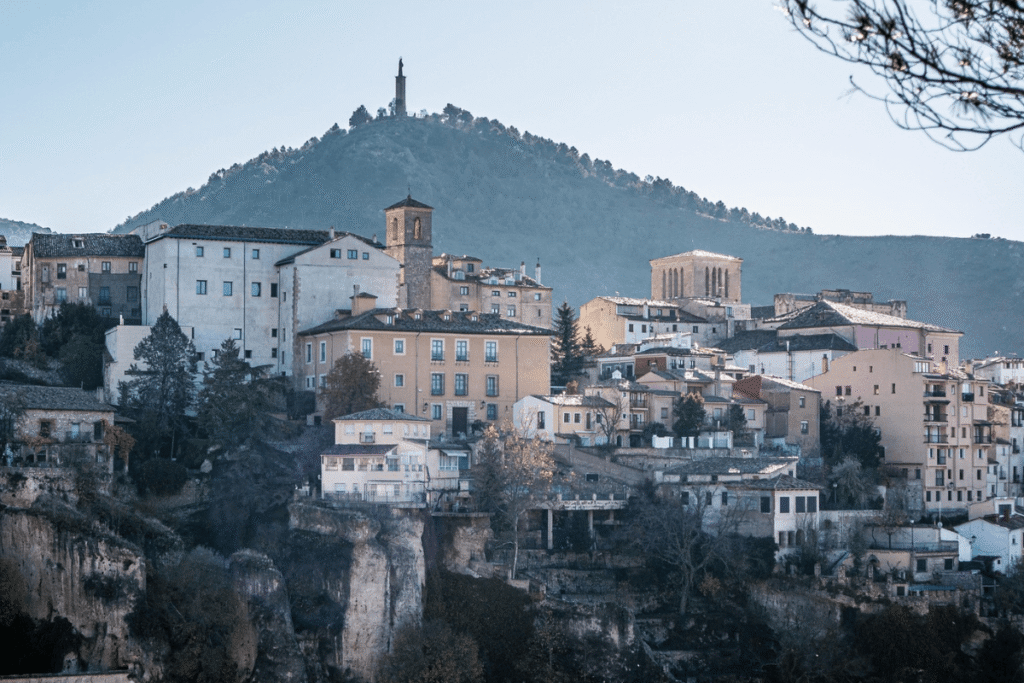
Cuenca’s claim to fame is its Casas Colgadas, “hanging houses” that appear to cling directly to the edge of a cliff above the Huécar River gorge. It’s one of the most surreal skylines in Spain and makes for a fantastic day trip or overnight from Madrid, especially if you want a quieter, more dramatic alternative to Toledo.
How to Choose the Best Places to Visit in Spain
With so many incredible places to visit in Spain, narrowing down an itinerary comes down to a few key questions:
- How much time do you have? A week is enough for one region (Andalusia, or Barcelona plus the Costa Brava); two weeks lets you combine a couple of regions comfortably.
- What experience are you chasing? History and architecture point you toward Andalusia and Castile (Seville, Granada, Toledo); beaches and food point you toward the coasts (San Sebastián, Valencia, the Balearics).
- How do you like to travel? Spain’s high-speed AVE trains make it easy to combine cities like Madrid, Seville, and Barcelona without a car, but coastal towns and smaller villages are far easier to reach with one.
Best Time to Visit Spain
The sweet spot is April to June or September to October, when temperatures are warm but not brutal and the summer crowds haven’t arrived (or have just left). Peak summer (July–August) means beach-town crowds and interior cities like Seville and Córdoba baking well into the high 90s°F (mid-30s°C). Winter is mild and a great time for city breaks in Madrid or Barcelona, though many coastal towns quiet down considerably outside the beach season
FAQ: Best Places to Visit in Spain
What is the number one place to visit in Spain? There’s no single right answer, but Barcelona and Madrid are the two most common starting points Barcelona for Gaudí’s architecture and beach access, Madrid for world-class museums and nightlife. If you only have time for one region, Andalusia (Seville, Granada, Córdoba) packs in the most history and culture per mile.
How many days do you need to see the best of Spain? A week is enough to explore one region well Andalusia, or Barcelona paired with the Costa Brava, for example. Two weeks lets you comfortably combine two regions, such as Madrid, Toledo, and Andalusia, or Barcelona, Valencia, and San Sebastián.
What is the best month to visit Spain? April, May, June, September, and October offer the best balance of warm weather and manageable crowds. July and August are peak season hot, crowded, and pricier, especially on the coast.
Is it better to rent a car in Spain? For cities connected by Spain’s high-speed AVE trains Madrid, Barcelona, Seville, Valencia,you don’t need a car. But for coastal regions like Mallorca or the Costa Brava, and smaller towns off the rail network, a car gives you far more flexibility.
What are the best places to visit in Spain for first-timers? Madrid and Barcelona are the classic starting points, but pairing one of them with Seville or Granada gives first-time visitors a fuller picture of the country and big-city energy alongside the history and architecture Spain is famous for.
What are some underrated places to visit in Spain? Valencia, Salamanca, Cuenca, and Santiago de Compostela rarely top “best of Spain” lists but consistently surprise visitors, fewer crowds, lower prices, and just as much character as the bigger-name cities.