
10 Attractions in Seychelles You Shouldn’t Miss
If you’ve ever found yourself staring at photos of clear…
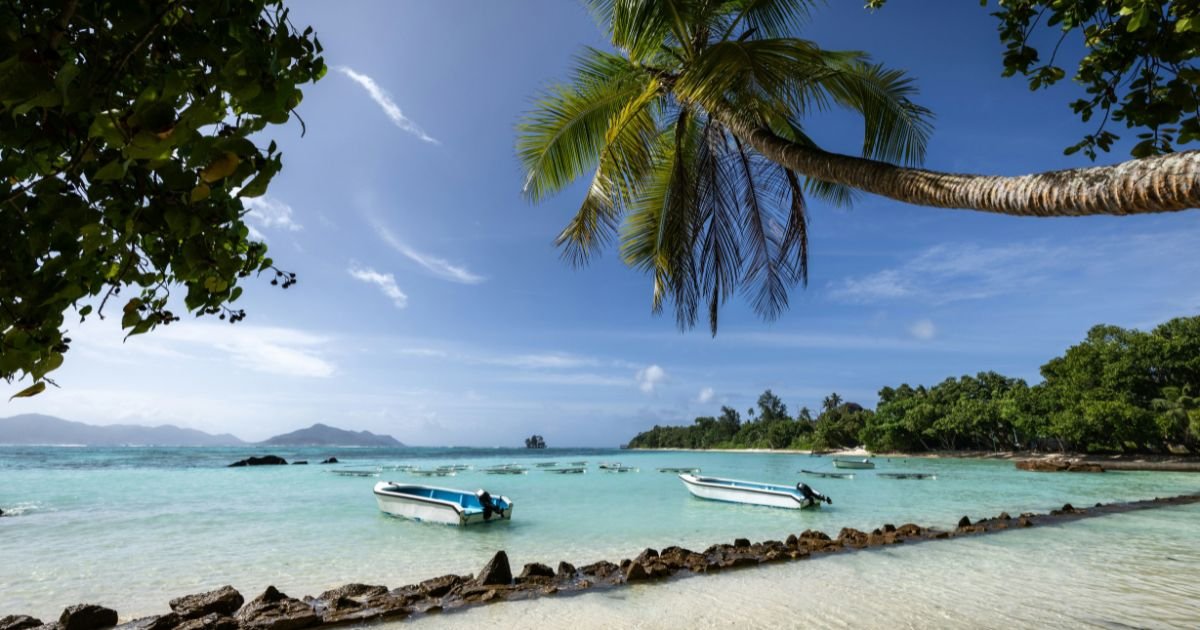
If you’ve ever found yourself staring at photos of clear turquoise waters and giant granite boulders dreaming of an escape, you’re not alone. The Seychelles is one of those places that feels almost too beautiful to be real, but actually living up to the hype is what makes it so special. Whether you’re planning your dream trip or just gathering ideas, here is a practical travel guide featuring the 10 attractions in Seychelles you won’t want to miss.
1. Anse Source d’Argent: One of the Most Beautiful 10 Attractions in Seychelles
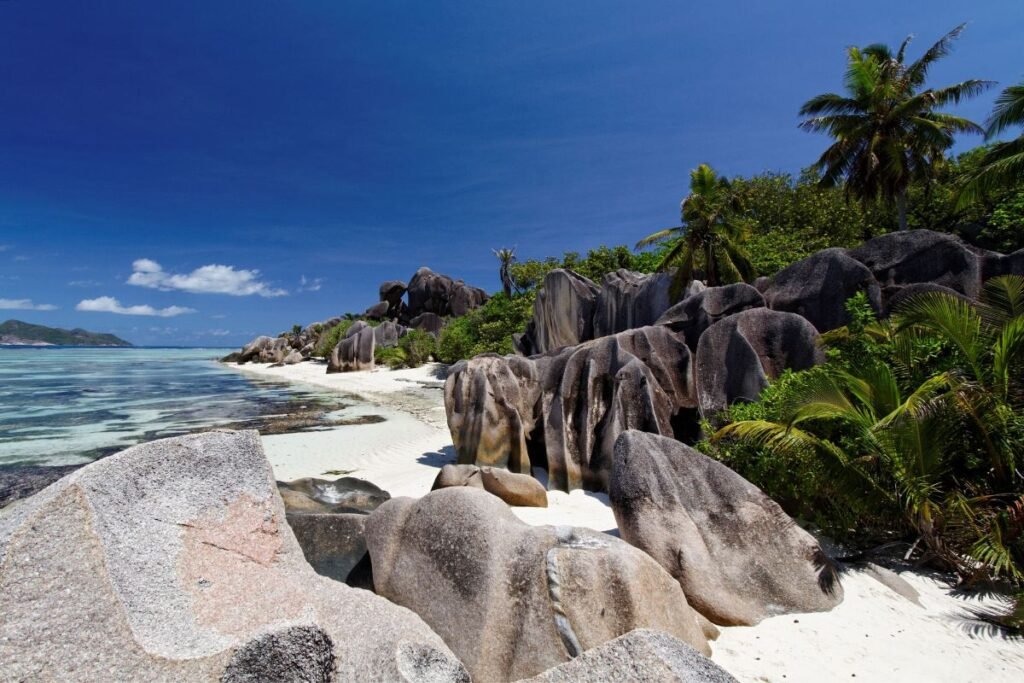
On La Digue, Anse Source d’Argent is often described as one of the most photographed beaches in the world, and it’s easy to see why. Enormous, sculpted granite boulders frame a shallow lagoon of pale, clear water, and the sand glows soft pink in the late afternoon light. It’s the kind of place that looks almost unreal.
You reach the beach by walking through L’Union Estate, a former coconut plantation that is now a small park. Along the way you can see a traditional copra mill, giant tortoises, and old colonial buildings, so the walk is part of the experience. There’s usually an entrance fee for the estate.
The water here is shallow and sheltered by a reef, which is great for wading and photographs, though it isn’t always ideal for swimming. Come early in the morning for fewer people and the softest light, and bring water, because there’s little shade and few facilities nearby.
Best for: Photography, couples, scenery.
Good to know: Seaweed can build up at certain times of year, and the shallow water is best at higher tide. Check conditions before you go.
2. Beau Vallon Beach: Enjoy Swimming and Water Sports
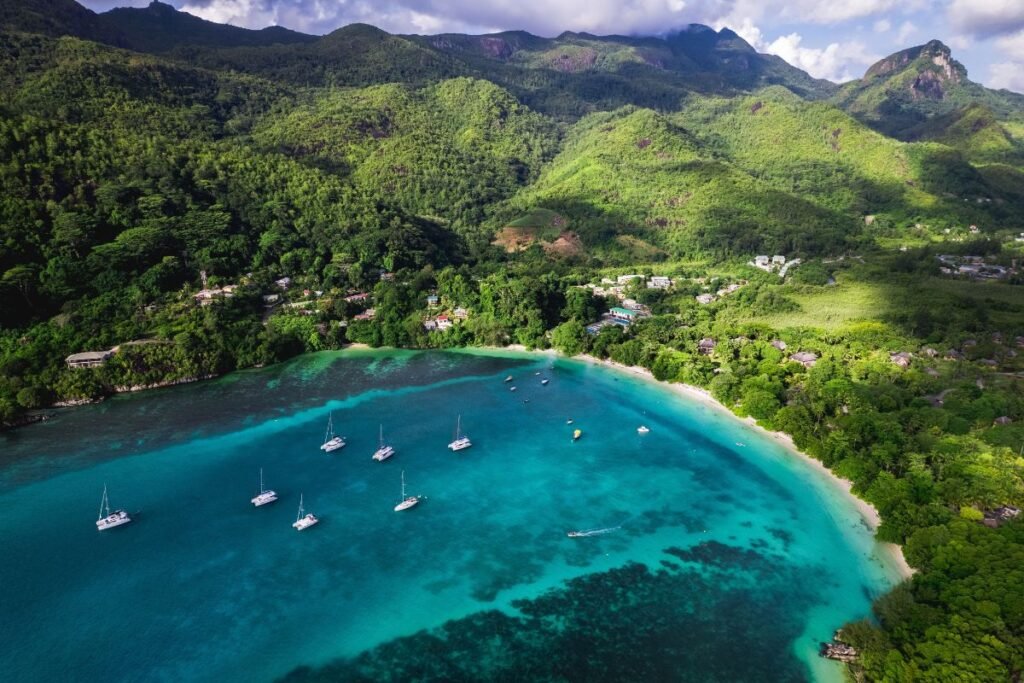
Beau Vallon, on the northwest coast of Mahé, is the Seychelles’ most popular beach for visitors who want activity as well as relaxation. It’s a long, curved stretch of golden sand with plenty of restaurants, beach bars, and hotels close by, which makes it a convenient base.
The calm bay is a good place to swim and try water sports, including snorkeling, paddleboarding, kayaking, and diving trips. Local operators run boat excursions and fishing trips from the beach, and the sunsets here are spectacular. Beau Vallon also has a lively evening atmosphere, with beachfront dining, and a regular weekly market with food stalls and local crafts.
Because it’s the most developed beach on this list, it’s also the easiest. You can step off the sand and find food, equipment rentals, and tours within a few minutes’ walk.
Best for: Families, water sports, first-time visitors, a lively base.
Good to know: Currents and waves can change with the season, so follow flag warnings and lifeguard advice where available.
3. Vallée de Mai: Explore a UNESCO World Heritage Site

On the island of Praslin, Vallée de Mai is a small but extraordinary forest that has been a UNESCO World Heritage Site since 1983. It’s often described as one of the closest things to a prehistoric landscape you can visit, and walking beneath the towering palms feels like stepping back in time.
The reserve is the home of the coco de mer, a palm that produces the largest seed in the world, which can weigh well over 15 kilograms. The seed is famous for its unusual shape, and the trees themselves can grow very tall. The forest is also home to the endangered Seychelles black parrot, which you might hear or spot among the palms with some patience. You’ll also find several other native palms and plants found nowhere else.
Well-maintained trails make the reserve easy to explore, and a guide can help you spot wildlife and understand the plants. Go early in the day for cooler weather and a better chance of seeing birds.
Best for: Nature lovers, bird watchers, families, anyone interested in unique plants.
Good to know: Wear comfortable shoes, bring insect repellent, and remember that the park charges an entrance fee that supports conservation.
4. Anse Lazio: Relax on a Stunning Tropical Beach
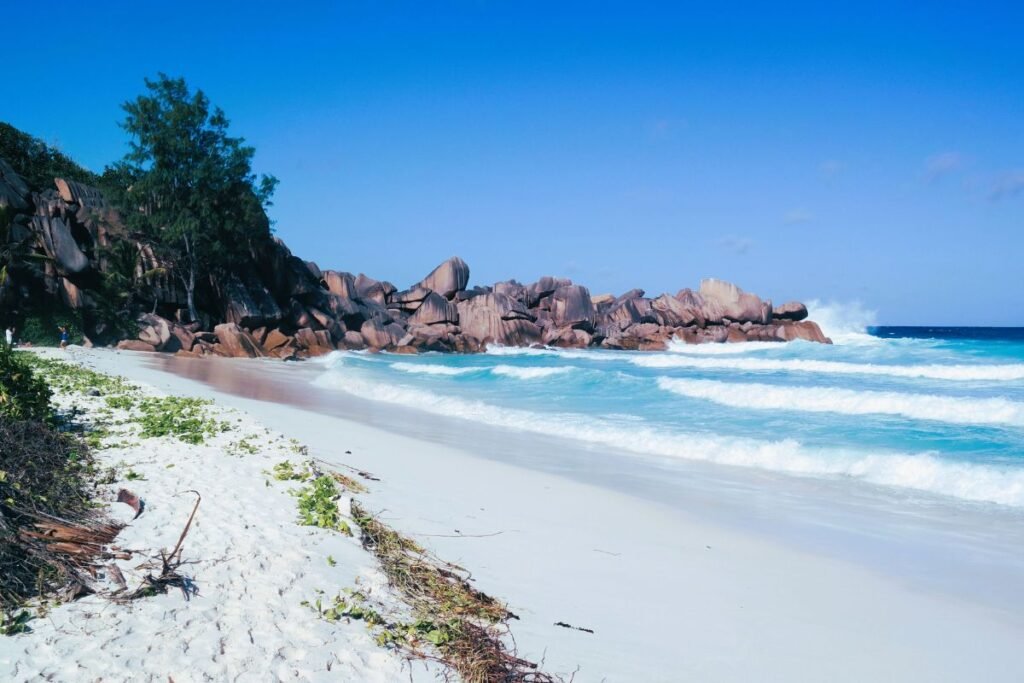
Anse Lazio, on the northwest coast of Praslin, regularly appears on lists of the world’s best beaches. A wide crescent of fine white sand curves around clear turquoise water, with huge granite boulders at either end and green hills behind.
The beach is ideal for a long day of swimming, sunbathing, and snorkeling around the rocks at the edges. A couple of beachside restaurants make it easy to stay for lunch, and shady trees along the back of the beach offer relief from the sun.
The waves can be strong at times, particularly during the southeast trade wind season, so check conditions before you swim and stay within your comfort level. Arrive early on busy days to find a good spot.
Best for: Swimming, relaxing, scenery, a full beach day.
Good to know: Facilities are limited, so bring sunscreen and water. Take care with currents, and avoid leaving valuables unattended on the sand.
5. Victoria: Discover the Capital’s Culture and Markets
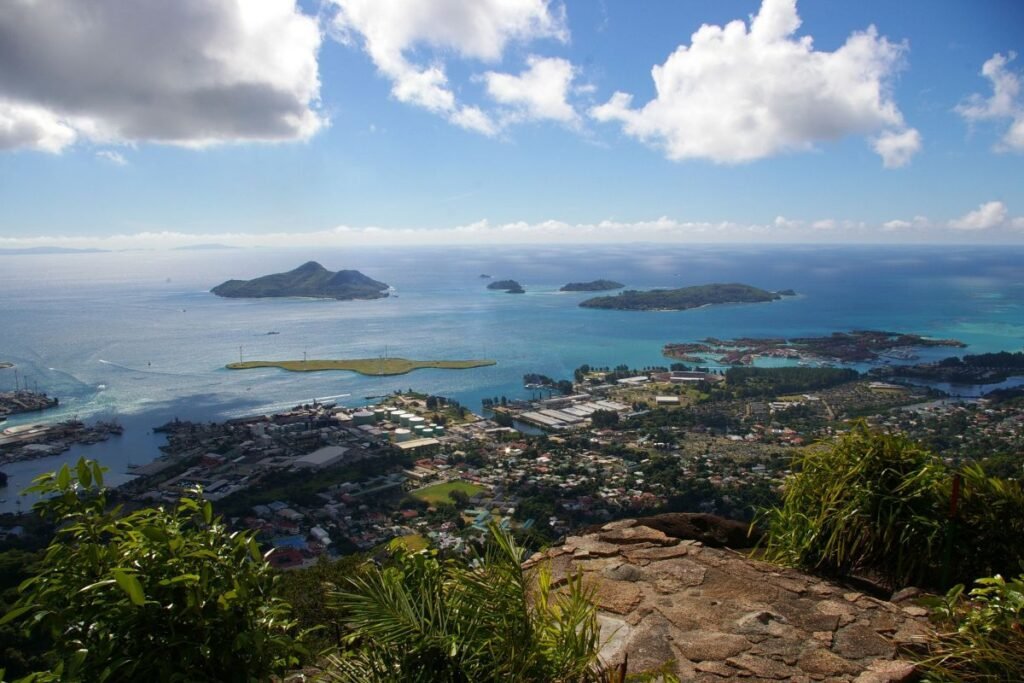
Victoria, on Mahé, is one of the world’s smallest capital cities, and it has a relaxed, friendly pace that’s very different from a typical big-city capital. It’s a good place to get a sense of everyday Seychellois life between beach days.
The heart of the city is the Sir Selwyn Selwyn-Clarke Market, a lively market where you can find fresh fish, spices, tropical fruit, and local crafts. It’s busiest on Saturday mornings and is a great place to taste local flavors. Nearby you can see the colorful Hindu temple, the Clock Tower, and the National Museum of History, and you can visit the Botanical Gardens, which are home to giant tortoises, coco de mer palms, and many tropical plants.
A few hours is usually enough for a walking tour, and it’s a good rainy-day option.
Best for: Culture, local food, souvenirs, a break from the beach.
Good to know: Visit in the morning, when it’s cooler and the market is at its best. Shops and offices may close early or on Sundays.
6. Morne Seychellois National Park: Enjoy Hiking and Mountain Views
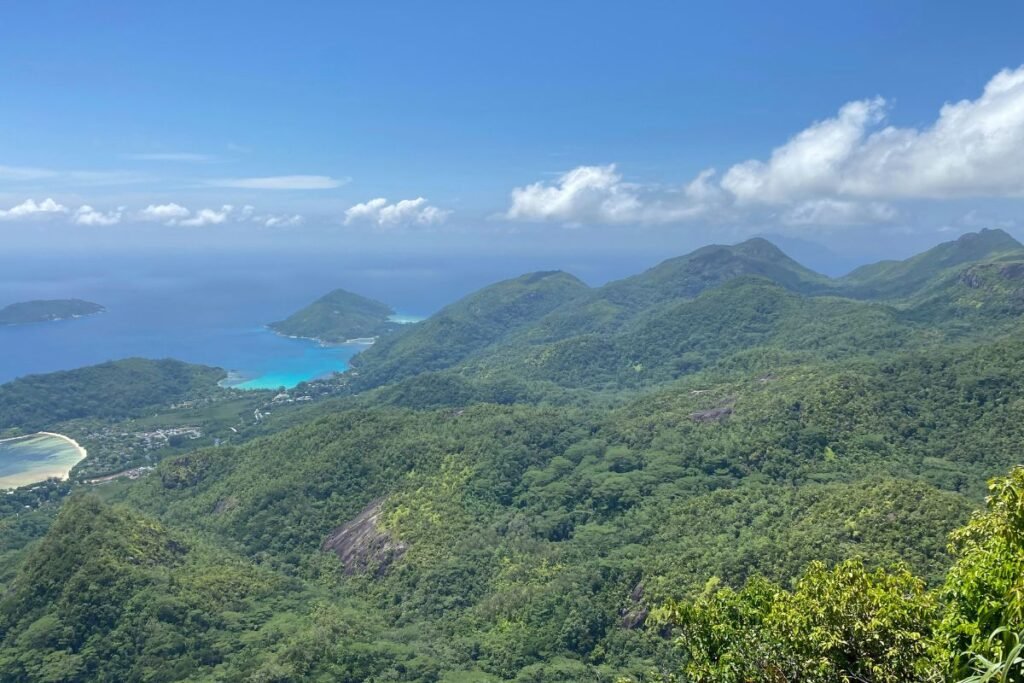
Covering a large part of Mahé, Morne Seychellois National Park is the island’s green heart. Its forested slopes rise to Morne Seychellois, the highest peak in the Seychelles at around 900 meters, and the park holds mist-covered forests, hidden valleys, and a network of hiking trails.
Trails range from gentle walks to demanding climbs. Some lead through cool, shaded forest to lookouts with sweeping views of the coast, while others take you through tea plantations, cloud forest, and past rare plants and birds. If you only have time for one trail, ask your accommodation or a local guide to recommend a route that matches your fitness and the weather.
Hiking here gives you a different view of the islands and a chance to escape the beaches for a day. Start early, because the sun and humidity build quickly.
Best for: Hikers, nature lovers, views, active travelers.
Good to know: Trails can be steep and slippery after rain, so wear proper shoes, carry water, and consider a guide for longer hikes.
7. Curieuse Island: Meet Giant Aldabra Tortoises
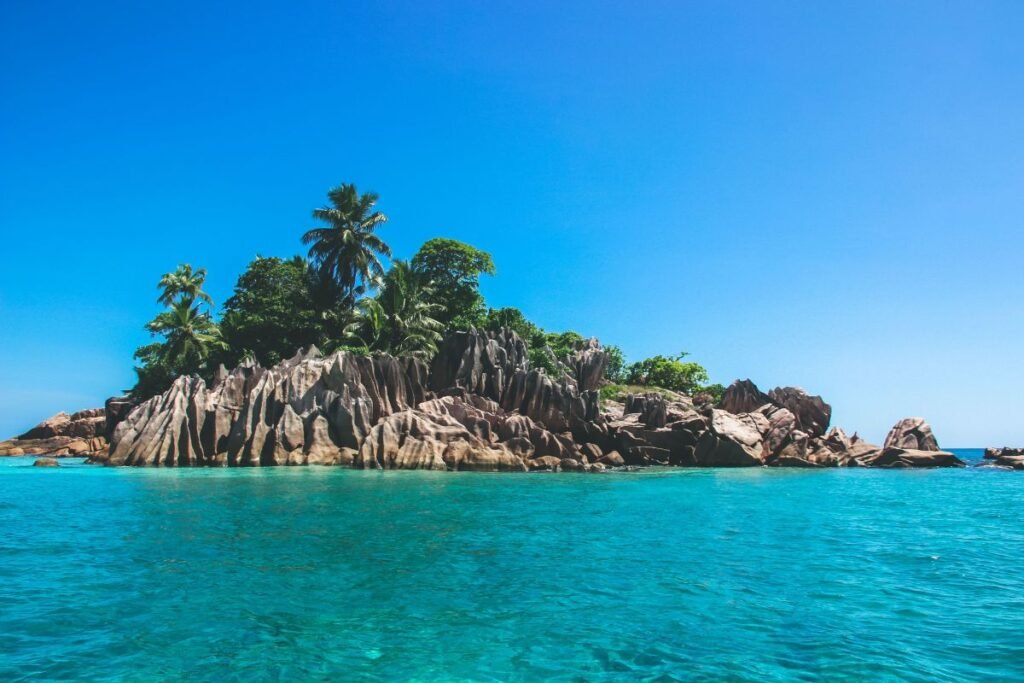
Just off the coast of Praslin, Curieuse Island is a marine national park that’s one of the easiest places to see giant Aldabra tortoises in a natural setting. The tortoises wander freely across the island, and you can walk among them and watch them graze, which is a highlight for children and adults alike.
The island also has mangrove forests, which you can explore on a boardwalk, and one of the few places outside Praslin where wild coco de mer palms grow. The landscape includes red-brown earth, quiet bays, and clear water that’s good for snorkeling. Historically, the island was a leper colony, and you can still see the ruins of the doctor’s house, now a small museum.
Day trips usually leave from Praslin by boat, often combined with snorkeling stops and a barbecue lunch on the beach.
Best for: Wildlife, families, snorkeling, short boat trips.
Good to know: Don’t feed or touch the tortoises, and follow the rangers’ guidance. There is an entrance fee, and tours are usually booked through operators on Praslin.
8. Sainte Anne Marine National Park: Explore Underwater Wonders

Located just off the coast of Mahé near Victoria, Sainte Anne Marine National Park was the first marine park in the Indian Ocean, and it’s still one of the easiest ways to experience the Seychelles’ underwater world. The park protects a group of small islands, including Sainte Anne, Cerf, Moyenne, Round, and Long, with calm waters, coral gardens, and seagrass beds.
The most popular way to visit is a half-day or full-day boat excursion with snorkeling stops. Many boats have glass bottoms, so you can see colorful fish, rays, and coral even if you don’t swim. On some trips you can walk on Moyenne Island, a small private nature reserve with walking trails and giant tortoises.
Because it’s so close to the capital, it’s a convenient choice if you’re staying on Mahé and want a taste of the marine life without a long trip.
Best for: Snorkeling, families, first-time snorkelers, easy day trips.
Good to know: Don’t touch or stand on coral, and use reef-safe sunscreen. Boat tours are best booked in advance, especially in high season.
9. La Digue: Discover the Island by Bicycle
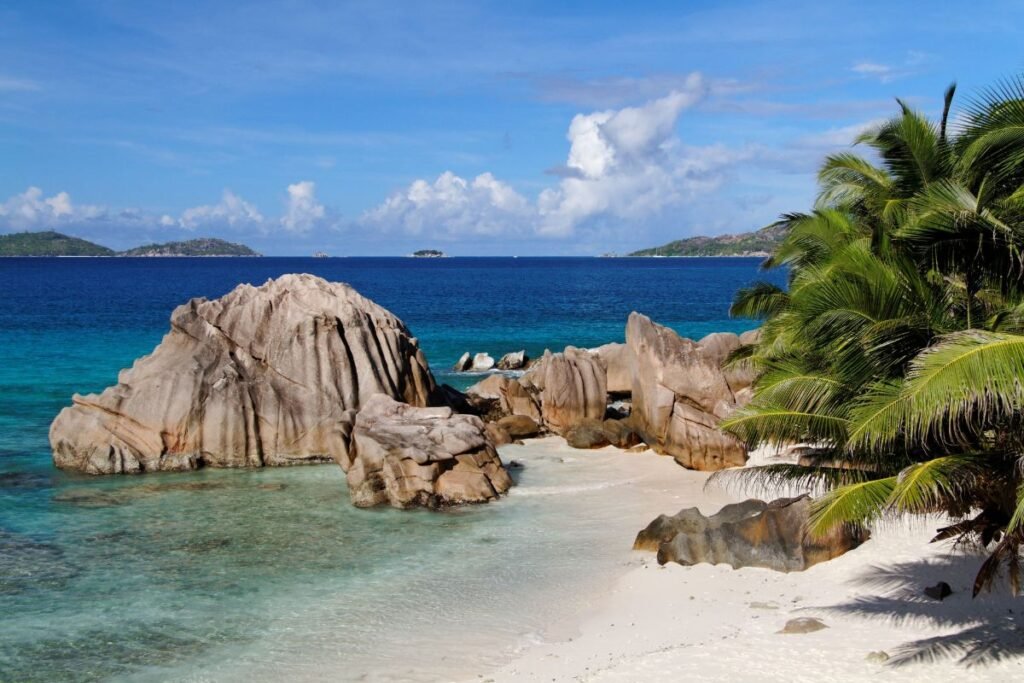
La Digue is the Seychelles’ slow-paced island, where bicycles and ox carts are far more common than cars. It’s small, quiet, and easy to explore, and many visitors say it’s the place that best captures the spirit of the Seychelles.
The ferry arrives at the small port of La Passe, and from there you can rent a bike and set off. Within minutes you can be riding past palm trees, small cafés, and traditional Creole houses on your way to the beaches. The island is home to Anse Source d’Argent, Grand Anse, and several other beautiful coves, and you can easily combine several of them in a day.
Nature lovers can also visit the Veuve Special Reserve, a small forest reserve that protects the rare Seychelles black paradise flycatcher, one of the world’s rarest birds. Visiting with a local guide helps you spot it and supports conservation.
Best for: Cycling, relaxed travel, couples, beach hopping.
Good to know: The island is hilly in places, so choose a bike with gears if you plan to cycle a lot, and bring plenty of water.
10. Copolia Trail: Hike to Panoramic Island Views
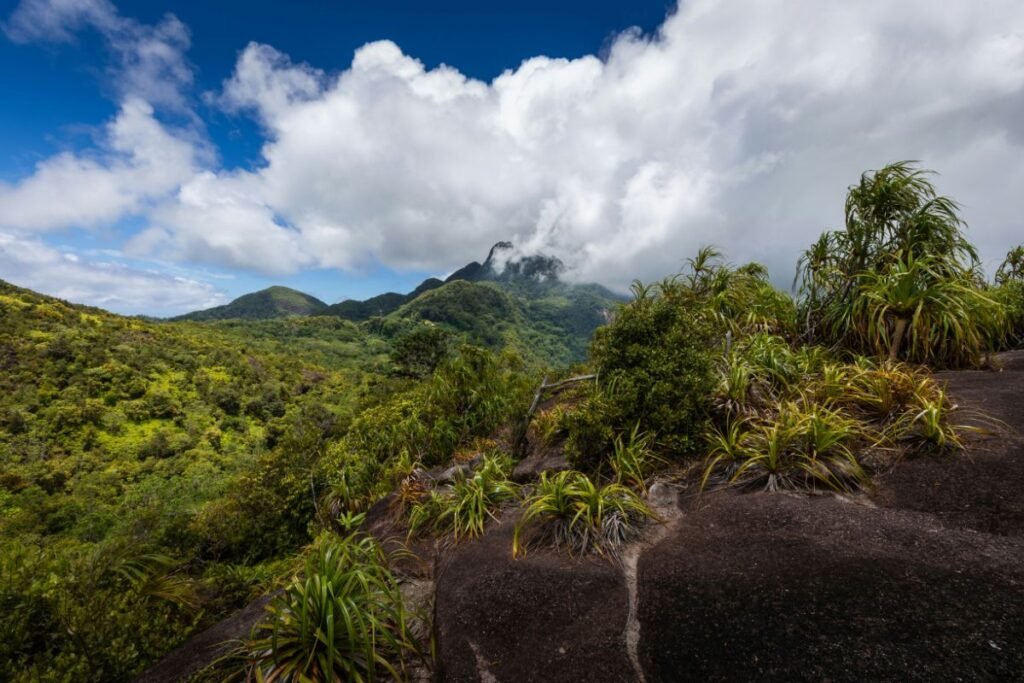
The Copolia Trail, on Mahé, is one of the most popular hikes in the Seychelles, and it rewards your effort with big views. The path starts in forest within Morne Seychellois National Park, climbs steadily over granite slabs and rocky steps, and finishes at a rocky lookout above the island.
From the top, you can look across Victoria, the coast, and the nearby islands, with the turquoise sea stretching to the horizon. Along the way you may see unusual plants, including carnivorous pitcher plants, which grow in the open, damp areas near the top. The hike usually takes about two hours round trip, depending on your pace.
Go early to avoid the heat and the crowds, and to increase your chances of clear views before clouds build up.
Best for: Hikers, views, photographers, active travelers.
Good to know: The path can be slippery after rain. Wear sturdy shoes, carry water, and be careful near the edges of the lookout.
What Is the Best Time to Visit the Seychelles?
The Seychelles has a warm, tropical climate all year, with temperatures usually in the high 20s to low 30s Celsius. Because it sits outside the main cyclone belt, severe storms are rare. The main difference between seasons is the wind and the amount of rain.
Northwest monsoon (roughly December to February): The weather is warm, humid, and wetter, with calmer seas on many beaches and less wind. Some days bring heavy but often short showers. Many beaches on the north and west coasts are at their best.
Southeast trade winds (roughly May to September): This is generally the drier, cooler, and breezier part of the year. The winds can make the sea rougher on exposed southeast-facing beaches, and seaweed can wash up in some places, but the weather is often pleasant for hiking and sightseeing. Beaches on the northwest, such as Beau Vallon, tend to be more sheltered.
Transition months (April to May and October to November): These months often bring calm seas, light winds, and good visibility. They’re widely considered the best times for snorkeling, diving, and general beach travel, and they tend to be a little quieter and better value than peak holiday periods.
If you want to combine good weather, calm water, and fewer crowds, April to May and October to November are usually the sweet spots. Conditions vary from year to year, so check forecasts before you book.
Tips for Planning Your Seychelles Trip
A little planning will help you make the most of your time and budget.
1. Choose your islands wisely. Mahé is the main hub, with the international airport and the most services. Praslin offers beautiful beaches and nature reserves, and La Digue is the place for a slow, bike-friendly experience. For a first trip of a week or more, many travelers combine all three.
2. Plan your inter-island travel. Ferries connect Mahé, Praslin, and La Digue, and short flights link Mahé and Praslin. Book ahead in busy periods, and check the schedule, because sea conditions can affect sailings.
3. Decide how you’ll get around. On Mahé and Praslin, rental cars and taxis are the most practical options, and driving is on the left. On La Digue, bicycles are the main way to travel.
4. Budget carefully. The Seychelles can be expensive, especially for resorts and dining. Guesthouses, self-catering apartments, local takeaways, and public buses can help keep costs down. Check the current taxes and fees, since some are charged per person or per night.
5. Protect the environment. Use reef-safe sunscreen, don’t touch or stand on coral, don’t remove shells or coral from beaches, and follow the rules in reserves and national parks. Keep a respectful distance from turtles, birds, and tortoises.
6. Take care in the water. Many beaches don’t have lifeguards, and currents can be strong, especially on exposed beaches. Always check local conditions, never swim alone in rough water, and follow warning flags.
7. Pack for the tropics. Bring light clothing, a hat, sunglasses, sunscreen, insect repellent, and a light rain jacket. Comfortable walking shoes or sandals are important for hiking and rocky paths, and water shoes can be handy for boulder-lined beaches.
8. Check entry requirements. Visa and travel authorization rules depend on your nationality, so check the latest requirements before you travel, including any online authorization you need to complete before arrival.
9. Carry cash and cards. Cards are widely accepted in larger hotels and restaurants, but small cafés, markets, and some guesthouses may prefer cash. The local currency is the Seychellois rupee, and it’s useful to carry some for small purchases.
10. Book popular tours in advance. Trips to Curieuse, Cousin Island, Sainte Anne Marine National Park, and island-hopping excursions can fill up, particularly in peak season and school holidays.
Conclusion
From the sculpted boulders of Anse Source d’Argent and the ancient palms of Vallée de Mai to the giant tortoises of Curieuse and the coral gardens of Sainte Anne, the attractions in the Seychelles show just how varied this small island nation is. There are beaches for relaxing, trails for hiking, reserves for wildlife, and quiet corners where you can simply slow down.
Choose the islands and activities that match your style, travel in a calm, dry season if you can, and leave space in your schedule for unplanned moments on the sand or the water. The Seychelles tends to reward slow travelers, and you’ll likely finish your trip already planning a return.
Which of these destinations is on your list? Tell us in the comments where you’re heading next, and share your favorite place in the Seychelles.
FAQ:
What are the best attractions in the Seychelles?
Top attractions include Anse Source d’Argent, Beau Vallon Beach, Vallée de Mai, Anse Lazio, Victoria, Morne Seychellois National Park, Curieuse Island, Sainte Anne Marine National Park, La Digue, and the Copolia Trail. The best choice depends on whether you prefer beaches, wildlife, hiking, or culture.
How many days do I need to see the main attractions in the Seychelles?
A week is a good minimum to see highlights on Mahé, Praslin, and La Digue without rushing. With 10 to 14 days, you can add more island excursions, hikes, and quiet beach time.
What is the best time of year to visit the Seychelles?
April to May and October to November are often the best months, with calm seas, light winds, and good conditions for snorkeling and diving. The drier southeast trade wind season, from about May to September, is also popular, while the northwest monsoon season is warmer and wetter.
Which island in the Seychelles is best for first-time visitors?
Mahé is the main hub, with the most services and attractions. Many first-time visitors also include Praslin for Vallée de Mai and Anse Lazio, and La Digue for Anse Source d’Argent and a relaxed bicycle-friendly atmosphere.
Is the Seychelles expensive to visit?
It can be, especially if you stay in resorts and dine out often. You can reduce costs by choosing guesthouses or self-catering apartments, eating at local takeaways, using public transport, and traveling outside peak periods.
What is the most beautiful beach in the Seychelles?
Beauty is a matter of taste, but Anse Source d’Argent on La Digue and Anse Lazio on Praslin are two of the most frequently praised. Anse Georgette and Grand Anse on La Digue are also well known for their scenery.
Can you see giant tortoises in the Seychelles?
Yes. Giant Aldabra tortoises can be seen on Curieuse Island, in the Victoria Botanical Gardens, at L’Union Estate on La Digue, and on Moyenne Island in Sainte Anne Marine National Park.
Is it safe to swim at beaches in the Seychelles?
Many beaches are safe and calm, but conditions vary. Some beaches, particularly those exposed to open ocean waves, can have strong currents and no lifeguards. Check local conditions, follow flags and advice, and avoid swimming alone in rough water.
Do I need to book tours in advance?
For popular excursions such as Curieuse, Cousin Island, and Sainte Anne Marine National Park, booking ahead is wise, especially in high season. Visits to reserves like Cousin Island may also be limited to certain days.
What should I pack for a trip to the Seychelles?
Bring light clothing, swimwear, sunscreen (preferably reef-safe), a hat, sunglasses, insect repellent, a light rain jacket, and comfortable walking shoes or sandals. Water shoes and a dry bag can also be useful for boat trips.