
11 Best Places to Visit in Portugal
Portugal packs a lot into a small country. In a…
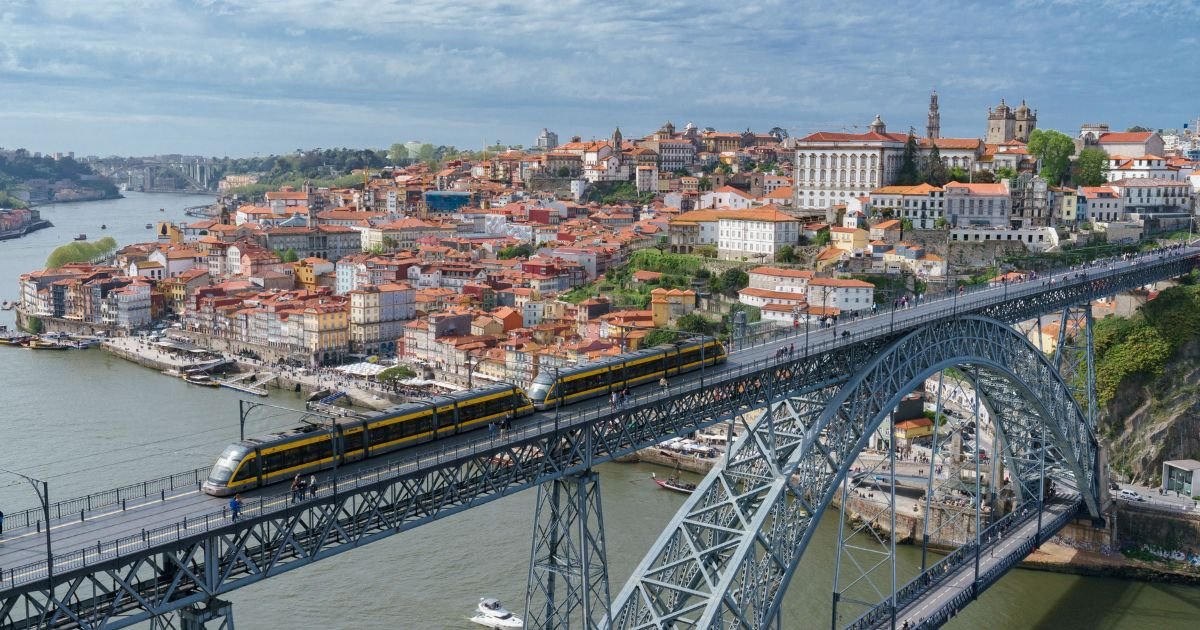
Portugal packs a lot into a small country. In a single trip you can ride a vintage tram through Lisbon’s hills, sip port wine beside the Douro River, hike through green volcanic craters in the Azores, and watch surfers take on some of the biggest waves on Earth. The food is great, the people are welcoming, and the distances are short enough that you can see a lot without spending your holiday on the road.
This guide covers 11 best places to visit in Portugal, from famous cities to quiet national parks and Atlantic islands. For each stop you’ll find what makes it special, what to see and do, and who it suits best. At the end you’ll find advice on choosing where to go, the best time to visit, planning tips, and a FAQ.
Why Visit Portugal? Discover Its Beautiful Landscapes and Culture
Portugal is one of Europe’s most rewarding travel destinations, and it keeps surprising visitors who arrive expecting only beaches.
The landscapes are varied. Within a few hours’ travel you can move from golden Atlantic beaches and dramatic sea cliffs to terraced vineyards, granite mountains, and misty forests. Offshore, Madeira and the Azores add subtropical gardens, volcanic lakes, and hot springs.
The history runs deep. Portugal’s story stretches from Roman and Moorish rule to the Age of Discovery, when explorers sailed from its ports to reach Africa, India, and Brazil. You can still see that past in medieval castles, grand monasteries, tiled churches, and old university halls.
The food and drink are a highlight. Expect fresh grilled fish, rich stews, crispy pastries, and some of Europe’s best-value wine. A custard tart with coffee at a corner café is a simple pleasure you’ll repeat daily.
It’s welcoming and good value. Compared with many Western European countries, Portugal can be affordable, especially outside the busiest summer weeks. It’s also easy to get around and generally friendly to visitors, and many people in tourist areas speak English.
Now let’s look at the places that deserve a spot on your itinerary.
11 Best Places to Visit in Portugal for an Unforgettable Trip
1. Lisbon: Explore Portugal’s Vibrant Capital
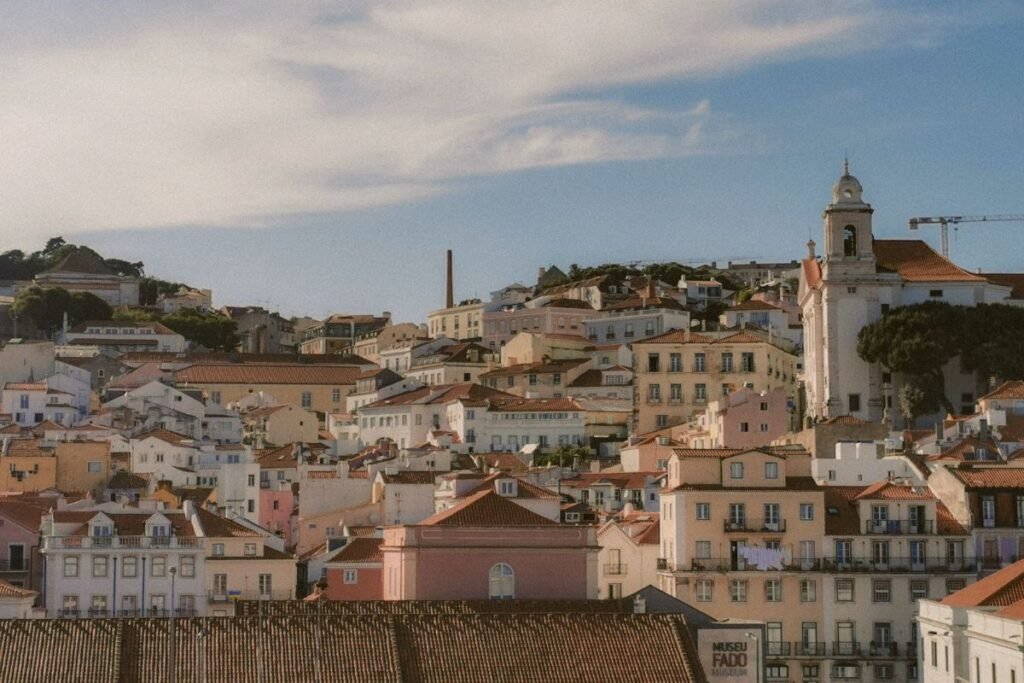
Lisbon is built on seven hills beside the Tagus River, and its mix of pastel buildings, tiled facades, and sweeping viewpoints makes it one of Europe’s most photogenic capitals. It’s also lively and relaxed, with a strong food scene, good nightlife, and plenty of history.
Start in the old neighborhood of Alfama, a maze of narrow lanes where fado music drifts from small bars in the evening. Climb to a viewpoint, called a miradouro, for views over the rooftops and river. Ride the famous Tram 28, though it’s often crowded, so go early or enjoy the walk instead. In Belém, you can see the Jerónimos Monastery and Belém Tower, two landmarks linked to the Age of Discovery, and taste the original pastéis de nata custard tarts that locals line up for.
For a modern side of the city, explore the creative spaces and restaurants of the LX Factory area or stroll the riverfront. Food lovers shouldn’t miss a long seafood dinner or a plate of grilled sardines in season.
Best for: First-time visitors, food lovers, culture, nightlife.
Good to know: The hills are steep and the cobbles can be slippery, so wear comfortable shoes. Lisbon is also a good base for day trips to Sintra, Cascais, and beyond.
2. Porto: Discover Historic Streets and Riverside Views
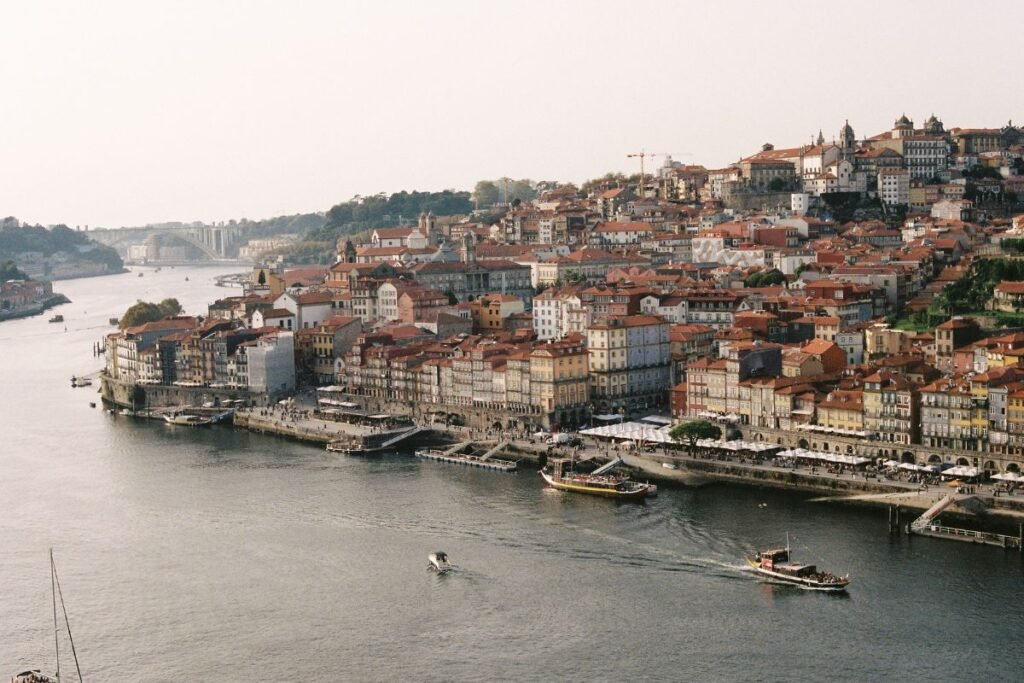
Porto, in the north, has a more intimate and gritty charm than Lisbon, and many visitors fall in love with it quickly. Its historic center is a UNESCO World Heritage Site, with steep streets, azulejo-tiled churches, and colorful buildings stacked above the Douro River.
The Ribeira district is the heart of the old town, and a walk along its riverfront gives you views of the iconic double-decker Dom Luís I Bridge. Cross to Vila Nova de Gaia on the opposite bank to visit the port wine cellars, where you can tour, learn how the fortified wine is made, and taste different styles. Book-lovers may want to see the famous Livraria Lello bookshop, though it’s popular and usually requires a ticket and some patience with crowds.
Don’t leave without trying a francesinha, Porto’s hearty sandwich layered with meat, cheese, and a rich sauce. If you have time, take a river cruise or a train ride up the Douro Valley, where terraced vineyards roll along the river, and visit a winery for lunch.
Best for: Wine lovers, architecture, riverside walks, foodies.
Good to know: Porto is hilly and compact. Consider staying near the center so you can explore on foot, and leave a day or two for the Douro Valley if you can.
3. Madeira: Enjoy Stunning Mountains and Coastal Scenery
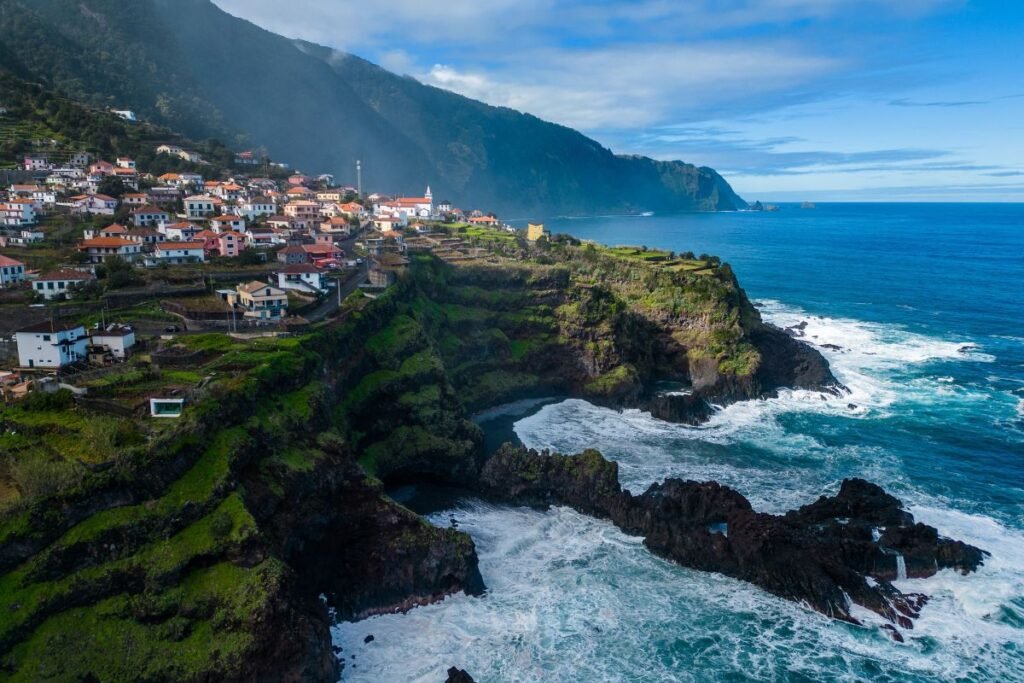
Madeira is a green Atlantic island that belongs to Portugal but sits closer to Africa than to Lisbon. It’s often called the “island of eternal spring” thanks to its mild climate, and it’s a paradise for hikers, garden lovers, and anyone who enjoys dramatic scenery.
The island’s signature activity is walking the levadas, narrow irrigation channels that wind through forests and mountainsides, and many of them have well-marked trails. Some are easy and flat, while others run along steep cliffs, so choose carefully and check conditions before you go. Viewpoints such as Pico do Arieiro and Cabo Girão, one of Europe’s highest sea cliffs, offer spectacular scenery, and many people enjoy driving or taking tours along the coast.
The capital, Funchal, has a pleasant old town, lively markets, and good restaurants. Be sure to try local specialties like espetada (skewered beef grilled over wood) and bolo do caco (a round garlic bread). Madeira wine, a fortified wine with a long history, makes a great souvenir.
Best for: Hiking, gardens, mild weather, scenic drives, a relaxing island escape.
Good to know: The weather can change quickly in the mountains, so bring layers, and check trail conditions and closures before setting out.
4. The Azores: Experience Volcanic Landscapes and Nature
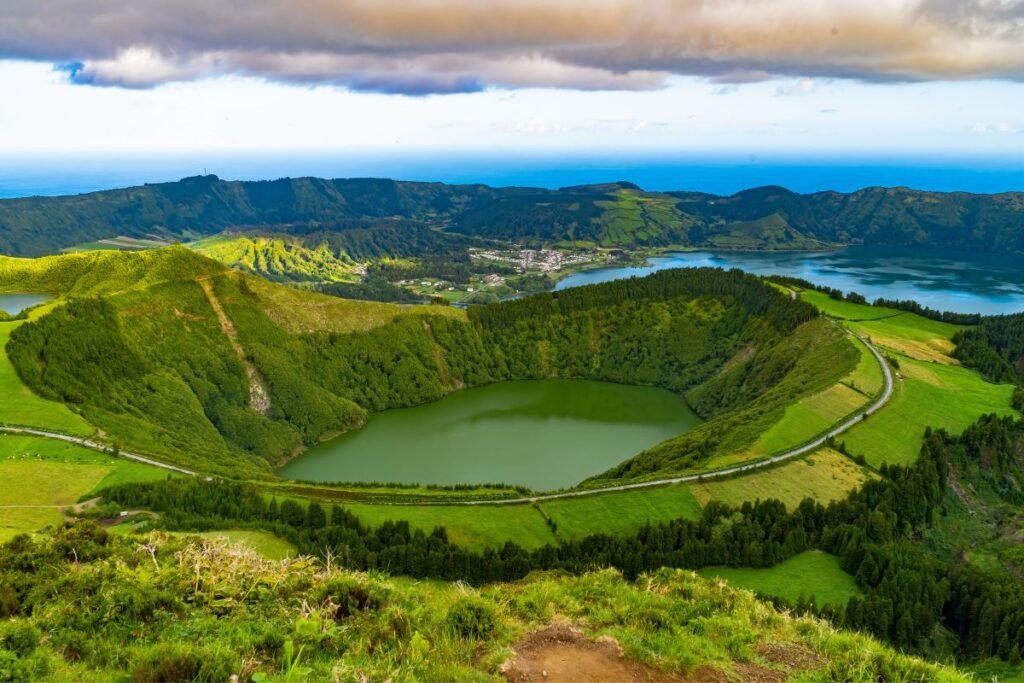
The Azores are a group of nine volcanic islands in the middle of the Atlantic, and for nature lovers they feel like a different world. Lush green hills, crater lakes, steaming hot springs, and dramatic coastlines make them one of Europe’s most distinctive destinations.
São Miguel, the largest island, is the most visited. Its highlight is the Sete Cidades crater, where two connected lakes appear in different shades of blue and green, framed by steep volcanic walls. In the Furnas valley, you can soak in warm thermal pools, walk through gardens, and try cozido das Furnas, a stew slow-cooked underground using volcanic heat. Other islands offer their own highlights, such as Pico, home to Portugal’s highest mountain, and waters well known for whale and dolphin watching.
The Azores reward travelers who like slow, outdoor-focused trips. Think hiking, swimming in natural pools, tasting local cheese and tea, and watching the weather roll across the hills.
Best for: Nature lovers, hikers, whale watching, adventure travelers.
Good to know: Weather is changeable, with frequent mist and showers, so be flexible. Renting a car is the easiest way to explore, and inter-island flights or ferries let you combine more than one island.
5. Sintra: Visit Fairytale Palaces and Gardens

Just a short trip from Lisbon, Sintra looks like it was pulled from a storybook. Set in forested hills, the town is a UNESCO World Heritage cultural landscape known for palaces, castles, and gardens that appear to rise out of the mist.
The most famous sight is the Pena Palace, a bright, whimsical hilltop palace with yellow and red towers. Nearby, the Moorish Castle offers sweeping views along its ancient walls. Quinta da Regaleira is a favorite for its mysterious gardens, tunnels, and a spiral stairwell called the Initiation Well. The National Palace of Sintra in the old town is also worth seeing for its distinctive chimneys and tiled rooms.
Sintra is busy, particularly in high season, so plan carefully. Buy tickets online ahead of time, start early, and choose two or three main sights rather than trying to see everything in one day.
Best for: Day trips from Lisbon, history, gardens, photography.
Good to know: The hills are steep and the roads are crowded. Use the local buses or a taxi between sights rather than driving yourself, and wear comfortable shoes.
6. Aveiro: Discover Portugal’s Colorful Canal City
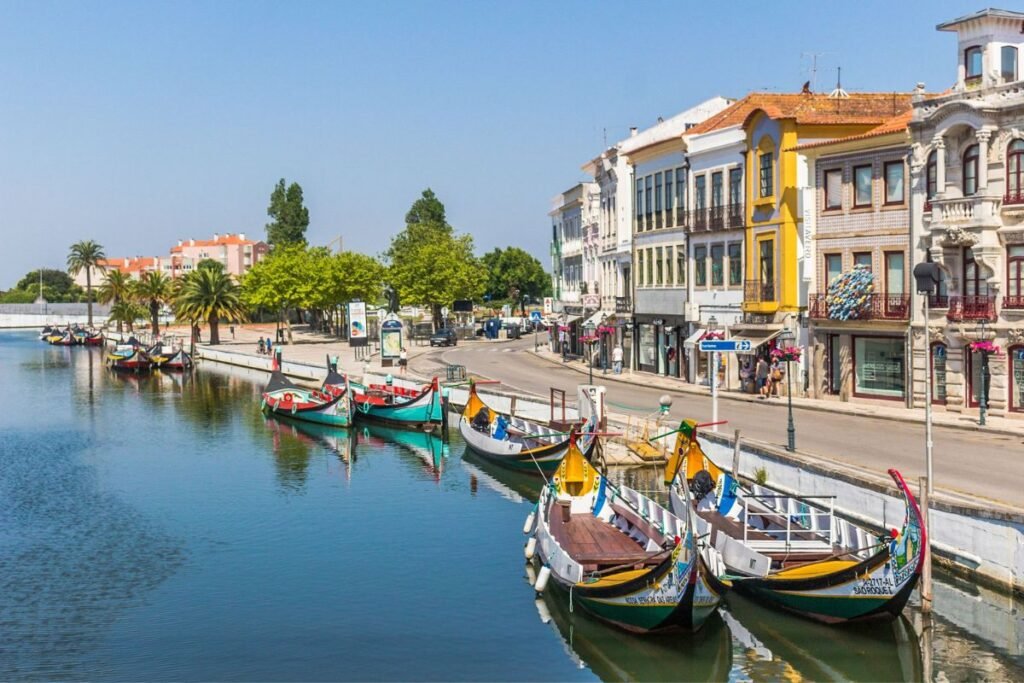
Aveiro is sometimes called the “Venice of Portugal,” and while the comparison is a stretch, the city’s canals and bright boats give it its own charm. It’s a small, relaxed city on the central coast, and it makes an easy, pleasant stop between Porto and Coimbra.
The classic experience is a ride on a moliceiro, a traditional, brightly painted boat once used to harvest seaweed. The boats glide along the central canals past Art Nouveau buildings, and the ride is short and gentle. Back on land, try ovos moles, a sweet local treat made from egg yolks and sugar, usually served in little shell-shaped wafers.
A short drive or bus ride away, the beach village of Costa Nova is famous for its candy-striped houses, which make for great photographs and a relaxed seaside lunch.
Best for: Short stops, photography, relaxed sightseeing, couples.
Good to know: Aveiro is small, so a half day or one night is usually enough. Combine it with a beach visit to Costa Nova.
7. Braga: Explore Historic Churches and Local Culture
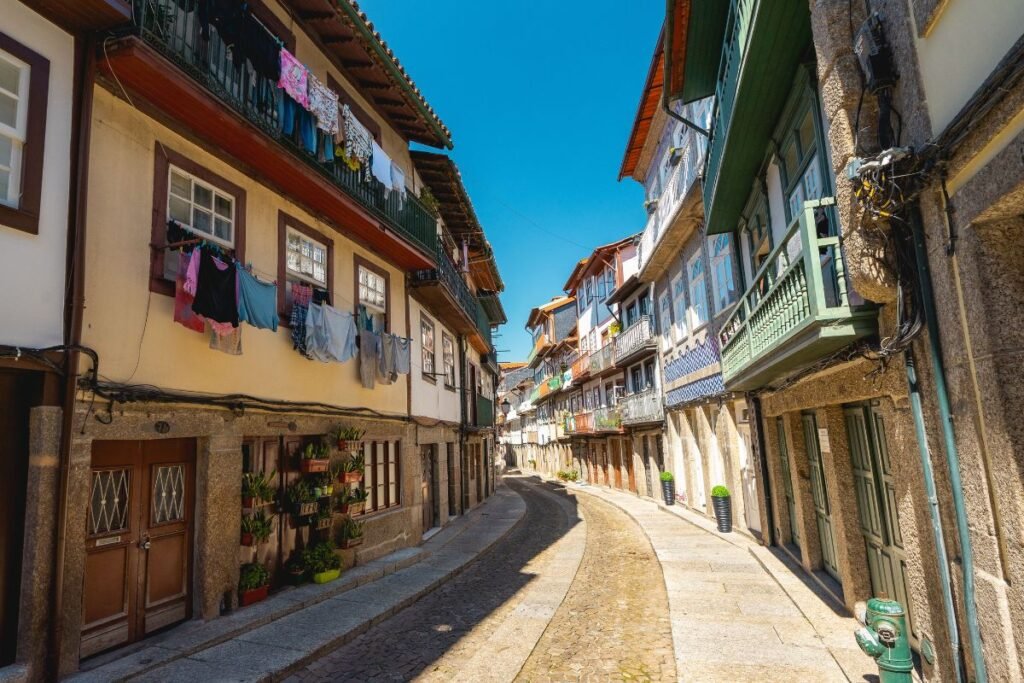
Braga, in the north, is one of Portugal’s oldest cities and is often described as its religious capital. It’s less crowded than Lisbon or Porto, which makes it a good choice if you’d like a more local feel.
Braga also has lively squares, cafés, and a youthful energy thanks to its university. It’s a good base for exploring the green Minho region, including nearby Guimarães, often called the “birthplace of Portugal.”
Best for: History, architecture, a quieter northern base, culture lovers.
Good to know: Braga works well as a day trip from Porto, or as a night or two in its own right if you like slower travel.
8. Cascais: Relax on Beautiful Beaches Near Lisbon
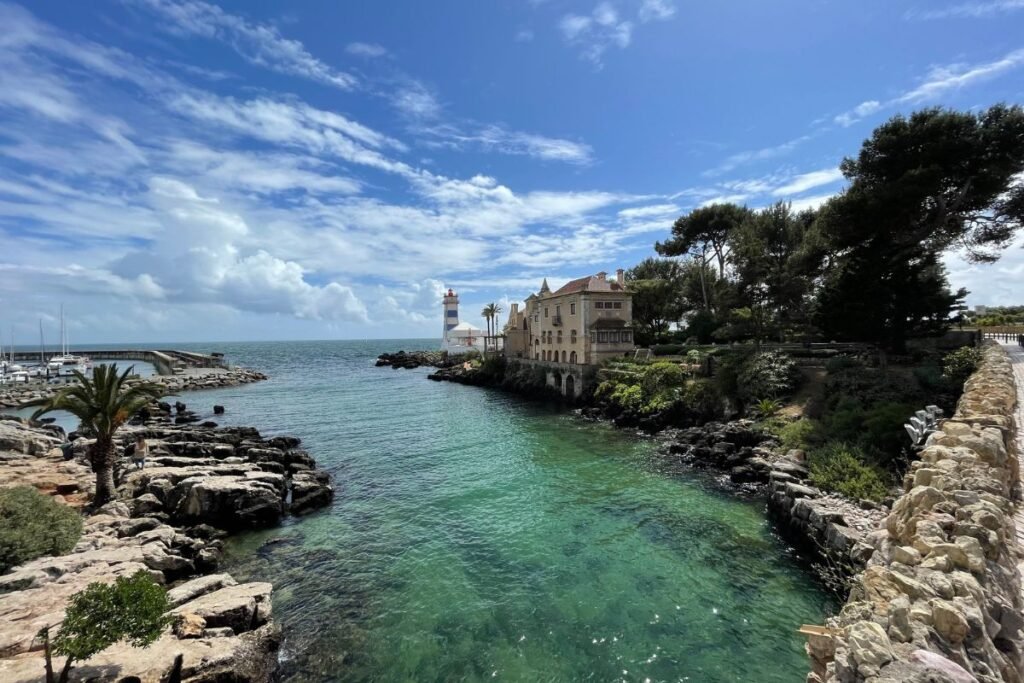
Cascais is a former fishing village on the coast west of Lisbon, and today it’s one of the most popular seaside getaways in the country. It combines sandy beaches, a pleasant historic center, and a polished, relaxed atmosphere.
You can reach Cascais by train from Lisbon in around 40 minutes, which makes it easy to visit as a day trip. Spend the morning on a beach such as Praia da Rainha or Praia da Conceição, then wander through the old town for shops, cafés, and fresh seafood. The coastal path takes you to Boca do Inferno, a dramatic sea cliff where waves crash into a rocky chasm, and you can rent a bike to explore the seafront.
If you’d like more than a day, Cascais makes a great base for a beach-focused stay with easy access to Lisbon and Sintra.
Best for: Beaches, day trips from Lisbon, relaxing, families.
Good to know: Beaches get crowded in July and August, so go early or choose a weekday.
9. Nazaré: Experience Giant Waves and Coastal Views
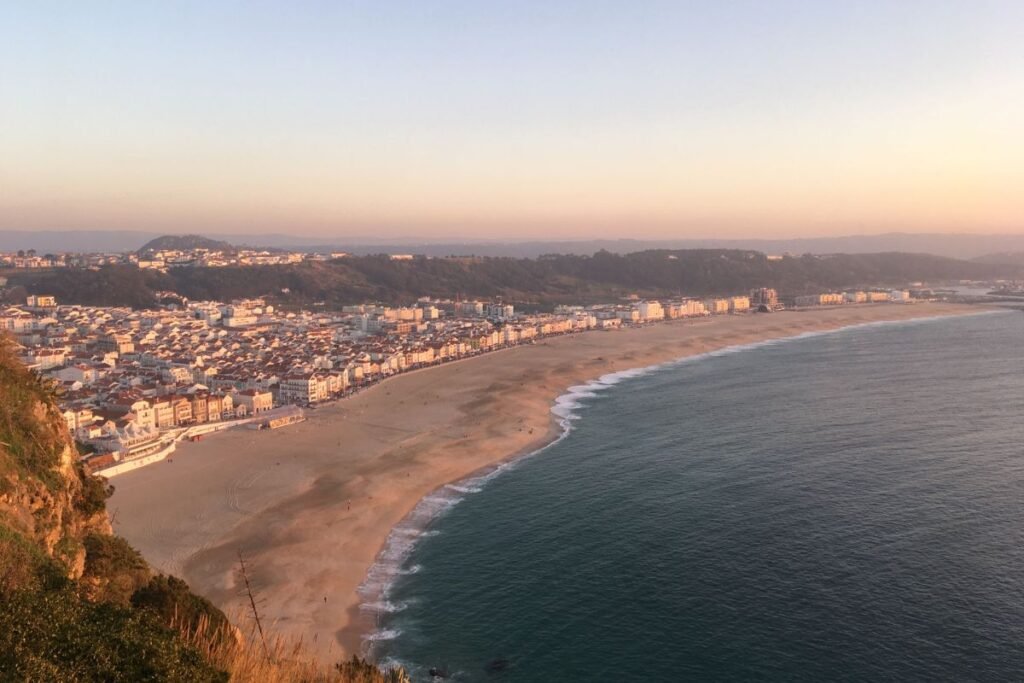
Nazaré is a traditional fishing town that became famous around the world for its enormous waves. Because of a deep underwater canyon just offshore, swells reaching the coast can grow to extraordinary heights, and Nazaré has seen some of the largest waves ever surfed.
The best place to watch is the headland by the Fort of São Miguel Arcanjo, whose lighthouse overlooks the beach of Praia do Norte. Big-wave season is usually from around October to February, when winter swells arrive, and on the right day you can watch surfers take on huge walls of water. Even outside big-wave season, the cliffs, beaches, and old town are worth a visit.
Nazaré also has a strong fishing heritage. Look for women in traditional layered skirts selling dried fish, and try fresh seafood at one of the seafront restaurants. The funicular takes you up to the upper part of town, known as Sítio, which has wonderful views over the bay.
Best for: Big-wave spectators, coastal scenery, seafood, a short stop on the Lisbon to Porto route.
Good to know: Don’t count on seeing giant waves, because they depend on the swell. Check forecasts if it’s a priority.
10. Peneda-Gerês National Park: Enjoy Hiking and Waterfalls
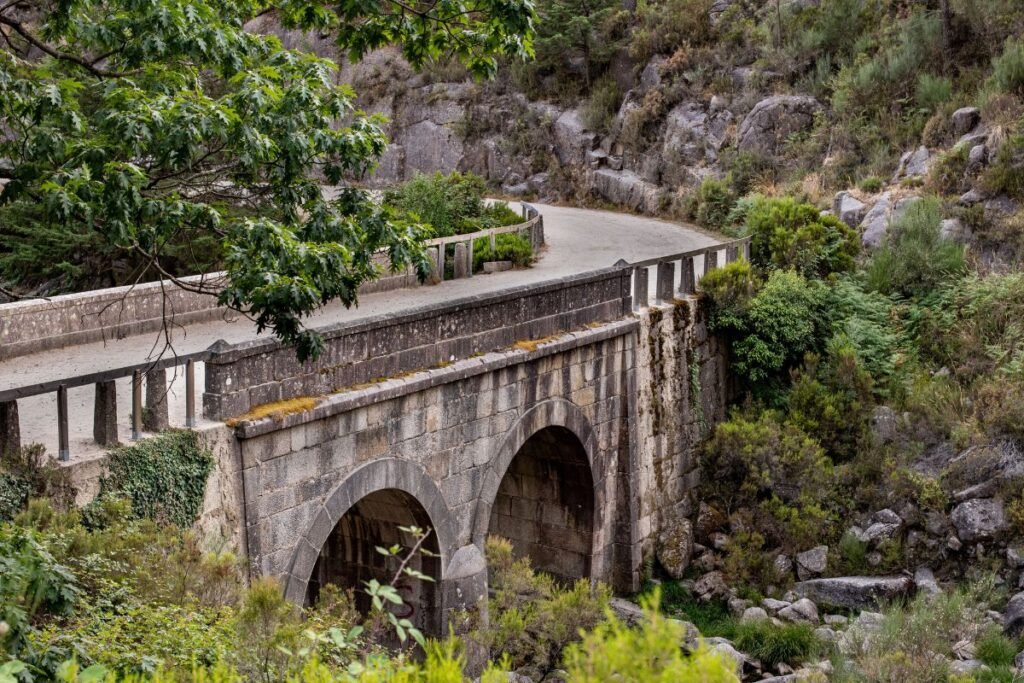
Peneda-Gerês is Portugal’s only national park, and it’s the best place in the country for wilderness, hiking, and nature. Located in the far north on the Spanish border, it’s a landscape of granite mountains, deep valleys, forests, rivers, and waterfalls.
Trails range from short, easy walks to long, demanding routes. Many hikers come for the waterfalls and natural swimming spots, which are especially welcome on hot summer days. The park is also home to wildlife, including semi-wild Garrano horses, and to traditional stone villages where farming life continues much as it has for generations.
Visitors who enjoy quiet, outdoor-focused travel will love it here. A car makes it much easier to reach the trailheads and viewpoints, though some areas have guided tours or local transport.
Best for: Hiking, waterfalls, wild swimming, nature lovers, a quiet escape.
Good to know: Check trail conditions, bring plenty of water, and respect fire restrictions in summer. Parts of the park can be busy on summer weekends.
11. Coimbra: Discover a Historic University City
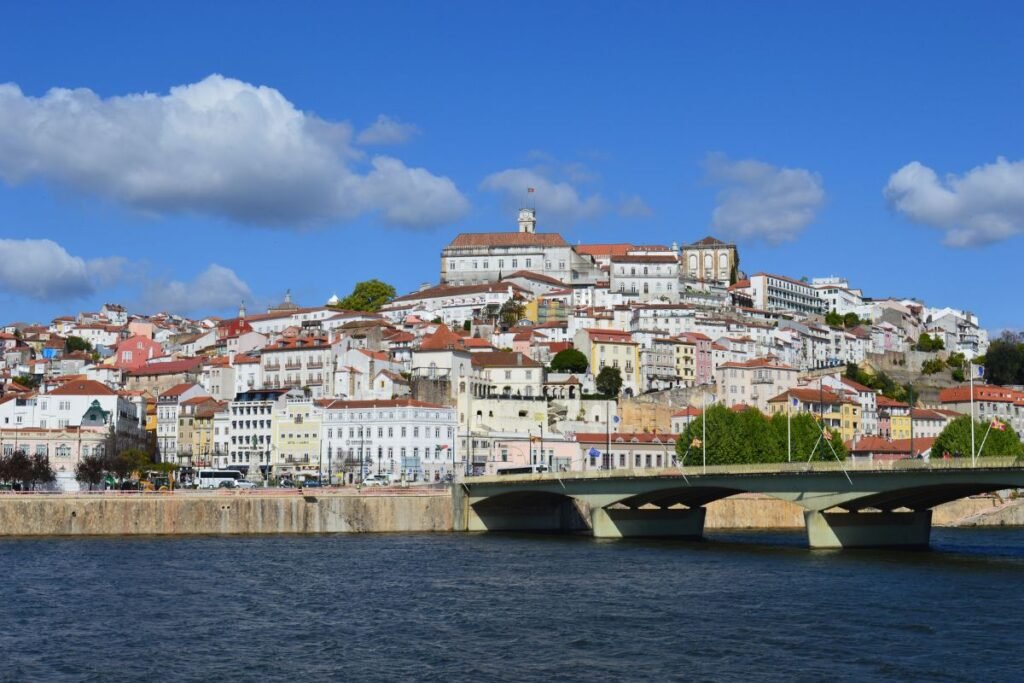
Coimbra, in central Portugal, was once the country’s capital and is home to one of Europe’s oldest universities. The University of Coimbra sits on a hilltop and is a UNESCO World Heritage Site, with the ornate Joanina Library, a baroque masterpiece lined with gilded shelves, among its highlights.
The city has a youthful, academic atmosphere, and students still wear traditional black capes on formal occasions. Wander the steep lanes of the old town, visit the Old Cathedral and the Monastery of Santa Cruz, and listen to fado de Coimbra, a local style of the music that’s linked to the university and tends to be performed by men and women in a more serenade-like tradition.
Coimbra is easy to reach by train from both Lisbon and Porto, which makes it a great stop on a north-to-south route.
Best for: History buffs, architecture, culture, a stop between Porto and Lisbon.
Good to know: Book tickets for the university and library in advance, because entry can be limited.
How to Choose the Best Places to Visit in Portugal for Your Trip
With eleven great options, how do you build your itinerary? Start by deciding what kind of trip you want, then match it to the places that fit.
- If it’s your first visit and you have 5 to 7 days: Combine Lisbon, Sintra, and Porto, with an optional stop in Coimbra or Aveiro on the way. This gives you a mix of city life, history, and food.
- If you love nature and hiking: Focus on Madeira, the Azores, or Peneda-Gerês National Park. These are best with a rental car and a flexible schedule.
- If you want beaches and relaxation: Base yourself in Cascais, and add day trips to Lisbon and Sintra. You can also add an Algarve stay if you have extra time.
- If you like history and culture: Add Braga, Coimbra, and Porto to your list.
- If you’re chasing something special: Nazaré’s big waves in winter and the Azores’ volcanic landscapes both reward travelers who plan around the season.
A few other points are worth weighing:
- Time. Don’t try to see everything. Portugal is small, but its roads and trains still take time. Aim for fewer stops with more time in each.
- Transport. Trains connect Lisbon, Coimbra, Aveiro, and Porto well. For the countryside, national parks, Madeira, and the Azores, a rental car is often more practical.
- Budget. Lisbon, Porto, and tourist hotspots cost more, while smaller towns usually cost less. Off-peak travel will stretch your budget further.
- Crowds. Sintra, Lisbon, and Porto are busiest in summer. Go early in the day or outside peak months for a calmer experience.
What Is the Best Time to Visit Portugal?
Portugal has a pleasant climate for much of the year, but each season has its own character.
Spring (March to May): Mild weather, blooming flowers, and fewer crowds make spring one of the best times to visit. It’s great for city breaks, hiking, and sightseeing. Madeira’s gardens are especially beautiful.
Summer (June to August): This is peak season, with hot, sunny weather that suits beaches and coastal towns. Inland areas, including the Douro Valley and the Alentejo, can get very hot. Expect higher prices and bigger crowds in Lisbon, Porto, Sintra, and on the beaches. The Azores are at their best from about June to September, when the weather is generally warmer and drier.
Autumn (September to November): The sea is still warm in September, the crowds begin to thin, and the Douro Valley harvest season is a highlight for wine lovers. October and November bring more rain, but also lower prices and quieter sights. Big waves begin to return to Nazaré.
Winter (December to February): Winters are mild compared with much of Europe, though they can be wet and cool, especially in the north. It’s a good time for city sightseeing, lower prices, and the best chance of seeing giant waves in Nazaré. Madeira remains mild and green year-round.
If you want to balance weather, crowds, and cost, April to June and September to October are usually the sweet spots.
Travel Tips for Planning Your Portugal Adventure
A little preparation will make your trip smoother. Here are practical tips for visitors:
1. Book popular sights in advance. Tickets for places such as Pena Palace, Livraria Lello, and the University of Coimbra can sell out or involve long lines in busy periods. Booking online saves time.
2. Choose the right transport. Trains are comfortable and affordable between major cities. For rural areas, islands, and national parks, renting a car gives you the most freedom. Check toll systems before you drive, since some highways use electronic tolls.
3. Wear comfortable shoes. Lisbon, Porto, and Sintra are hilly, and many streets are paved with polished cobblestones, called calçada, which can be slippery when wet.
4. Try the local food. Sample grilled fish, bacalhau (salted cod), pastéis de nata, francesinha, and regional wines. Ask locals for suggestions, and look for small restaurants with a daily menu for good value.
5. Pack for the weather. Bring layers, even in summer. Mornings and evenings on the coast can be cool, and the mountains and islands can change quickly. A light rain jacket is handy outside the dry summer months.
6. Check entry requirements. Visa and passport rules depend on your nationality, so check the latest requirements before you travel, including any electronic travel authorization systems that may apply.
7. Use local etiquette. A friendly greeting goes a long way. Tipping is modest, and rounding up the bill or leaving a few coins at casual places is common.
8. Get travel insurance. It’s worth having coverage for medical care, cancellations, and lost luggage, especially if you plan to hike or take part in adventure activities.
9. Be careful in crowded places. Like in any popular tourist area, keep an eye on your belongings in busy places such as trams, markets, and train stations.
10. Leave room to explore. Some of the best moments in Portugal happen when you slow down, such as a long lunch, an unplanned café stop, or a quiet viewpoint at sunset. Don’t pack every hour.
FAQ:
What are the best places to visit in Portugal?
Top destinations include Lisbon, Porto, Madeira, the Azores, Sintra, Aveiro, Braga, Cascais, Nazaré, Peneda-Gerês National Park, and Coimbra. The best choice depends on whether you prefer cities, beaches, hiking, history, or islands.
How many days do I need in Portugal?
For a first trip, 5 to 7 days is enough to see Lisbon, Sintra, and Porto. With 10 to 14 days, you can add places such as Coimbra, Aveiro, Nazaré, or Braga, or spend time in Madeira or the Azores.
What is the best time of year to visit Portugal?
April to June and September to October are usually the best times, with pleasant weather and fewer crowds than midsummer. Summer is best for beaches, and winter suits city breaks and big-wave watching in Nazaré.
What are the best places to visit in Portugal for first-time visitors?
Lisbon, Porto, and Sintra are the classic first-time trio. Adding Coimbra or Aveiro gives you more variety without much extra travel time.
Which is better to visit, Lisbon or Porto?
Both are excellent, and they suit different tastes. Lisbon is bigger, with more sights, nightlife, and day-trip options, while Porto is more compact and known for its riverside, wine, and food. If you can, visit both.
Is Madeira or the Azores better?
It depends on your interests. Madeira has mild weather year-round, dramatic mountains, levada walks, and gardens. The Azores are wilder and greener, with crater lakes, hot springs, and whale watching. Madeira suits relaxed scenic trips, while the Azores suit nature-focused travelers.
Is Portugal expensive to visit?
Portugal is generally good value compared with many Western European countries, especially outside of Lisbon, Porto, and peak summer. Costs vary with the season and your travel style, and booking early or traveling in shoulder seasons can help.
Do I need to rent a car in Portugal?
Not for the main cities. Trains and buses connect Lisbon, Coimbra, Aveiro, and Porto well. A car is more useful for national parks, the countryside, Madeira, and the Azores, where public transport is limited.
Is Portugal safe for tourists?
Portugal is generally considered a safe destination. As with anywhere, keep an eye on your belongings in busy tourist areas, and follow local advice when hiking or swimming, especially on Atlantic beaches with strong currents.
Can you visit Sintra as a day trip from Lisbon?
Yes. Sintra is about 40 minutes from Lisbon by train, which makes it an easy day trip. Start early, book tickets in advance, and choose two or three main sights to avoid rushing.