
The 7 Best Places in the World for Snowboarding
Picture the first turn of the day: the board floats…
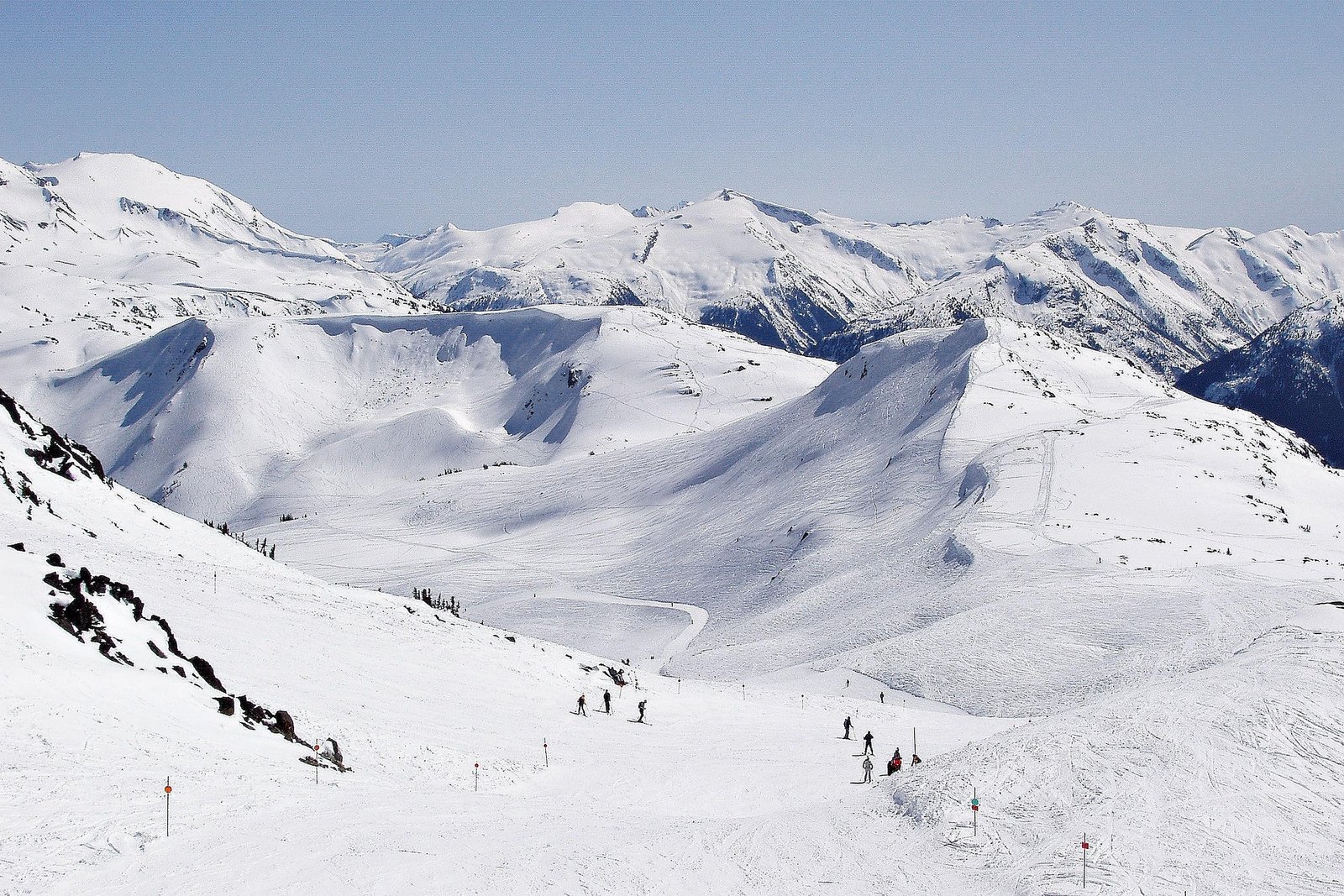
Picture the first turn of the day: the board floats through fresh snow, the mountain opens up below you, and the only sound is the hiss of your edge. That feeling is why snowboarders plan whole years around winter.
Choosing where to go is the hard part. This guide covers the 7 best places in the world for snowboarding, from the legendary powder of Japan to the giant snowparks of the Swiss Alps and the southern-hemisphere slopes of New Zealand. For each destination you’ll find the best terrain, the best time to visit, and what to do off the mountain. You’ll also get advice on picking a resort that fits your skill level and budget, plus a planning checklist and FAQ at the end.
Why Visit the 7 Best Places in the World for Snowboarding?
Snowboarding feels different from one mountain to the next, and traveling is the best way to find that out.
Every region has its own snow and terrain. Japan is known for deep, light powder. The Canadian Rockies and Coast Mountains offer huge alpine bowls and tree runs. The Alps combine long descents with some of the best-designed snowparks anywhere. Each place shapes how you ride and what you learn, and it keeps the sport from getting stale.
The culture is part of the trip. After a day on the mountain you might soak in a hot spring in Hokkaido, eat fondue in a Swiss chalet, or end the evening at a lively Italian après-ski bar. Good snowboarding trips are as much about the people and food as the runs.
You can ride almost all year. The seasons are reversed between hemispheres, so when the Alps are green in July, New Zealand is covered in snow. With some planning, you can chase winter for most of the year.
There’s a place for every rider. Some resorts are built for freestyle, with huge parks, pipes, and rails. Others are made for freeriders who want steep lines and deep snow. Many do both, which makes them great for mixed groups.
Here are seven of the best.
7 Amazing Snowboarding Destinations Around the World
1. Niseko, Japan: Enjoy Incredible Powder Snow
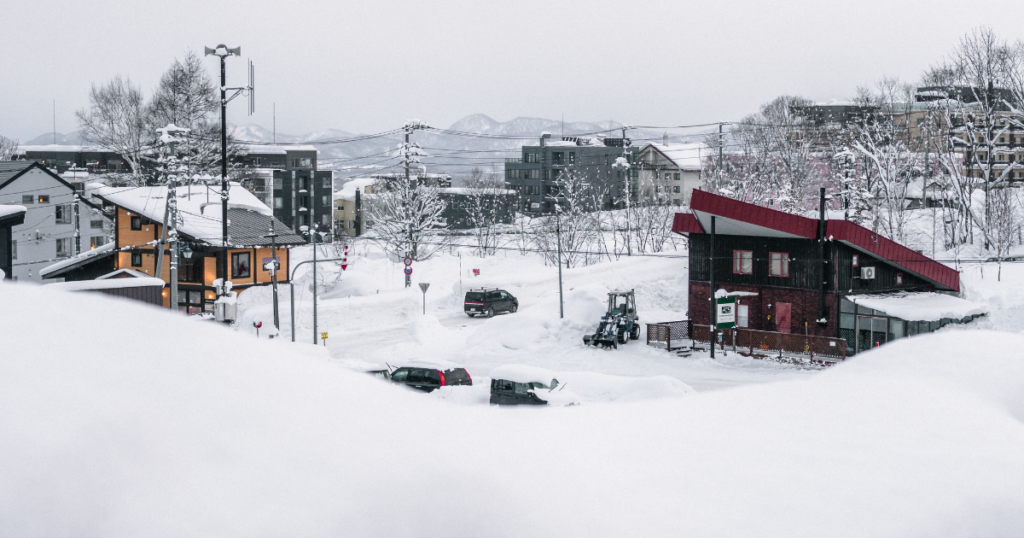
If you ask snowboarders where to find the best powder, the answer is often Niseko. This group of linked resorts on the Japanese island of Hokkaido is famous for deep, light, dry snow that riders call “Japow.” Cold air from Siberia picks up moisture over the Sea of Japan and drops it across the island, and Niseko gets a huge amount of it each winter.
Niseko United is made up of four connected areas on the slopes of Mount Annupuri: Grand Hirafu, Hanazono, Niseko Village, and Annupuri. Together they offer a mix of groomed runs, open slopes, and tree-lined glades, which are among the best natural terrain for snowboarders. Many areas also run night skiing under floodlights, so you can ride after dark.
The off-mountain experience is a big part of Niseko’s appeal. You’ll find excellent ramen shops, izakaya pubs, fresh seafood, and natural hot springs called onsen, where you can soak your legs while snow falls around you. The town has an international feel, but you’re still very much in Japan.
Best Snowboarding Trails and Terrain
Niseko’s best terrain is its tree runs and natural powder fields. Hanazono is popular with snowboarders and has well-regarded terrain parks, while Grand Hirafu offers a wide mix of groomed trails and powder areas. Experienced riders can explore the backcountry beyond the resort boundaries, but this should only be done with a licensed local guide, since avalanche risk is real and access rules are strictly enforced. Beginners can find gentle slopes and a good range of English-speaking lessons.
Tip for riders: Powder shifts quickly, so stay flexible. A fresh snowfall overnight can turn an ordinary day into an unforgettable one.
Best Time to Visit Niseko
The season typically runs from December through March, with the deepest and most reliable powder usually arriving in January and February. Early March often brings longer days and good snow with fewer crowds. Niseko is very popular, especially in peak weeks, so book flights and lodging well in advance.
Best for: Powder lovers, tree riding, travelers who want culture as well as snow.
2. Whistler Blackcomb, Canada: Explore Vast Mountain Slopes

Whistler Blackcomb is widely regarded as the largest ski resort in North America, and for snowboarders it’s close to a playground. With more than 8,000 acres of terrain spread across two mountains, Whistler and Blackcomb, it offers almost every kind of riding you can imagine. The two mountains are linked by the Peak 2 Peak Gondola, which carries you across a deep valley in minutes with views you’ll want to photograph.
The resort has a strong snowboarding culture and a long history of hosting events, and it was a major venue at the 2010 Winter Olympics. The scale of the place means you can ride for a week without repeating a run.
Best Snowboarding Areas
Whistler Blackcomb offers terrain for every level. Beginners can learn on gentle, wide slopes in the lower mountain areas. Intermediates will enjoy long cruising runs and well-groomed trails across both mountains. Advanced riders can head for steep alpine bowls, chutes, and tree runs, and freestyle fans can find terrain parks with jumps, rails, and boxes in a range of sizes, from small learning features to larger lines for experienced riders.
Terrain varies with the season, so check the resort’s trail map and daily report before you set out, and give yourself a few days to explore.
Activities Beyond Snowboarding
Whistler Village is walkable, lively, and full of restaurants, bars, shops, and spas. Between ride days you can try snowshoeing, ice skating, tubing, dog sledding, or a visit to a Scandinavian-style spa. The village’s après-ski scene is one of the best in North America, and it’s easy to find a relaxed place to refuel at the end of the day.
Best for: All levels, mixed groups, terrain parks, long trips.
3. Laax, Switzerland: Discover a Snowboarding Paradise
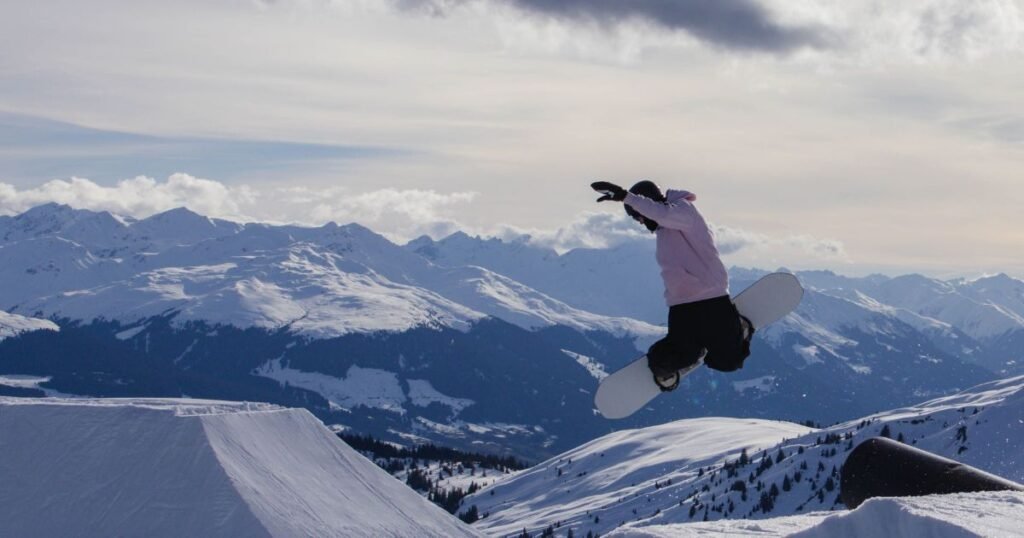
If you love freestyle, Laax deserves a spot at the top of your list. Part of the Flims Laax Falera ski area in eastern Switzerland, it has built a global reputation as one of Europe’s best resorts for snowboarders, and it has hosted major snowboarding events over the years.
Laax is known for its modern approach. The resort invests heavily in its snowparks, its on-mountain facilities, and a youthful, creative culture. There’s a strong focus on progression, with features sized for beginners and for pros, so riders can build their skills step by step.
Snowparks and Freestyle Opportunities
Laax’s freestyle terrain is its biggest draw. The resort runs multiple parks with a range of jumps, rails, boxes, and a halfpipe, with lines graded from beginner to expert. The park crew works hard to keep features in shape, and the setup lets riders choose their level and progress through it. There’s also a strong coaching infrastructure for people who want to learn tricks safely.
Freeriders are well served too. The area has wide-open slopes, off-piste terrain, and views over the Swiss mountains that make every ride feel special.
Who Should Visit Laax?
Laax is ideal for freestyle snowboarders, young riders, groups of friends, and anyone who wants a lively, modern mountain atmosphere. Beginners can also find gentle terrain, and the resort’s ski and snowboard schools make learning easy. If you’d rather have a quiet, traditional village, you may prefer other Alpine resorts, but if you want snow, music, and park laps, Laax is hard to beat.
Best for: Freestyle riders, progression, groups, a social atmosphere.
4. Mammoth Mountain, USA: Enjoy a Long Snow Season
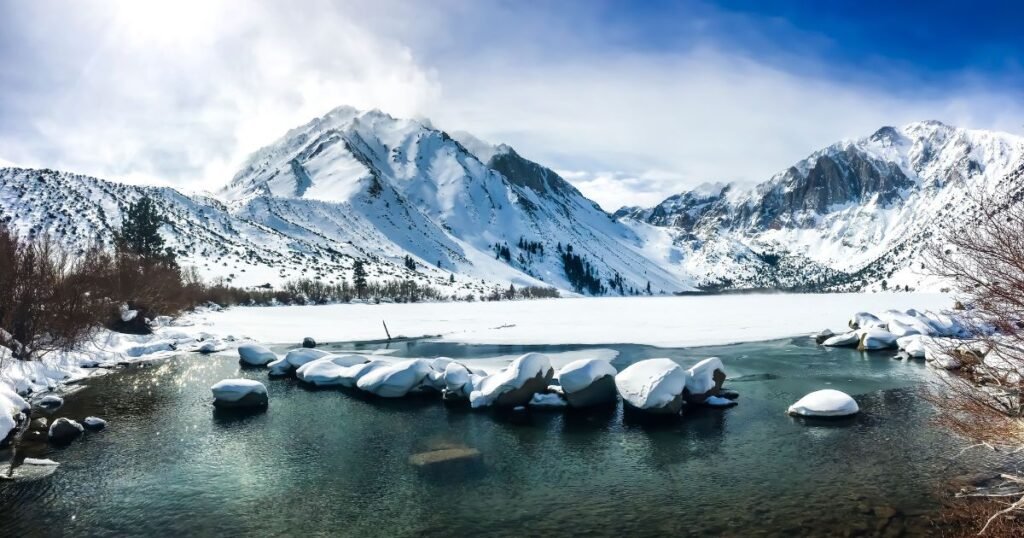
Mammoth Mountain, in California’s Eastern Sierra, is famous for two things: a lot of snow and a long season. Its high elevation and position in the Sierra Nevada mean it regularly receives heavy snowfall, and the resort often stays open well into spring, and sometimes into early summer in big snow years.
The mountain has a laid-back, friendly vibe and a loyal snowboarding following. Its terrain is a mix of long groomers, open bowls, tree runs, and a number of well-regarded terrain parks that attract riders from across the West Coast. Sunny California weather also means that, in spring, you can snowboard in a T-shirt on a warm day.
Best Slopes for Different Skill Levels
Beginners can start on the gentle, wide slopes near the base lodges, where lessons and learning areas are easy to reach. Intermediates will enjoy the long cruising runs that wind down the mountain, with views over the Sierra. Advanced riders can explore steeper terrain, including chutes and bowls near the summit, and the parks offer lines of various sizes for freestyle riders. Check the day’s report, because snow conditions and run openings change often.
When to Plan Your Visit
The winter season typically runs from around November through spring, and deep snow is most common between December and March. Spring, usually April and May, is perfect for soft, sunny riding and a more relaxed atmosphere. Holiday weeks and weekends can be busy, so midweek visits are best if you can manage them. Conditions vary a lot from year to year, so check snow reports before booking.
Best for: Long seasons, spring riding, terrain parks, West Coast road trips.
5. Livigno, Italy: Experience the Italian Alps
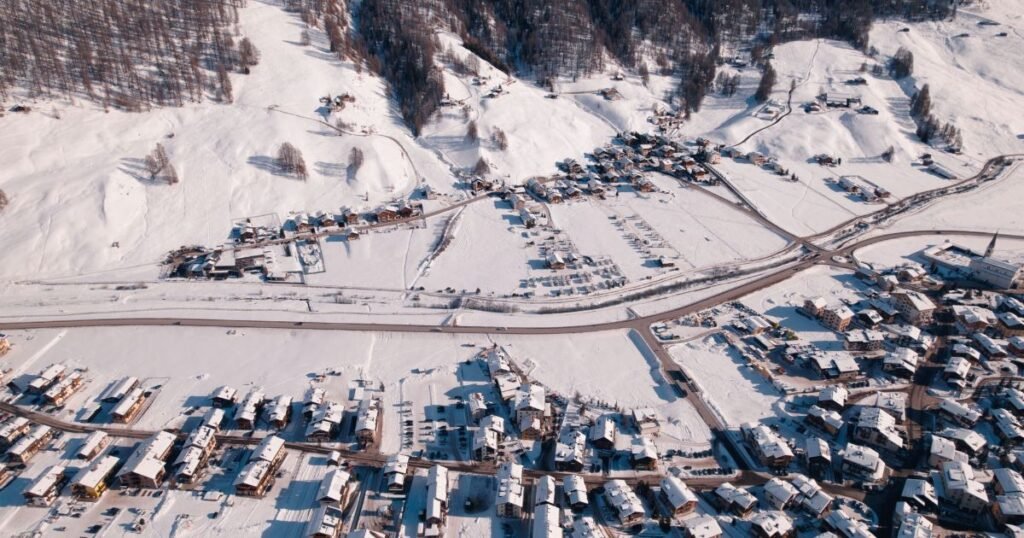
Livigno sits high in the Italian Alps, close to the Swiss border, in a wide valley surrounded by mountains. It’s known as “Little Tibet” because of its altitude and remote feel, and its high elevation gives it a long, reliable season and cold, dry snow.
For snowboarders, Livigno has become a major destination. It’s celebrated for its snowparks, its wide runs, and its lively atmosphere, and it has earned international attention as a venue for freestyle and snowboard events at the 2026 Winter Olympics. The town is also a duty-free zone, which helps keep some costs down, and it has a friendly, relaxed vibe.
Best Snowboarding Areas
Livigno’s slopes are spread across two sides of the valley. The Mottolino area is known for its snowpark and freestyle focus, with features that suit different levels, while the Carosello 3000 side offers wide, open runs and more varied terrain. The wide slopes make it a comfortable choice for beginners and intermediates, and freeriders can explore off-piste terrain with a guide. Because the resort is spread out, take time to learn the lift layout and plan your days around the sun.
Local Experiences and Après-Ski
Livigno is all about the après-ski. After the lifts close, you’ll find lively bars, cozy restaurants serving Italian and Alpine food, and plenty of shops, thanks to the duty-free status. Try regional dishes such as pizzoccheri (buckwheat pasta) and local cheeses, and finish the day with a hot chocolate or an aperitivo. If you’d like to relax, there are also spas and wellness centers in town.
Best for: Freestyle riders, intermediates, après-ski, a relaxed Italian atmosphere.
6. Revelstoke, Canada: Find Thrilling Mountain Adventures
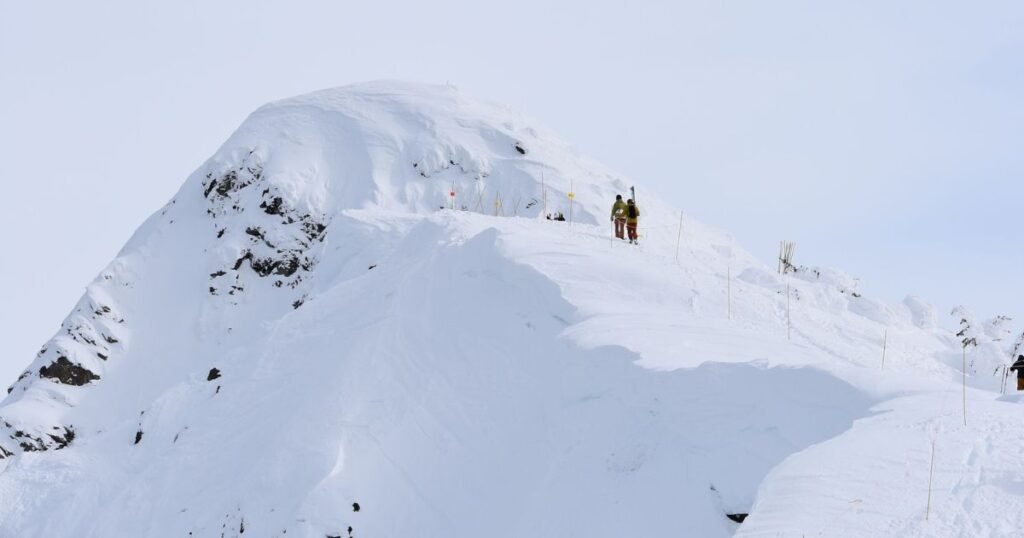
Revelstoke Mountain Resort, in the interior of British Columbia, is a favorite of serious riders. It has the biggest lift-served vertical drop in North America, at roughly 1,700 meters, which gives you long, sustained runs from the summit to the base.
The region gets a lot of snow, and the terrain is steep, varied, and wild. Revelstoke has a quieter, more authentic feel than some of Canada’s bigger resorts, and its small-town character is part of the charm. It’s also a hub for heli-skiing and cat-skiing, where you reach remote terrain by helicopter or snowcat with a guide.
Terrain for Experienced Snowboarders
Revelstoke is best for confident intermediate and advanced riders. You’ll find steep chutes, alpine bowls, glades, and long groomed runs, plus the opportunity to ride powder in the trees on stormy days. The sheer length of the runs means your legs will feel it, so build up fitness before you go. Beginners can find easier terrain near the base, but the resort is at its best for those who want a challenge.
Important Safety Tips
Big terrain demands good judgment. Check the avalanche forecast and weather conditions every day, and stay within marked boundaries unless you’re traveling with a qualified guide. If you plan to ride backcountry or off-piste terrain, carry the right safety gear, including a transceiver, shovel, and probe, and know how to use them. Never ride alone in avalanche terrain, tell someone where you’re going, and turn back if conditions change. Hiring a local guide is one of the best investments you can make.
Best for: Advanced riders, big vertical, powder, heli and cat adventures.
7. Cardrona, New Zealand: Snowboard in the Southern Hemisphere
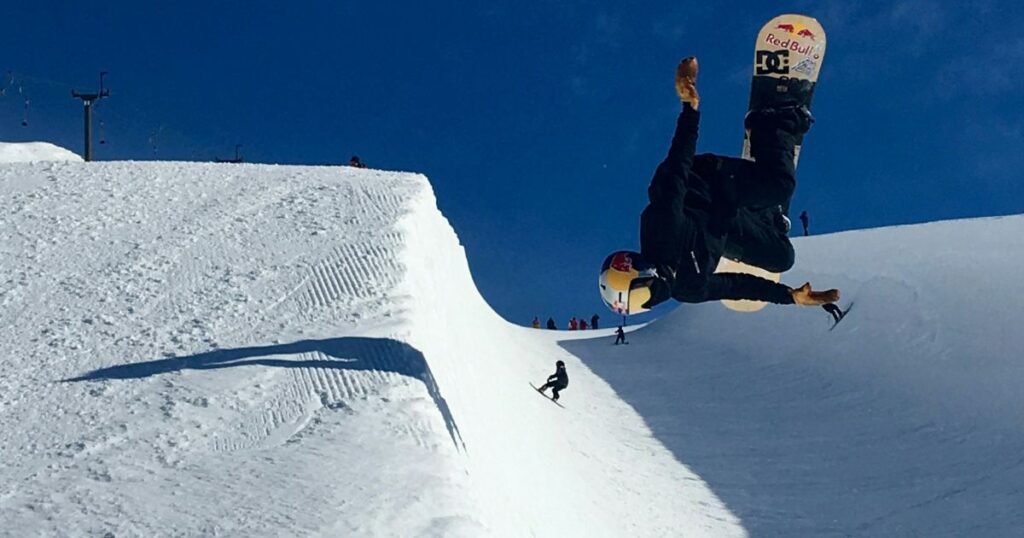
When the northern hemisphere is in summer, the South Island of New Zealand is in the middle of winter. Cardrona Alpine Resort, near the lakeside town of Wanaka, is one of the country’s most popular snowboarding destinations. It’s known for its excellent parks, friendly atmosphere, and views over the Southern Alps.
Cardrona has a strong reputation among freestyle riders and has hosted high-level competitions, including events that draw top riders from around the world. At the same time, it’s welcoming to beginners and families, with wide, gentle slopes and a well-organized learning area.
Best Snowboarding Terrain
The resort is spread across a wide basin with a good mix of terrain. Beginners can enjoy gentle slopes and dedicated learning areas, intermediates have long, rolling cruising runs, and advanced riders can find steeper terrain and bowls. The terrain parks are a highlight, with features ranging from small, progression-friendly lines to larger jumps and rails, plus a halfpipe in good conditions. Snow conditions vary with the weather, so check the resort’s daily report.
Best Time to Visit Cardrona
The season usually runs from about June to October, with July and August generally offering the best snow. Spring, in September and early October, can bring sunny days and soft snow, which is perfect for relaxed riding and park laps. Wanaka and nearby Queenstown also offer plenty of off-mountain fun, including lakeside walks, adventure sports, and excellent food and wine.
Best for: Summer-season riding, freestyle, beginners, scenery.
How to Choose the Best Places in the World for Snowboarding
With so many great options, it helps to think about what you want from your trip. A few key questions will narrow the list quickly:
- What’s your riding style? Freestyle riders will love Laax, Livigno, and Cardrona. Powder chasers should look at Niseko and Revelstoke. All-rounders will enjoy Whistler Blackcomb and Mammoth.
- What’s your skill level? Match the terrain to your ability today, not your ambitions, and you’ll enjoy every day more.
- When can you travel? Your dates may decide the destination. Northern-hemisphere resorts are best from December to March, while New Zealand is best from June to October.
- What’s your budget? Flights, lift tickets, lodging, and food vary widely between regions.
- What do you want off the mountain? Nightlife, hot springs, spa days, scenery, or a quiet escape.
Best Places in the World for Snowboarding Beginners
Learning to snowboard is easier with the right mountain. Look for resorts with gentle, wide slopes, dedicated learning areas, reliable lifts that are easy for beginners to use, and strong snowboard schools with English-speaking instructors.
Several destinations on this list are great for first-timers. Whistler Blackcomb has a wide range of beginner terrain and well-organized lessons. Cardrona has gentle slopes and a friendly learning area, which makes it popular with new riders and families. Mammoth Mountain offers easy slopes near the base and a relaxed atmosphere, and Livigno’s wide, open runs give beginners room to build confidence. Laax also has beginner terrain and snowparks with small features that suit riders who are just starting to explore freestyle.
A few tips will speed up your progress. Take a lesson, even if it’s only a half-day, because a good instructor can save you days of frustration. Rent a board and boots that fit well, and ask the shop to adjust the bindings for your stance. Wear wrist guards and a helmet, dress in waterproof layers, and take breaks. Falling is part of learning, so don’t be discouraged.
How to Choose a Resort for Your Skill Level and Budget
Once you know your level, check how each resort’s terrain breaks down. Most resorts publish the share of beginner, intermediate, and advanced runs, and that’s a good clue. If you’re a beginner or intermediate, a resort with lots of green and blue runs will be more fun than one dominated by steep terrain. If you’re advanced, look for steep chutes, big vertical, and good off-piste access.
For budget, think about the whole trip. Flights and lodging often cost more than lift tickets, so consider the following:
- Travel in off-peak weeks. Early January and late-season dates are usually cheaper and quieter than holiday periods.
- Look at multi-day passes. Buying several days at once often reduces the daily price.
- Stay a little away from the lifts. A hotel or apartment a short shuttle ride away can cost much less.
- Cook some meals. Self-catering a few breakfasts and dinners can add up to real savings.
- Check what’s included. Some resorts and packages bundle lessons, rentals, and lift passes.
Essential Tips for Planning Your Snowboarding Trip
A bit of planning goes a long way. These tips will help you avoid common mistakes.
1. Book early. Flights, lodging near the slopes, and lessons fill up quickly, especially for holiday weeks and popular powder destinations like Niseko.
2. Check the snow. Conditions vary from year to year. Look at snow reports and forecasts as your dates approach, and keep your plans flexible when possible.
3. Dress in layers. Wear a moisture-wicking base layer, an insulating middle layer, and a waterproof outer shell. Good gloves, warm socks, goggles, and a helmet matter more than almost any other gear.
4. Rent or bring your own. Beginners are usually better off renting, which also saves the hassle of flying with gear. If you ride regularly, your own boots and bindings are worth considering, since fit and comfort matter most.
5. Get fit before you go. Snowboarding works your legs, core, and balance. A few weeks of squats, lunges, planks, and cardio can reduce fatigue and the risk of injury.
6. Buy travel insurance. Choose a policy that covers winter sports, medical treatment, and trip interruptions. If you plan to ride off-piste or in the backcountry, check that your policy includes it.
7. Respect the mountain. Follow the rules of the slopes, stay in control, and be aware of other riders. Check weather and avalanche conditions each day, and hire a qualified guide for off-piste or backcountry riding.
8. Protect yourself from the elements. The sun at altitude is strong, and cold wind can be harsh. Wear sunscreen and lip balm, and keep your face and hands covered in extreme cold.
9. Pace yourself. Altitude, cold, and long days are tiring. Drink water, take breaks, and stop early if you’re worn out. Most injuries happen when riders are tired.
10. Leave room for the rest of the trip. Some of the best memories come from what happens off the slopes, such as local food, a hot spring soak, a village walk, or dinner with friends.
FAQ:
What are the best places in the world for snowboarding?
Top destinations include Niseko in Japan, Whistler Blackcomb in Canada, Laax in Switzerland, Mammoth Mountain in the USA, Livigno in Italy, Revelstoke in Canada, and Cardrona in New Zealand. The best choice depends on your riding style, skill level, budget, and travel dates.
Where is the best place in the world for powder snowboarding?
Niseko, on Japan’s island of Hokkaido, is famous for deep, light powder. Revelstoke in British Columbia also gets a lot of snow and has excellent tree and alpine terrain.
Which is the best snowboarding destination for beginners?
Look for gentle slopes, learning areas, and good snowboard schools. Whistler Blackcomb, Cardrona, Mammoth Mountain, and Livigno are all popular with first-time riders.
Which resort is best for freestyle snowboarding?
Laax in Switzerland, Livigno in Italy, and Cardrona in New Zealand are known for their snowparks and freestyle culture. Whistler Blackcomb and Mammoth Mountain also have well-regarded terrain parks.
When is the best time to go snowboarding?
In the northern hemisphere, the main season runs from roughly December to March, and January and February often have the best powder. In New Zealand, the season usually runs from about June to October.
Where can I snowboard in summer?
Cardrona and other South Island resorts in New Zealand are popular choices, since their winter falls during the northern summer. Mammoth Mountain, in California, sometimes stays open into early summer in big snow years.
Is it better to snowboard in Europe, North America, or Japan?
Each offers something different. Europe has varied terrain, great snowparks, and strong après-ski culture. North America has huge resorts, long seasons, and dependable infrastructure. Japan is famous for powder and unique food and culture. Your best option depends on what you value most.
How much does a snowboarding trip cost?
Costs vary widely by destination and season. Flights, lodging, lift tickets, rentals, lessons, and food all add up, and peak holiday weeks cost the most. Booking early and traveling in off-peak periods can save you money.
Should I rent or buy snowboarding gear?
Beginners and occasional riders usually do better renting. If you ride often, buying your own boots is a smart first step, since a good fit makes a big difference to comfort and control.
Is travel insurance necessary for a snowboarding trip?
It’s strongly recommended. Choose a policy that covers winter sports, medical treatment, and trip interruptions, and check whether it includes off-piste or backcountry riding if you plan to leave marked runs.