
The Ultimate Guide to USA Fall Travel: 7 Breathtaking Autumn Getaways
Explore USA Fall Travel with 7 breathtaking autumn getaways, scenic drives, colorful hikes, and cozy escapes for an unforgettable seasonal adventure today.
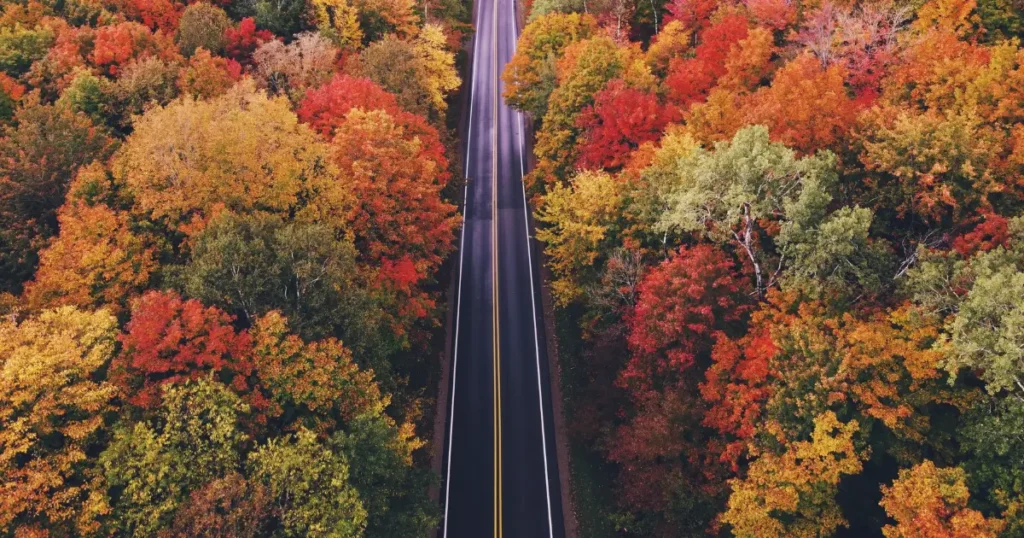
As crisp air arrives, leaves turn gold and crimson across the country’s scenic landscapes. USA Fall Travel offers comfortable weather and quieter attractions before winter’s chill arrives.
Choose the misty peaks of Appalachian forests or New England’s iconic villages. Southern Utah offers dramatic red-rock views for travelers seeking a fresh view of the changing landscape.
This guide highlights seven incredible destinations for your next adventure. We compare peak times for fall foliage, suggest top autumn road trips, and share local culture and outdoor activity tips. These insights help you master your USA Fall Travel plans with ease and confidence.
USA Fall Travel Planning Essentials
Successful autumn travel planning helps create a stress-free vacation. Regional geography shapes the landscape and helps you plan more outdoor time. Good preparation means less worry about logistics and more time enjoying crisp air.
When fall foliage typically peaks across the United States
Peak leaf timing changes with latitude and elevation. In northern regions like New England, brilliant fall colors usually appear from late September through mid-October. Farther south or at lower elevations, peak color often arrives in late October or early November.
Check a reliable fall foliage forecast to choose travel dates. Early frosts or dry summers may shift peak periods by one or two weeks. Review local forestry reports before you finalize bookings.
How to balance colorful scenery, pleasant weather, and smaller crowds
Balancing colorful scenery, pleasant weather, and smaller crowds can be difficult. Many travelers choose the shoulder season, just before or after the peak. This choice often brings shorter lines at popular parks and more availability for scenic drives.
Popular destinations may close roads as winter approaches. High-altitude routes often close after the first significant snowfall. A flexible itinerary helps you change plans when weather conditions shift.
What to pack for changing autumn temperatures
Smart fall travel packing focuses on versatile clothing. Temperatures can change sharply between a sunny afternoon and a chilly mountain evening. Dressing in layers helps you stay comfortable all day.
Consider packing these items:
- Lightweight, moisture-wicking base layers
- A warm, insulated jacket for cold mornings
- Comfortable walking shoes or hiking boots
- Sunglasses and sunscreen for high-altitude glare
- A pair of lightweight gloves for brisk evenings
Great Smoky Mountains National Park, Tennessee and North Carolina
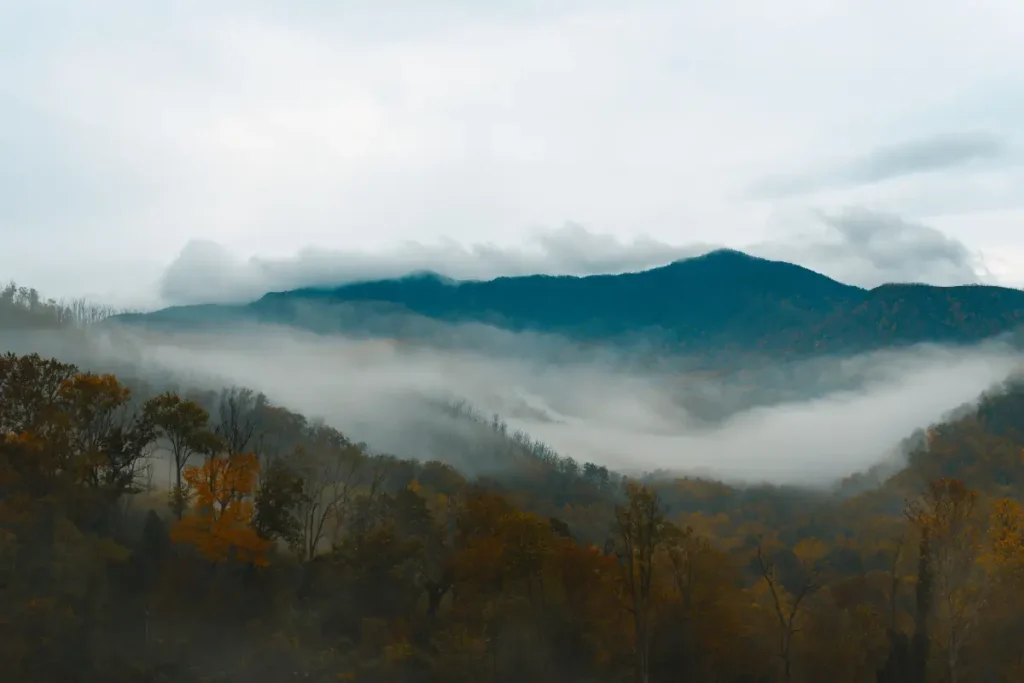
Few places capture fall like the Great Smoky Mountains, one of the most visited national parks in fall. This massive wilderness offers a Southern choice for travelers seeking crisp air and bright forests. The region feels both rugged and welcoming.
Why the Smokies deliver one of the longest fall-color seasons
The long season comes from the park’s sharp elevation changes. Colors start shifting on the highest peaks in early October and slowly reach the valleys by early November.
This longer window gives you more flexibility when planning your trip. Still, higher elevations may face sudden cold snaps. Check for possible road closures on high-altitude routes before leaving each day.
Autumn activities beyond leaf-peeping
Scenery draws visitors, but the area offers many ways to stay active. Explore hundreds of miles of trails, from easy strolls to challenging mountain climbs.
After a long trail day, local culture offers a warm reward. Try these popular activities during your visit:
- Sampling local craft beers at mountain-side breweries.
- Visiting regional cideries for fresh, seasonal pressed drinks.
- Exploring the vibrant food scene in nearby mountain towns.
- Enjoying live music and local Appalachian crafts.
Where to stay and how to plan a scenic loop
Asheville makes an excellent home base for your adventure. The city has an artsy vibe and many dog-friendly lodging options for travelers with pets.
To see the best of the Great Smoky Mountains, plan a scenic loop connecting the park’s main entrances. Start early to beat crowds and find parking at popular trailheads. Balance quiet forest roads with local town centers for the best Southern autumn experience.
Vermont’s Green Mountains
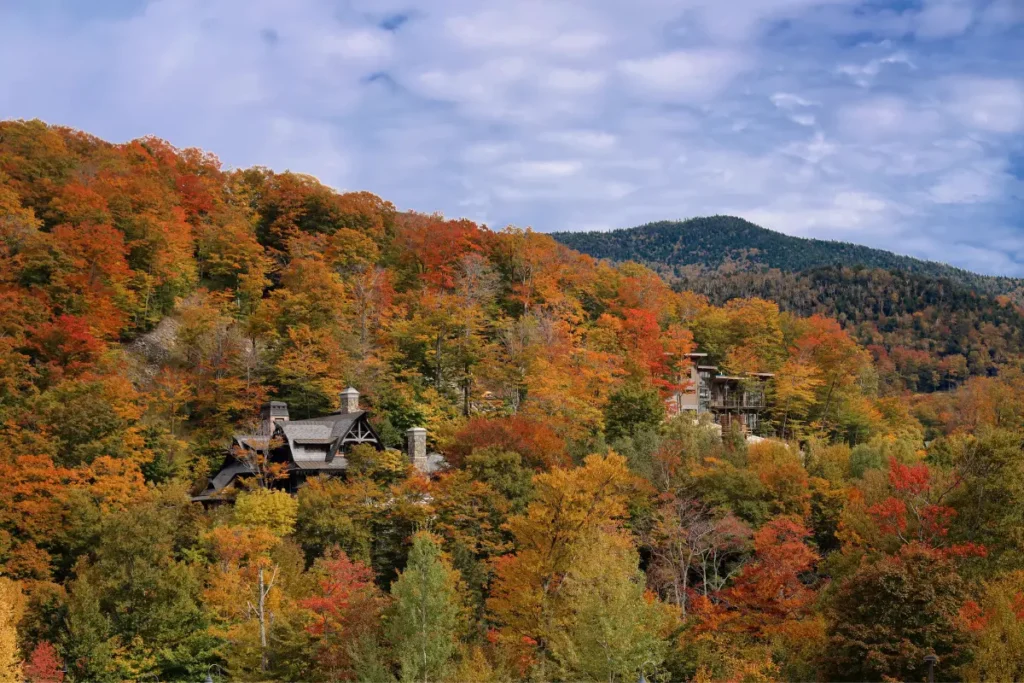
When crisp air arrives, the Green Mountains become a bright tapestry of gold and crimson. This region forms the heart of a classic New England fall and offers a peaceful retreat into nature. Rolling hills, historic covered bridges, and charming village centers define its timeless landscape.
The charm of small towns and quiet back roads
Driving through the countryside reveals Vermont’s true character. You can spend days on winding back roads leading to hidden farm stands and local artisan shops. These routes offer excellent views of Vermont fall foliage, away from busy highways.
Stop at local markets to sample the region’s famous harvest offerings. Prioritize these seasonal treats during your visit:
- Freshly pressed apple cider
- Warm, cinnamon-dusted apple cider donuts
- Pure Vermont maple syrup and sugar candies
- Locally sourced artisanal cheeses
Outdoor adventures among the autumn colors
Beyond scenic drives, the mountains invite you outside to breathe the cool air. Hiking trails range from gentle paths through golden forests to challenging climbs with wide canopy views. Many visitors feel that walking through the woods connects them more deeply with the changing season than driving.
If you prefer a slower pace, rent a bicycle to explore the valley floors. You can also visit local orchards and pick apples among the trees’ brilliant colors. These activities let you fully enjoy the beauty of the fall foliage.
Essential tips for a successful road trip
Planning a trip to this region requires flexibility. Peak color arrives at different times in the northern and southern parts of the state. Monitor regional reports closely to follow the best colors across the landscape.
Keep these practical considerations in mind for a smooth journey:
- Check local foliage trackers before you depart.
- Book your accommodations well in advance for peak weekends.
- Pack layers, as temperatures can drop quickly once the sun sets.
- Keep your gas tank full when exploring remote mountain roads.
White Mountains, New Hampshire
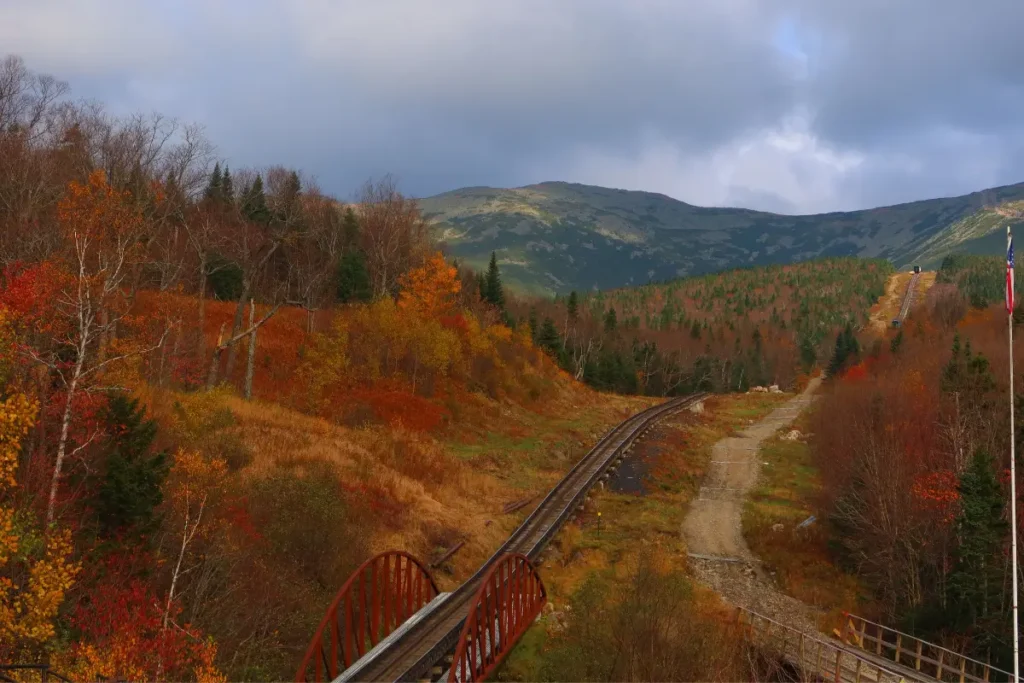
Each autumn, New Hampshire’s White Mountains become a masterpiece of gold and crimson. Expansive ridgelines, thick forests, and dramatic overlooks attract visitors from around the world.
Nature lovers will find rugged terrain that creates a perfect backdrop for a seasonal escape. Crisp mountain air and the landscape’s vast scale make this region ideal for outdoor lovers.
Why New Hampshire is a top destination for dramatic fall landscapes
The White Mountains New Hampshire region stands out because of its unique elevation changes. Different heights create many colors that appear at various times during fall.
You will find deep valleys filled with sugar maples and high ridges covered in hardy evergreens. Bright leaves contrast with dark, lasting pines, creating a rare visual experience.
Memorable ways to experience the White Mountains
One iconic way to enjoy the area is through its famous scenic drives. The Kancamagus Highway winds through the heart of the White Mountain National Forest and remains a must-see route.
Beyond scenic drives, these activities let you experience the scenery:
- Hiking to high-altitude viewpoints for panoramic vistas.
- Capturing early-morning photography when the light hits the mist in the valleys.
- Exploring local mountain towns that offer cozy lodging and warm hospitality.
How to avoid traffic and make the most of peak foliage
Careful planning helps you enjoy fall foliage without the stress of heavy crowds. Popular spots often become busy on weekends, so visit mid-week whenever possible.
Reach popular trailheads or overlooks early to beat the rush. Always check the latest regional reports to track leaf progress, ensuring you arrive when colors are most vibrant.
Blue Ridge Parkway and Asheville, North Carolina
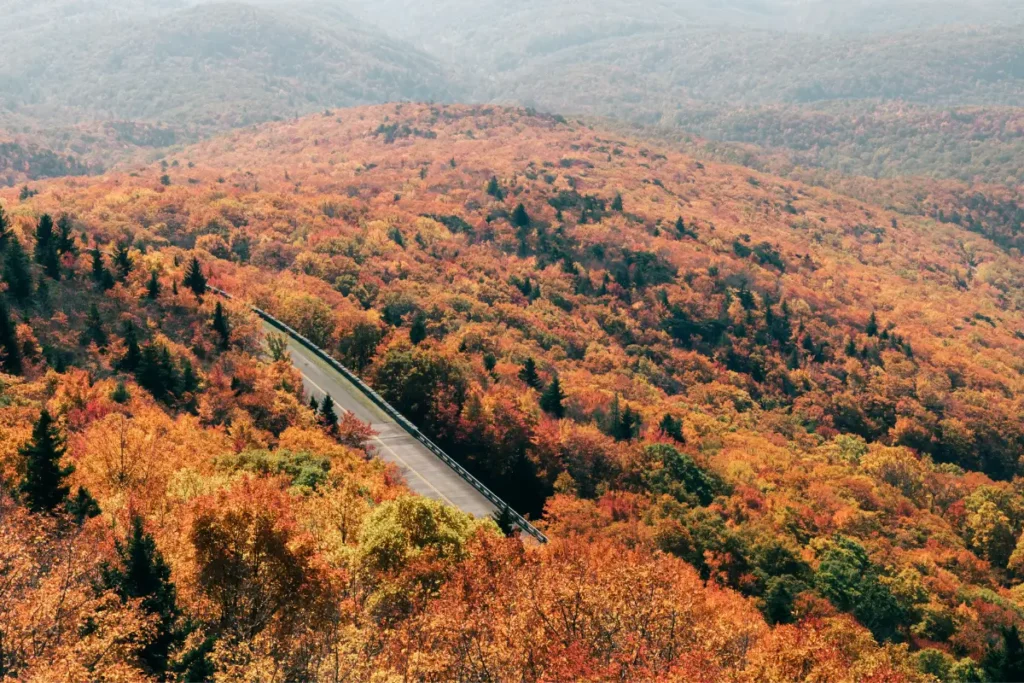
Set in the Blue Ridge Mountains, Asheville blends culture with natural beauty. This lively city makes a strong home base for exploring the winding Appalachian range. From here, travelers can reach some of the country’s best scenic drives.
Where Appalachian scenery meets arts, food, and mountain culture
The region is known for deep mountain roots and a lively modern arts scene. Cool autumn air adds charm to local galleries and craft studios. After viewing the golden canopy, enjoy an easy evening in this creative city.
Local food is as impressive as the surrounding peaks. Farm-to-table restaurants feature a range of regional ingredients. Quiet bistros and lively taverns offer a warm welcome to every traveler.
Things to do in Asheville between scenic excursions
When you leave the Blue Ridge Parkway, Asheville offers plenty of indoor and outdoor fun. Visit historic estates or explore downtown art districts. Here are a few ways to fill your itinerary:
- Tour the historic Biltmore Estate and its expansive gardens.
- Sample local craft beers at one of the many award-winning breweries.
- Explore the River Arts District to watch local artists at work.
- Visit a nearby cidery to taste fresh, seasonal apple beverages.
Planning for weather, road closures, and elevation changes
Successful Asheville fall travel requires attention to the area’s unique geography. Elevation changes can make temperatures drop quickly as you climb into the mountains. Pack layers to stay comfortable during outdoor adventures.
Before driving the Blue Ridge Parkway, check the road’s official status. High winds or early frost may close higher sections temporarily. Stay informed so your scenic drives remain safe and enjoyable.
Planning Asheville fall travel helps you focus on stunning views, not logistics. Monitor local weather reports and adjust plans to avoid the coldest conditions. That flexibility helps you enjoy this beautiful mountain destination.
Hudson Valley, New York
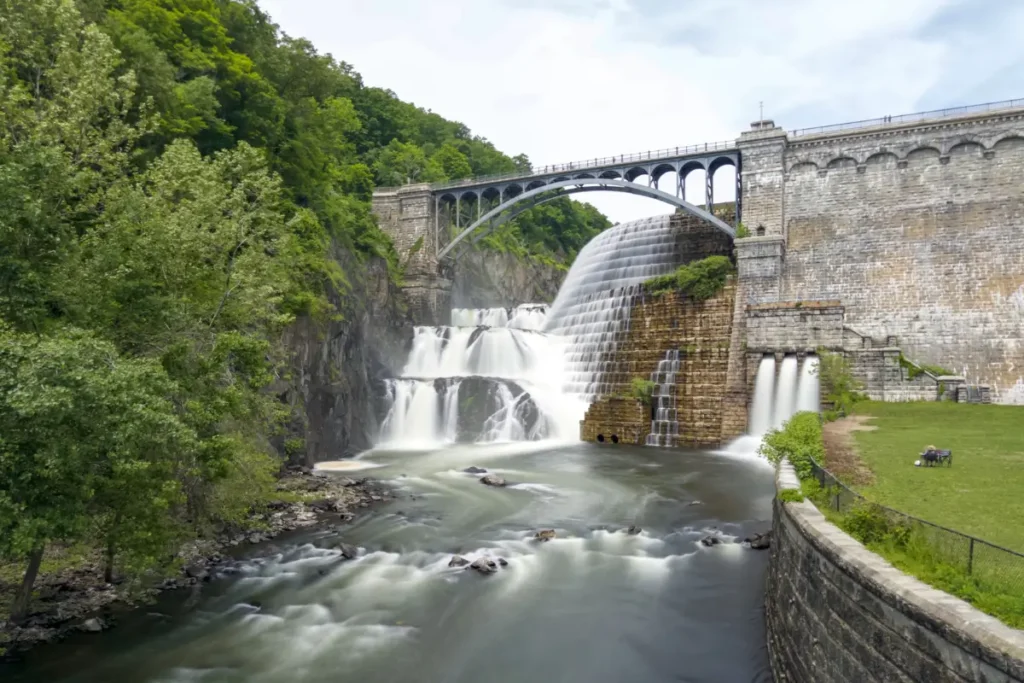
Just north of New York City, the Hudson Valley becomes a golden paradise each fall. This region offers an easy escape with historic charm and stunning river views. Find quiet country roads, lively local culture, and a refreshing change of pace.
Why the Hudson Valley is perfect for a relaxed autumn escape
The Hudson Valley fall season blends art, food, and natural beauty. Unlike rugged mountain destinations, this area supports a slower travel pace. Spend mornings hiking gentle trails, then explore world-class galleries or farm-to-table restaurants.
Colorful landscapes last from October through mid-November, giving visitors a long viewing window. This timing helps travelers avoid peak foliage crowds elsewhere. Relaxed surroundings invite you to linger over coffee or enjoy a scenic river drive.
Best seasonal experiences near Beacon, Kingston, and Rhinebeck
Each valley town has a distinct personality that adds depth to your visit. You can spend a full day in each place and enjoy its local atmosphere.
- Beacon: Visit the Dia Beacon art museum and walk along the scenic waterfront.
- Kingston: Explore the historic Stockade District and enjoy the local boutique shops.
- Rhinebeck: Experience the charming village center known for its excellent dining and seasonal festivals.
- Outdoor Walks: Take advantage of the many riverside parks that offer crisp air and vibrant leaves.
How to create a weekend itinerary from New York City
Planning an autumn road trip itinerary is easy because the region lies close to the city. Drive north on Friday afternoon to beat weekend traffic. Stay in one central town, or move between towns to see more of the valley.
Spend Saturday exploring galleries and shops in Beacon and Kingston. Enjoy Sunday brunch in Rhinebeck before heading home. This balanced plan shows the region’s best sights without making you feel rushed.
Upper Peninsula, Michigan

Far from crowded tourist trails, the Michigan Upper Peninsula offers a calm setting for fall adventures. This vast region suits travelers who prefer deep forests, broad lakeshores, and dramatic waterfalls over busy attractions. It invites visitors to disconnect and experience the raw beauty of the northern wilderness.
What makes Michigan’s Upper Peninsula a peaceful fall getaway
The Michigan Upper Peninsula draws visitors with its isolation and natural grandeur. Along Lake Superior, untouched shoreline meets crisp autumn air and crashing waves. Unlike commercialized destinations, its slow pace lets you enjoy changing landscapes without heavy crowds.
Best places to see vibrant foliage and rugged scenery
Northern colors arrive early and change quickly, much like golden aspens in high-altitude mountain regions. Peak color lasts briefly, so plan your visit carefully for the best views. Consider adding these iconic spots to your itinerary:
- Pictured Rocks National Lakeshore for stunning cliffside views.
- Tahquamenon Falls to see the famous amber-colored water surrounded by maples.
- Keweenaw Peninsula for a rugged, winding drive through dense forest canopy.
- Porcupine Mountains Wilderness State Park for expansive, elevated vistas.
Road-trip considerations for a remote northern destination
Exploring the Michigan Upper Peninsula takes careful planning because this destination is remote. Allow extra driving time because towns can stand far apart. Keep your gas tank full, and book lodging early to secure a place to stay.
Cell service can be spotty in deep woods, so download offline maps for safety. Stay flexible and keep a backup plan to enjoy this northern escape, no matter how quickly leaves turn.
Zion National Park and Southern Utah
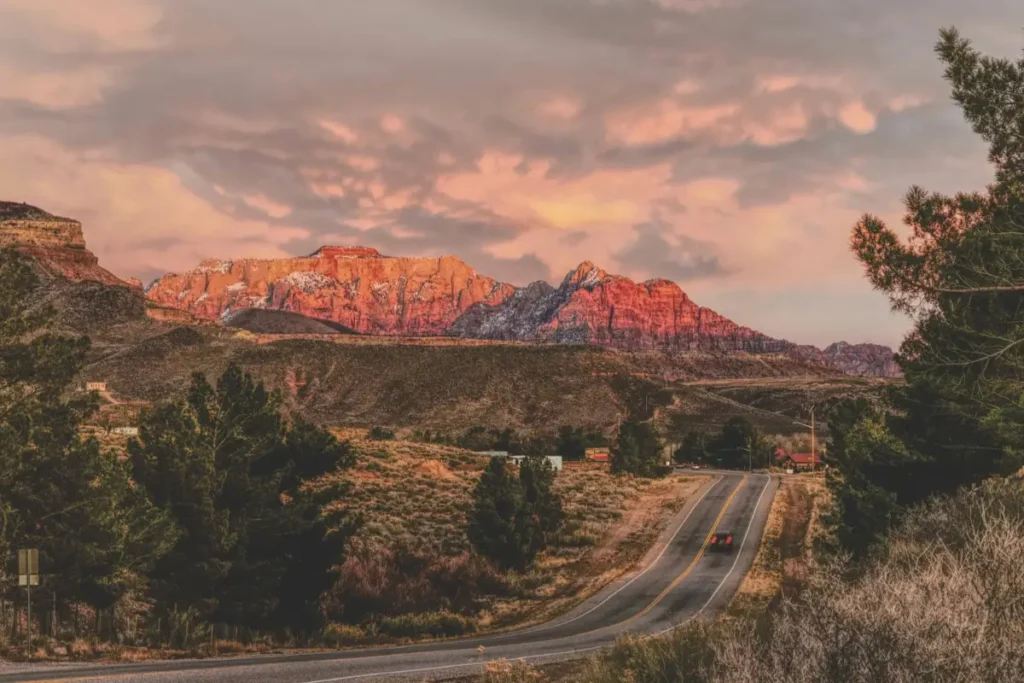
Autumn transforms Southern Utah’s rugged red-rock landscapes into a photographer’s dream. As intense summer heat fades, canyon walls glow with soft, golden light, making each vista feel new. Many consider this the best season for comfortable temperatures and clear, crisp air.
How autumn transforms Utah’s red-rock landscapes
Seasonal change brings special beauty to the region’s river corridors and high cliffs. Cottonwood trees along the Virgin River turn bright yellow and orange against deep red sandstone. Cooler air makes Southern Utah hiking ideal, allowing longer treks without extreme desert heat.
Many travelers find that Zion National Park autumn visits feel peaceful, unlike the busy summer months. Lower temperatures make strenuous trails easier for the average hiker. Soft light lasts longer, making it ideal for capturing the canyons’ dramatic scale.
Combining Zion with nearby autumn attractions
Because the region is vast, many visitors create a loop with other iconic sites. Exploring multiple national parks in fall lets you see the Colorado Plateau’s diverse geology in one trip. Consider adding these nearby destinations to your itinerary:
- Bryce Canyon National Park for its unique hoodoos and high-altitude crispness.
- Capitol Reef National Park to enjoy the historic orchards during harvest season.
- Grand Staircase-Escalante for remote, rugged wilderness experiences.
- Scenic Byway 12, often cited as one of the most beautiful drives in the United States.
Important shuttle, reservation, and weather planning details
Proper preparation is essential for visiting Zion National Park autumn landscapes. Weather is usually pleasant, but desert conditions can change quickly. Check local forecasts before crossing exposed terrain, because flash floods remain a fall risk.
Keep these logistical tips in mind for a smooth trip:
- Check the current shuttle schedule, as service may change based on the time of year.
- Secure any necessary permits or reservations for popular hikes well in advance.
- Start your days early to maximize daylight hours, which grow shorter as winter approaches.
- Carry plenty of water, as the dry desert air can lead to rapid dehydration.
Planning ahead lets you enjoy the best of Southern Utah hiking and the desert’s seasonal charm. Whether you are a seasoned adventurer or casual sightseer, these national parks in fall offer an unforgettable experience.
How to Choose the Best Fall Getaway for Your Travel Style
Your ideal fall getaway is waiting, but the best choice depends on your travel style and the landscape. First, identify your main goals to narrow the many choices across the United States. Choose relaxation, physical activity, or cultural immersion for your autumn journey.
Best destinations for a classic leaf-peeping road trip
For a classic autumn experience, head to the Northeast. New England remains the gold standard for bright foliage and charming, historic scenery.
- Vermont offers iconic covered bridges and winding back roads.
- New Hampshire provides dramatic mountain backdrops for your drive.
- Maine delivers a unique coastal perspective on changing leaves.
Best autumn escapes for hiking and outdoor adventure
Active travelers should choose regions with large trail networks. National parks in fall offer cool weather and rugged terrain to explore.
Zion and other western parks pair red rocks with golden cottonwood trees. They suit travelers who enjoy active days and quiet evenings under the stars.
Best choices for food, culture, and small-town experiences
Travelers who prefer a slower pace may enjoy the Hudson Valley or Asheville. Both offer comfort, exploration, lively food scenes, and local art galleries.
Spend mornings at farmers’ markets and afternoons touring historic estates. These regions offer a polished way to enjoy fall without hiking miles through wilderness.
Best destinations for couples, families, and solo travelers
Your choice often depends on who joins you on the road. Couples may prefer a romantic, quiet boutique inn in a small town.
Families often find that national parks in fall balance education and outdoor play for children. Solo travelers often enjoy mountain towns, where they can meet locals and fellow adventurers.
Building a Smooth Autumn Road Trip Itinerary
A strong autumn road trip itinerary blends careful research with a spirit of adventure. Plan logistics early so you can enjoy bright landscapes instead of worrying about closures or missing peak colors.
How to match your route with regional foliage forecasts
Your trip often depends on matching your arrival with the local fall foliage forecast. Foliage maps help predict when trees will show their brightest gold and crimson shades.
Map your route in the direction of the changing colors. If northern regions peak early, start there and move south as the season progresses.
When to schedule scenic drives, hikes, and indoor activities
Effective autumn travel planning balances your daily schedule to make the most of daylight. Reserve mornings for scenic drives, photography, and hiking, when light is soft and wildlife is most active.
When afternoon light fades, choose indoor activities like local museums, historic downtowns, or a cozy meal at a regional restaurant. This plan lets you enjoy the outdoors while staying comfortable during cooler evenings.
How to account for limited daylight and changing mountain weather
Mountain weather can shift quickly, so proper fall travel packing is critical. Bring layers, including a waterproof jacket and warm base layers, for sudden temperature drops at higher elevations.
Remember that the sun sets earlier during autumn. Reach your lodging before dark to avoid winding mountain roads in low visibility.
Ways to keep a flexible backup plan during peak season
Even the best autumn road trips may face heavy traffic or sudden road closures. A flexible mindset helps you change plans when your main destination becomes crowded or inaccessible.
Use these strategies to keep your journey stress-free:
- Research secondary scenic routes that offer similar views without the heavy traffic.
- Identify alternative lodging options in nearby towns if your first choice is fully booked.
- Check local social media or park websites daily for real-time updates on trail conditions.
- Keep a list of “rainy day” activities to ensure you have fun regardless of the weather.
Conclusion
Your next adventure awaits in the vibrant landscapes of the United States. USA Fall Travel offers something for every explorer, from quiet mountain trails to charming historic towns.
Plan around your interests and the timing of changing seasons. Choose the Southwest for dramatic red-rock vistas or the Northeast for dense, colorful forests. Each region creates a unique setting for seasonal memories.
Check regional foliage forecasts so your trip matches peak colors. Pack layers for changing temperatures throughout the day. Start each morning early to avoid crowds and find the best light for photos.
Keep your itinerary flexible for spontaneous discoveries along the way. A thoughtful plan can deepen your connection with nature across the country. Map your USA Fall Travel plans today and experience the season’s magic firsthand.