
Best Belgium Cities and Landmarks
Explore Belgium Cities and Landmarks, from Brussels to Bruges, with tips on historic sites, scenic streets, and must-see attractions for your trip today.
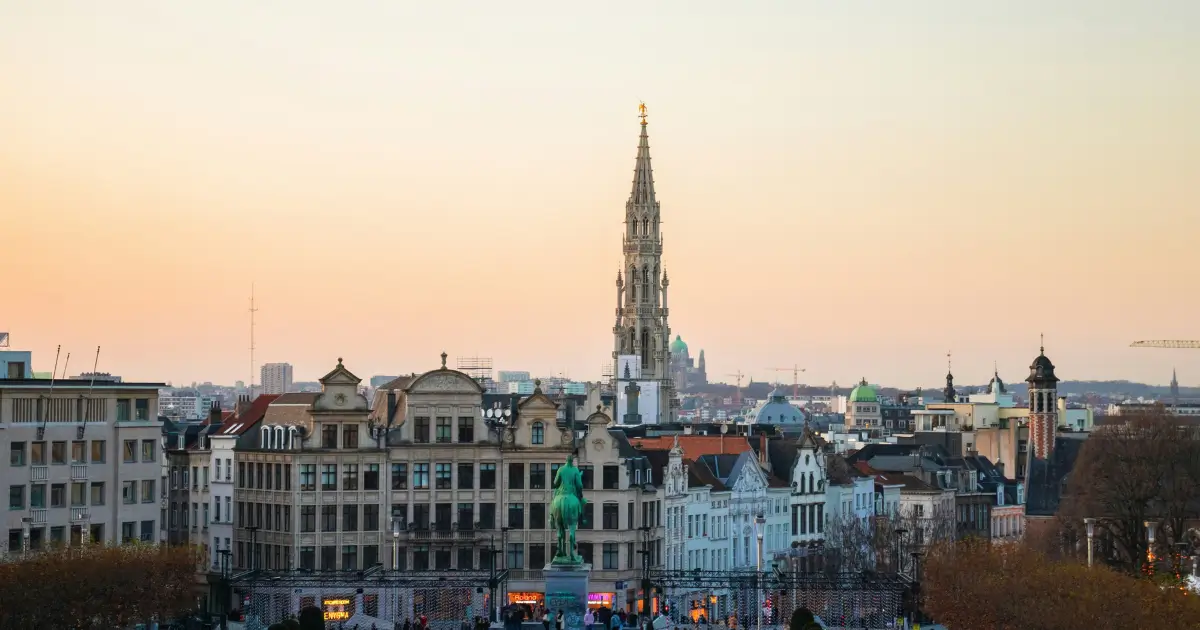
Travelers visiting Europe often discover hidden gems in this compact nation. It suits people who love medieval architecture, winding waterways, and world-class chocolate. The best cities in Belgium blend history, culture, and lively local life.
Our guide explores iconic Belgium Cities and Landmarks that shape the region. Grand squares in Brussels and fairy-tale canals in Bruges offer distinct experiences. You can also explore historic streets in Ghent, Antwerp, Leuven, Mechelen, Liège, Dinant, or Namur.
Enjoy famous local beer while visiting historic castles or museums. We designed this resource to help you compare destinations and build a practical itinerary. It captures the true spirit of these famous Belgium landmarks and starts your getaway, whether you seek art or relaxation.
Belgium Cities and Landmarks: How to Choose the Best Places to Visit
Belgium offers historic cities and stunning landmarks that are easy to explore with a good plan. Your ideal stops depend on your interests and the country’s two cultural regions. Knowing these differences helps you build a balanced Belgium travel itinerary with the best of both worlds.
Understand Belgium’s regional cultures and languages
Northern Flanders is known for well-preserved medieval art cities. You will find iconic canals, historic beguinages, and a world-renowned beer culture there. Dutch is the main language in these lively urban centers.
Southern Wallonia has a different feel, shaped by French-speaking communities. It suits travelers who enjoy dramatic river valleys, imposing citadels, and lush Ardennes scenery. Choosing between these regions helps you focus on experiences that matter most.
Plan an efficient route by train
Visiting Belgium is easy because major hubs connect well. Reliable Belgium train travel lets you visit several cities without long, tiring transfers. You can often travel from one historic site to another in under an hour.
Use these popular connections to plan a smoother journey:
- Brussels to Ghent: A quick 30-minute ride connecting the capital to a medieval gem.
- Ghent to Bruges: A short 25-minute trip that brings you to the heart of fairytale architecture.
- Brussels to Antwerp: A 45-minute journey perfect for exploring diamond districts and art history.
These short connections give you more time to explore various Belgium Cities and Landmarks. A smart Belgium train travel plan helps you see more of the country with less stress.
Brussels for Grand Squares, Art Nouveau, and Belgian History
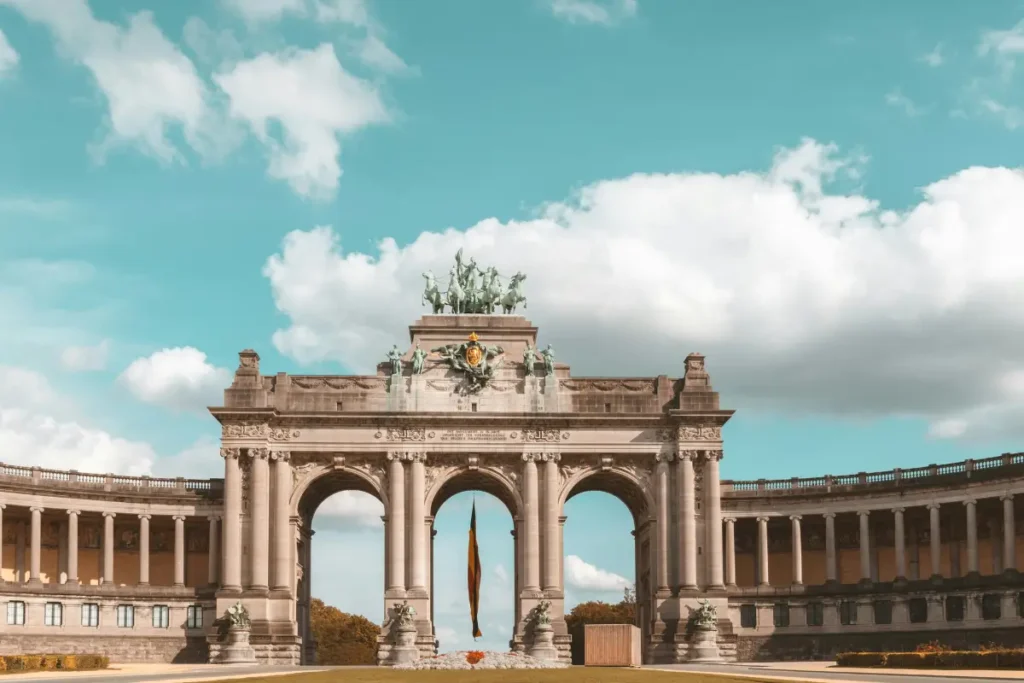
Exploring Belgium’s capital reveals centuries of history alongside modern energy. As the country’s grandest destination, Brussels blends traditional buildings with a lively lifestyle. Brussels attractions offer visitors a close look at European culture.
Grand Place and the historic city center
UNESCO-listed Grand Place is the city’s crown jewel. Its ornate guildhalls and stunning Town Hall form one of the world’s most beautiful squares. Walk nearby cobblestone streets to find hidden cafes and historic shops.
Manneken Pis, Jeanneke Pis, and the city’s comic-book culture
No trip is complete without seeing Manneken Pis, a beloved symbol of the city’s playful spirit. Nearby, Jeanneke Pis stands tucked away in a quiet alley. Colorful murals across central building fronts celebrate Brussels’ rich comic-book heritage.
Royal Palace, Mont des Arts, and the Magritte Museum
The Royal Quarter offers a regal view of the city’s past and present. Stroll through Mont des Arts for a breathtaking skyline view, then visit the Magritte Museum. This museum houses an incredible surrealist art collection, making it one of the essential Belgium landmarks for culture lovers.
Atomium and Mini-Europe for modern Brussels
For a change of pace, visit the iconic Atomium in the city’s north. This futuristic structure contrasts with the medieval center and offers panoramic views from its top sphere. Families often enjoy the adjacent Mini-Europe park, featuring detailed scale models of famous sites across the continent.
Bruges for Medieval Canals and Fairytale Architecture
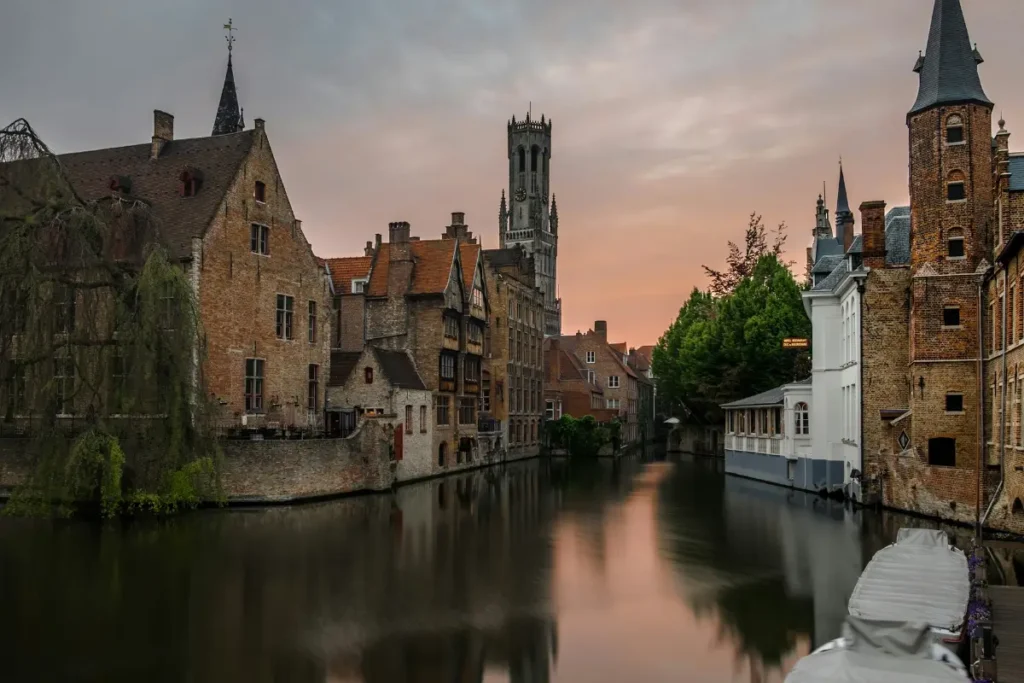
Few European places feel as magical as Bruges, a city that seems drawn from a storybook. Among Belgian medieval cities, it stands out for preserved buildings and winding waterways. Visitors love seeing gabled houses reflected in the water while walking cobblestone lanes.
Markt Square and the Belfry of Bruges
Busy Markt Square forms the city’s lively heart. This historic plaza is an ideal starting point for visiting famous Bruges landmarks. The Belfry of Bruges dominates the skyline and rewards climbers with wide views of red-tiled roofs.
Burg Square and the Basilica of the Holy Blood
Burg Square lies a short walk from the main square. Its buildings show several styles and reveal the city’s rich past. Do not miss the Basilica of the Holy Blood, known for Gothic details and religious importance.
Rozenhoedkaai and the city’s canal cruises
Every visit should include a boat ride through the famous Belgian canals. The tour reveals hidden corners and historic bridges from a fresh viewpoint. For the best photo, visit the Rozenhoedkaai at sunset, when golden light touches the water and stone buildings.
Beguinage, Minnewater Park, and quieter walking routes
The city center gets crowded during peak travel seasons. Walk off the main routes to find calm. The Beguinage has whitewashed houses and quiet gardens, while nearby Minnewater Park offers a green place for an afternoon stroll.
- Visit early in the morning to avoid the largest tour groups.
- Wear comfortable walking shoes to navigate the uneven cobblestones.
- Explore the residential streets to see authentic local life.
- Check the local event calendar for seasonal festivals.
Ghent for Castles, Canals, and a Lively University Atmosphere
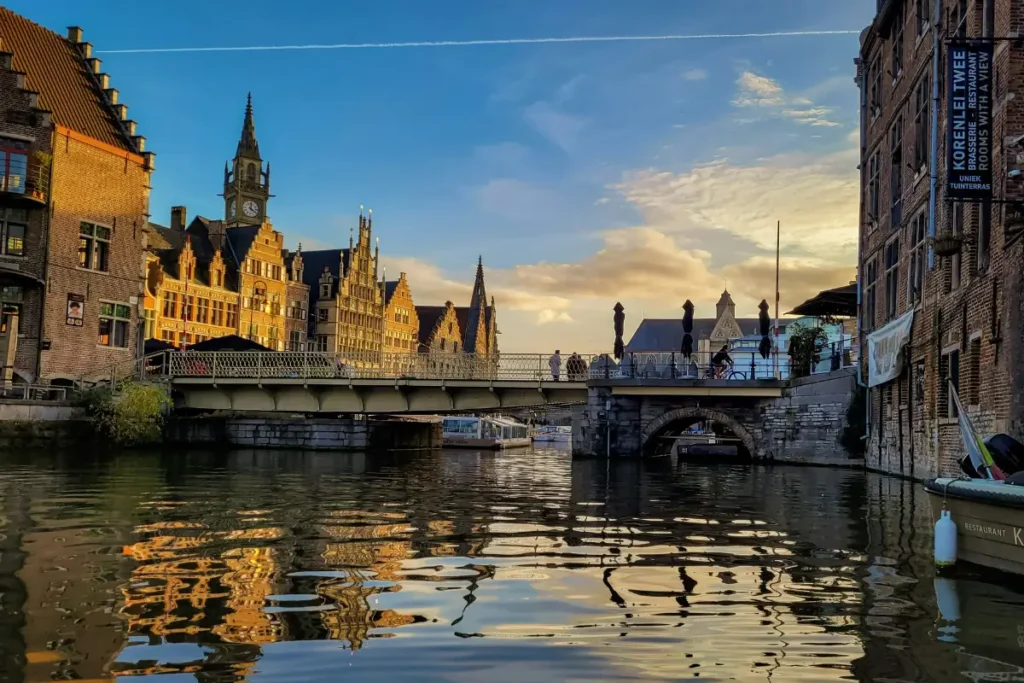
Ghent is a hidden gem among Belgian medieval cities, blending ancient history with lively modern energy. Many travelers visit nearby towns, but Ghent feels lively because of its large student population. It suits visitors seeking rich heritage and a vibrant social scene.
Gravensteen, the Castle of the Counts
No visit to this city is complete without exploring the Gravensteen. This fortress ranks among impressive Belgian castles, with a moat and high stone walls recalling the Middle Ages. Climb to the top for a panoramic view of the city rooftops.
Saint Bavo’s Cathedral and the Ghent Altarpiece
Art lovers will find a sanctuary inside Saint Bavo’s Cathedral. This historic site houses the famous Ghent Altarpiece, a religious art masterpiece drawing visitors worldwide. Its intricate panels offer a close look at the region’s cultural history.
Korenlei, Graslei, and the Leie River waterfront
The city’s heart beats along the Leie River waterfront. Historic guild houses along the Korenlei and Graslei create a stunning backdrop for a relaxing afternoon. These famous Belgian canals also anchor local nightlife, where students and locals gather after sunset to enjoy the view.
Saint Nicholas’ Church and Ghent’s medieval skyline
Ghent’s medieval skyline features iconic towers, with Saint Nicholas’ Church as a prominent landmark. Its distinct blue-gray stone and Gothic architecture create a striking silhouette against the sky. Walk nearby streets to appreciate the preserved beauty of these top Ghent attractions.
Antwerp for Rubens, Diamonds, and Contemporary Style
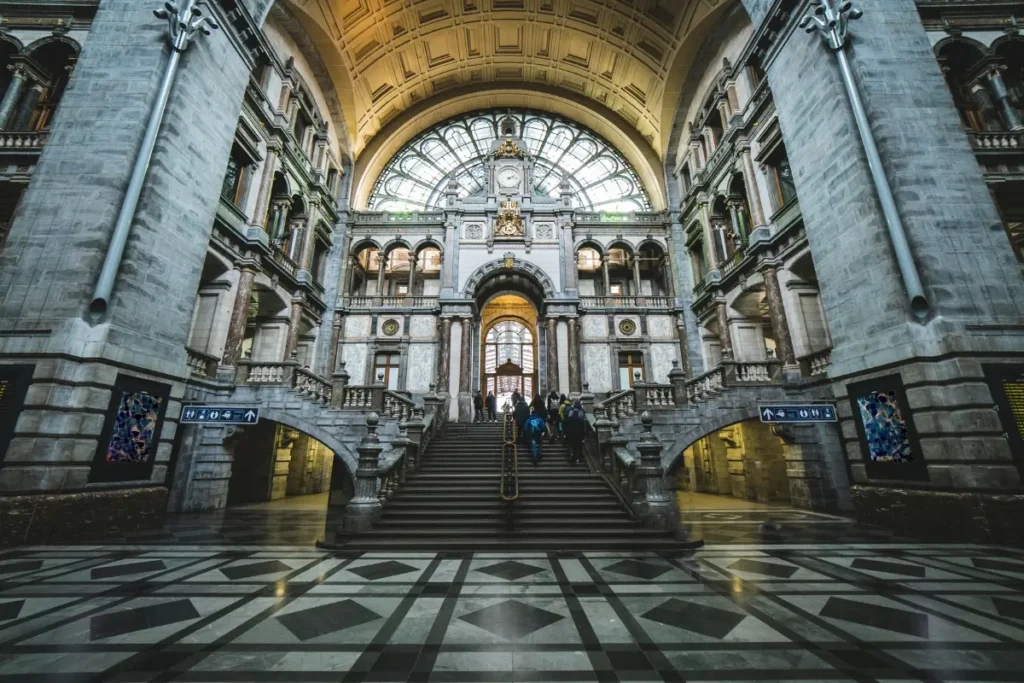
Antwerp blends artistic heritage with modern city energy. It suits travelers who enjoy historic landmarks, fine art, and modern shopping. History buffs and fashion fans can both find a memorable experience here.
Antwerp Central Station and the Diamond District
Begin at Antwerp Central Station, often called the Railway Cathedral. Its grand design introduces the elegance found throughout the city. Nearby, the world-famous Diamond District connects global commerce with luxury.
Grote Markt, the Brabo Fountain, and City Hall
The Grote Markt is the city’s lively heart, surrounded by beautiful guild houses. Admire the detailed City Hall and iconic Brabo Fountain, which shares the legend behind the city’s name. These Antwerp landmarks create a perfect setting for photos and relaxed walks.
Plantin-Moretus Museum and the history of printing
Visitors interested in cultural history should see the Plantin-Moretus Museum. It stands among Belgian museums as the only one on the UNESCO World Heritage list. There, you can explore the world’s oldest printing presses and learn how books shaped human knowledge.
Use these top highlights to make the most of your visit:
- Admire the marble architecture of the Central Station.
- Walk through the historic Grote Markt square.
- View Rubens’ famous paintings in the Cathedral.
- Discover the history of typography at the Plantin-Moretus Museum.
- Shop for jewelry in the bustling Diamond District.
Leuven for Gothic Architecture and Belgian Beer Heritage
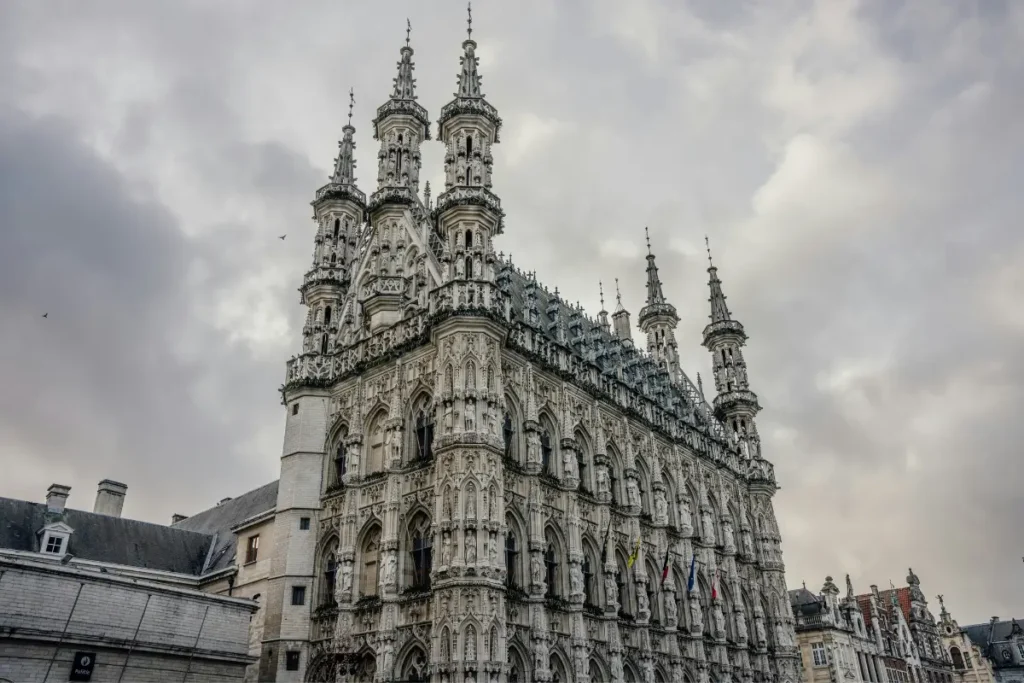
Leuven attractions blend Gothic design, academic tradition, and the energy of a major university town. Walking through this compact, walkable city feels like entering a living museum. Visitors often find its welcoming atmosphere deeply rooted in medieval heritage.
Leuven Town Hall and Saint Peter’s Church
Leuven Town Hall dominates the city center with its stunning Brabantine Gothic design. Its intricate facade has hundreds of statues that share stories of local history and art. Nearby, Saint Peter’s Church shows fine religious craftsmanship through impressive paintings and a treasury for history lovers worldwide.
Oude Markt and the city’s famous beer scene
Oude Markt, known as Europe’s longest bar, is the beating heart of the city’s social life. Sit at a terrace café and experience authentic Belgian beer culture. Leuven is home to the world-famous Stella Artois brewery, linking its brewing history to every glass.
Great Beguinage and the Dijle River
For a quieter visit, head to the Great Beguinage, a UNESCO World Heritage site. This historic area has charming brick houses and peaceful cobblestone streets that once sheltered lay religious women. A walk beside the Dijle River offers a scenic escape from busy squares and the city’s natural beauty.
University Library and Ladeuzeplein
The University Library dominates the expansive Ladeuzeplein square as an architectural landmark. Its tall belfry and grand reading rooms reflect the city’s long academic prestige. Ladeuzeplein attracts students and locals, making it ideal for watching daily life in Leuven.
- Admire the ornate statues on the Town Hall facade.
- Sample local brews at the vibrant Oude Markt.
- Explore the tranquil paths of the Great Beguinage.
- Visit the historic University Library near Ladeuzeplein.
- Enjoy a peaceful walk along the banks of the Dijle River.
Mechelen for a Compact Historic Center and Tower Views
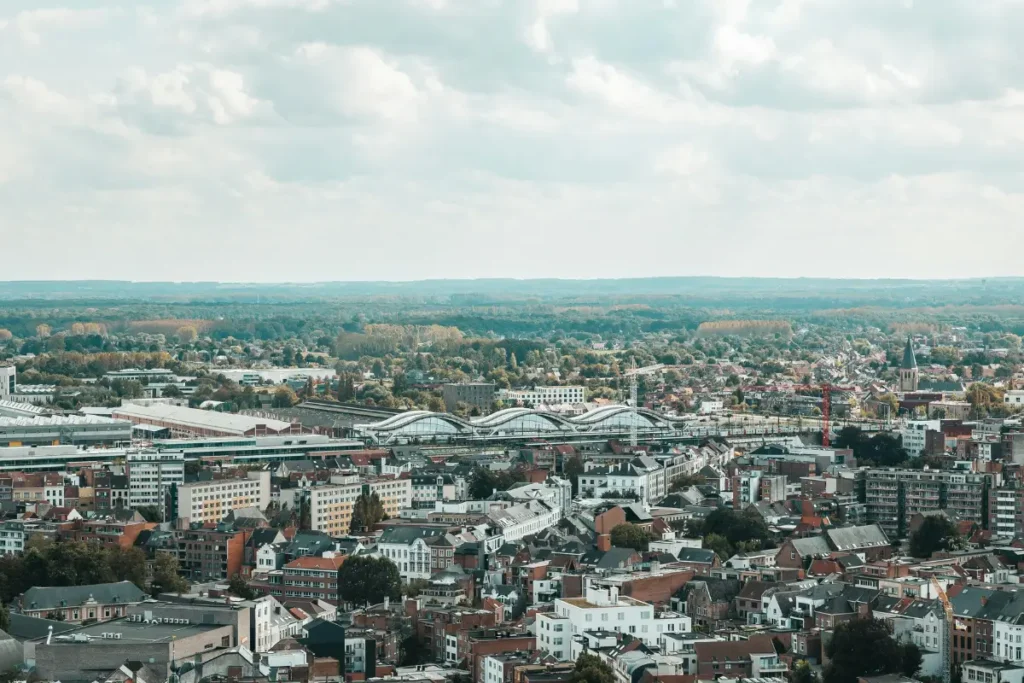
Discover why Mechelen is one of the most underrated Belgian medieval cities. Its compact center lets visitors enjoy rich history without large crowds. It offers authentic local culture and impressive architecture.
Grote Markt and the Palace of Margaret of Austria
The Grote Markt forms the city’s heart, with historic buildings and cozy cafes around its spacious square. Nearby, the Palace of Margaret of Austria reveals the city’s royal past. This site suits visitors interested in the region’s political history during the Renaissance.
Haverwerf, Vismarkt, and the Dijle waterfront
Walking along the Dijle River offers a peaceful view of the town’s unique character. Haverwerf features stunning historic houses that show the wealth of the city’s merchants. You can relax at Vismarkt, a lively spot that captures traditional Belgian medieval cities’ charm.
Technopolis and family-friendly attractions
If you travel with children, visiting Technopolis is a must. This interactive science center makes learning fun with hands-on exhibits and experiments. It balances historical sightseeing with an engaging activity for all ages.
- St. Rumbold’s Cathedral
- Grote Markt
- Haverwerf
- Vismarkt
- Technopolis
Liège for Riverfront Walks, Museums, and Walloon Culture
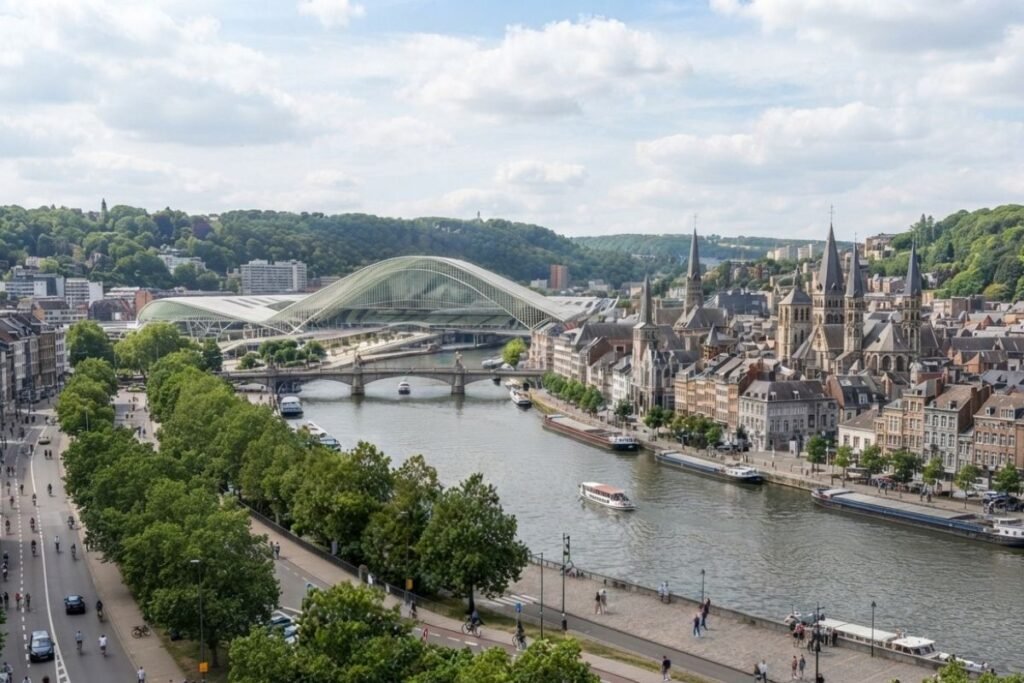
Liège is a lively center of Walloon culture, blending industrial grit with a rich, layered history. The city adds a fresh view of Wallonia travel, beyond the usual tourist path, with strong local character. Its unusual landscape and bold buildings create an urban experience visitors will remember.
Liège-Guillemins railway station and Santiago Calatrava’s design
Your journey begins at Liège-Guillemins station, a masterpiece of modern engineering. Renowned architect Santiago Calatrava designed it with sweeping white curves and glass ceilings. Natural light fills the space, showing how Liège blends old traditions with new ideas.
Montagne de Bueren and the city’s dramatic stairway
If you enjoy a challenge, the Montagne de Bueren is a must-see landmark. This steep stairway has 374 steps leading high above the city center. At the top, you can enjoy a breathtaking view of the Meuse Valley and historic rooftops.
Prince-Bishops’ Palace and Place Saint-Lambert
Place Saint-Lambert forms the city’s heart, where the past meets the present. The Prince-Bishops’ Palace dominates the square with its impressive facade and ornate courtyard. Exploring this area reveals the political history that shaped the region over many centuries.
La Boverie, Parc de la Boverie, and the Meuse River
Travelers interested in world-class Belgian museums should visit La Boverie. The museum presents diverse art collections in a beautiful riverside setting. After sightseeing, enjoy a relaxing walk along the Meuse River.
Planning a trip? Consider these top Liège attractions to make the most of your visit:
- The architectural marvel of Liège-Guillemins station
- The challenging climb of the Montagne de Bueren
- The historic Prince-Bishops’ Palace
- The fine art collections at La Boverie
- Scenic strolls through Parc de la Boverie
Dinant for Citadel Views and the Meuse Valley
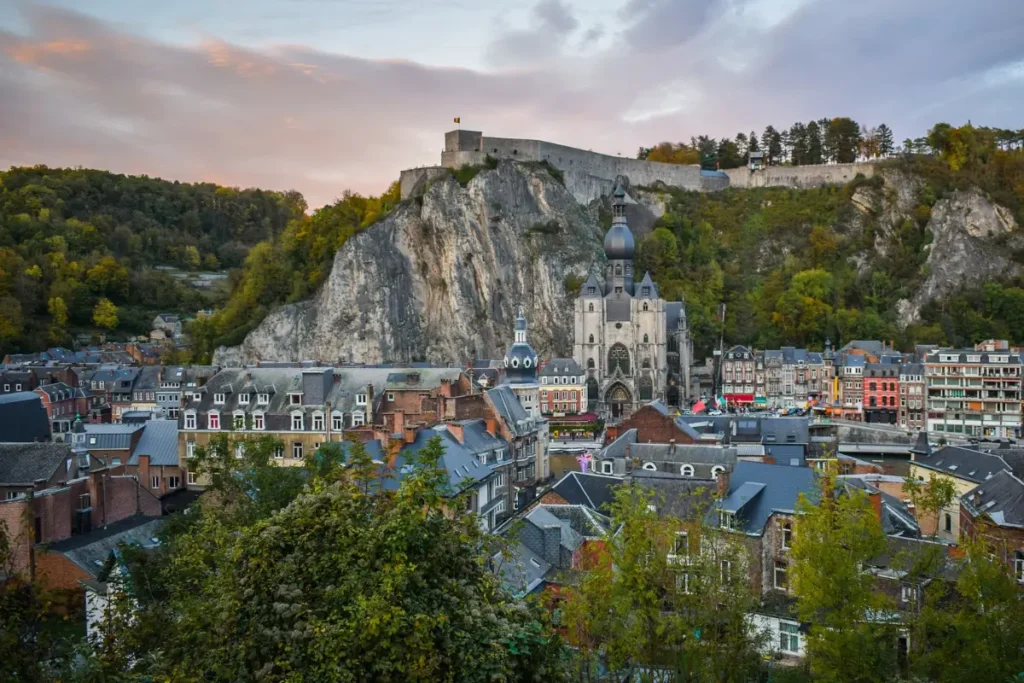
Dinant lies between tall cliffs and the winding Meuse River. It is one of Belgium’s most striking destinations and a highlight of Wallonia travel. Its narrow streets and storybook setting frame famous Dinant landmarks.
Citadel of Dinant and panoramic viewpoints
The Citadel of Dinant stands high above the city. Reach it by cable car or by climbing hundreds of challenging stairs. Its fortress shaped regional military history, while its ramparts provide breathtaking, panoramic views and the best perspective of the town below.
Collegiate Church of Notre Dame and its distinctive onion dome
The Collegiate Church of Notre Dame stands at the cliff’s base and anchors the city skyline. Its distinctive onion-shaped dome stands out against the rugged rock face. This historic masterpiece of Gothic architecture remains a must-see for photography enthusiasts.
Adolphe Sax heritage and the city’s musical identity
Dinant is the proud birthplace of Adolphe Sax, inventor of the saxophone. Colorful saxophone statues fill its streets and celebrate the city’s musical identity. Visitors can explore the Maison de Monsieur Sax, a small museum about his life and world-changing invention.
River cruises, kayaking, and nearby castles
The Meuse River is the city’s lifeblood and offers many outdoor activities. Choose a relaxing boat tour or an active afternoon on the water to see the valley differently. You can also visit impressive Belgian castles, several just a short drive away.
- Take a scenic river cruise to see the cliffs from below.
- Rent a kayak for a fun adventure along the Meuse.
- Visit the nearby Castle of Vêves for a fairytale experience.
- Explore the gardens of Freÿr Castle along the riverbank.
Namur for a Hilltop Citadel and Picturesque River Confluence
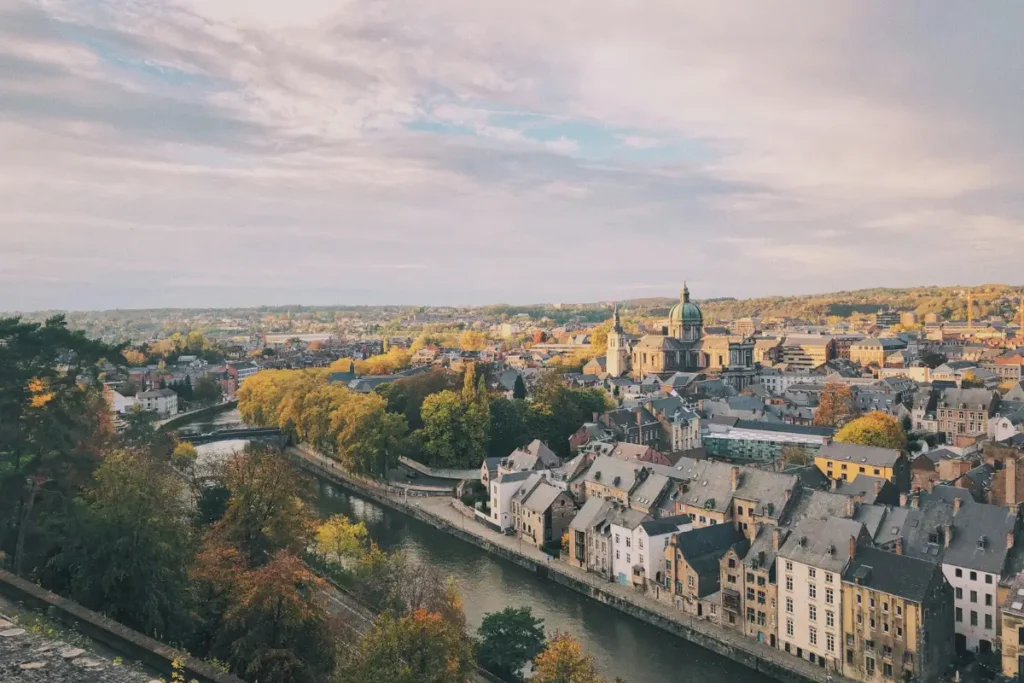
At the meeting of two major rivers, Namur is a hidden gem in Wallonia. This relaxed capital blends history, culture, and natural beauty. It is an essential stop for travelers seeking authentic Wallonia travel.
Citadel of Namur and the Terra Nova visitor center
The massive fortress above the city ranks among the most impressive Belgian castles you will see. Explore its large grounds and learn about its military past at the Terra Nova visitor center.
Panoramic views from the top are breathtaking. These vistas often rank among the most memorable Namur attractions.
Meuse and Sambre riverside promenades
Namur draws much of its charm from the Meuse and Sambre rivers’ confluence. Well-kept promenades let you walk beside the water and enjoy the peaceful setting.
These paths link city neighborhoods with the valley’s natural scenery. They offer a wonderful way to experience the local pace of life.
Félicien Rops Museum and Walloon art
Art lovers should visit the Félicien Rops Museum, which celebrates this famous local artist. The museum offers deep insight into the area’s creative spirit.
It adds artistic depth to your trip and stands out among Namur attractions. This cultural site is a must-see for anyone interested in the finer details of Wallonia travel.
How to Build a Belgium Cities and Landmarks Itinerary
Building a memorable Belgium travel itinerary is easier with a clear plan. Use fast transport and central hubs to spend more time exploring iconic Belgium Cities and Landmarks. Choose a quick city tour or a slower pace to shape your adventure.
A weekend route through Brussels and Bruges
For a quick trip, focus on the capital, Brussels, and Belgium’s most famous medieval town. Spend day one in Brussels, enjoying grand buildings and lively streets. On day two, take a short train ride to Bruges for canals and historic squares.
- Day 1: Explore the Grand Place and the Royal Palace in Brussels.
- Day 2: Travel to Bruges for a canal cruise and a visit to the Belfry.
A four- to five-day itinerary combining Brussels, Ghent, and Antwerp
With extra days, add more cultural centers to your trip. This four- to five-day Belgium travel itinerary shows the different character of three cities. Belgium train travel makes trips between them fast and easy.
- Day 1-2: Base yourself in Brussels for museums and local food.
- Day 3: Head to Ghent to see the Gravensteen castle and the waterfront.
- Day 4-5: Finish in Antwerp to explore the diamond district and historic cathedrals.
A longer route with Leuven, Mechelen, Liège, Dinant, and Namur
For a longer trip, explore hidden treasures beyond the main tourist path. Balance time between the Flemish north and Walloon south to see varied Belgium Cities and Landmarks. Choose two or three base cities to avoid carrying luggage often.
- Leuven and Mechelen: Perfect for day trips from Brussels.
- Liège: Ideal for exploring the industrial history and the Meuse River.
- Dinant and Namur: Best for scenic valley views and hilltop citadels.
Belgian rail passes, station logistics, and day-trip planning
Reliable transport supports every successful trip in this region. A rail pass may save money when you take several trips across the country. Check the official rail website for schedules, and stay near central stations for easier departures.
- Purchase a multi-trip rail pass for better flexibility.
- Use lockers at major stations to store luggage during day trips.
- Check train schedules in advance to avoid peak hour crowds.
Learning Belgium train travel basics keeps your attention on sights, not logistics. These routes prepare you to enjoy all this diverse country offers.
Conclusion
Exploring the best cities in Belgium reveals medieval charm alongside modern innovation. Brussels offers grand squares, while Bruges offers quiet canals and a clear view of local culture.
Build a memorable Belgium travel itinerary by connecting destinations on Belgium’s efficient rail network. Antwerp brings artistic flair, while Leuven offers an academic atmosphere. Both cities make your journey simple to navigate.
Do not miss the hidden gems that shape Belgium Cities and Landmarks. Mechelen, Dinant, and Namur offer peaceful alternatives to busier hubs. They also preserve rich historical significance.
Your ideal trip depends on your personal interests. Choose world-class beer, intricate architecture, or scenic river views to narrow your choices. Start mapping your adventure today to experience the diverse beauty across this remarkable country.