
Top 10 Mystic Outlands Destinations for Atmospheric Travel
Explore the top 10 mystic outlands and choose your next breathtaking escape with our friendly opinions on the destinations worth your time and travel.
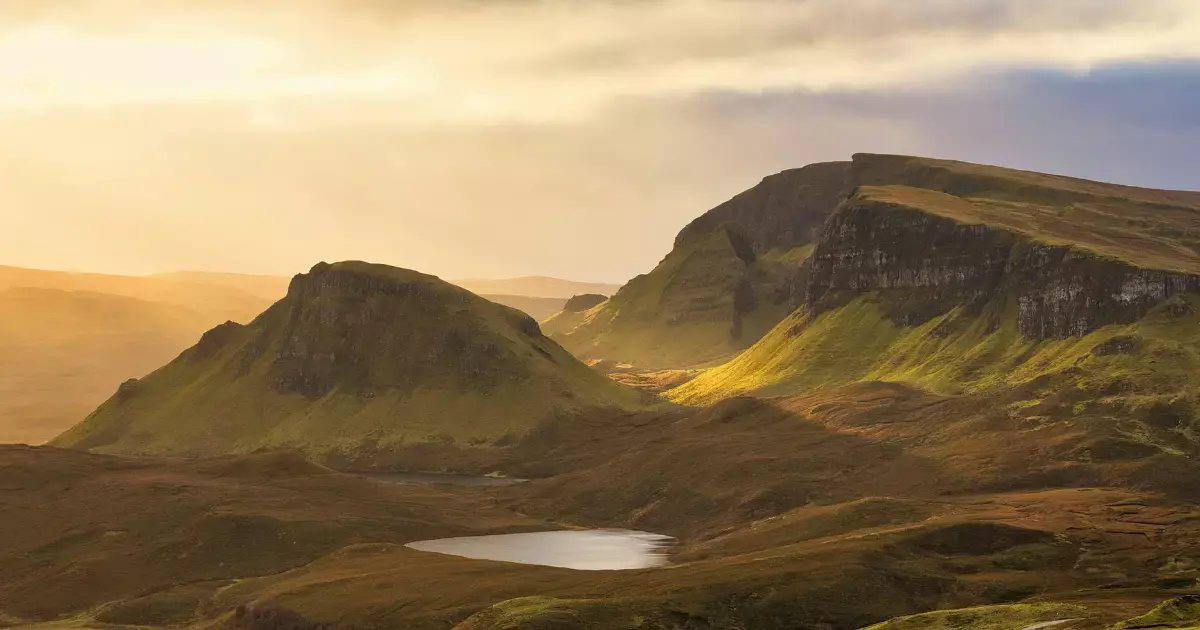
Some places feel like another world: quiet salt flats, misty forests, volcanic shores, and ancient ruins far from ordinary sightseeing routes. This guide explores real destinations where dramatic scenery, local culture, and a slower pace create memorable travel experiences without treating communities or nature as props.
This mystic outlands travel trend is an editorial theme, not an official geographic category or a verified Pinterest movement. It describes a growing interest in atmospheric journeys that emphasize landscape, cultural history, conservation, and time spent outdoors. Before relying on any trend statistic published this year, check its original source, search region, and comparison period.
I selected these ten places for their distinctive character, accessibility, safety considerations, and respect for local life. From Bolivia’s Salar de Uyuni and Scotland’s Highlands to Japan’s Arashiyama Bamboo Forest, each destination offers a different way to experience the world responsibly. Use this list to plan thoughtful travel, not to escape accountability.
Mystic Outlands: Salar Uyuni, Bolivia
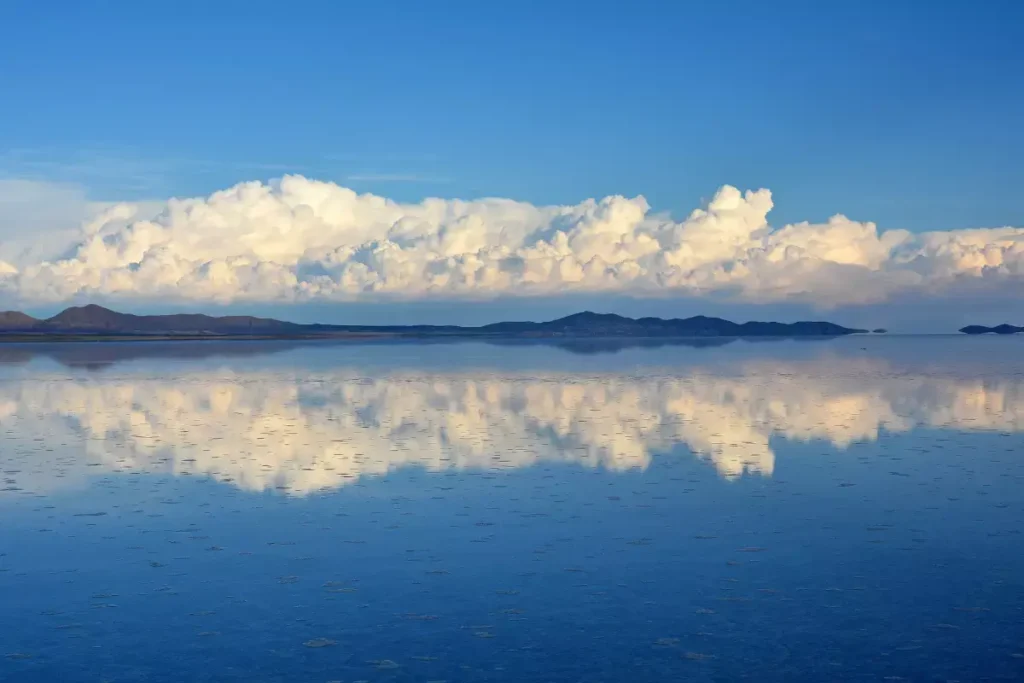
Salar Uyuni ranks among the most atmospheric destinations on Earth. This vast salt landscape becomes a natural mirror after seasonal rain, reflecting clouds and distant mountains in shallow water. The experience feels otherworldly, but responsible travel matters: use licensed local guides and follow access rules.
Why Salar Uyuni Earns a Place on the List
The scale and geometry of Salar Uyuni create a striking sense of place. During the wet season, thin water transforms the salt flats into a reflective landscape. In the dry season, the salt forms bright polygonal patterns beneath intense light.
At more than 3,600 meters above sea level, the destination requires preparation. Travel slowly, protect yourself from sun exposure, and allow time to adjust to the altitude.
Reflective Water, Salt Patterns, and Open Skies
Local guides determine whether conditions are safe and whether water covers the route. Mist can appear near the horizon, while changing weather affects visibility and road access.
Pack these practical essentials:
- Layered clothing for rapid temperature changes.
- Sunglasses, sunscreen, and drinking water.
- Sturdy shoes for salt and uneven ground.
- A waterproof phone pouch for reflective-water photography.
The Trade-Off: Beauty That Demands Preparation
Salar Uyuni rewards patience, but remote travel brings real limits. Do not walk into deep water or leave marked routes for a photograph. Respect local communities and the fragile salt environment.
With a qualified guide, Salar Uyuni becomes a memorable nature destination: vast, quiet, and shaped by both salt and weather.
The Scottish Highlands: Glen Coe and the Isle of Skye
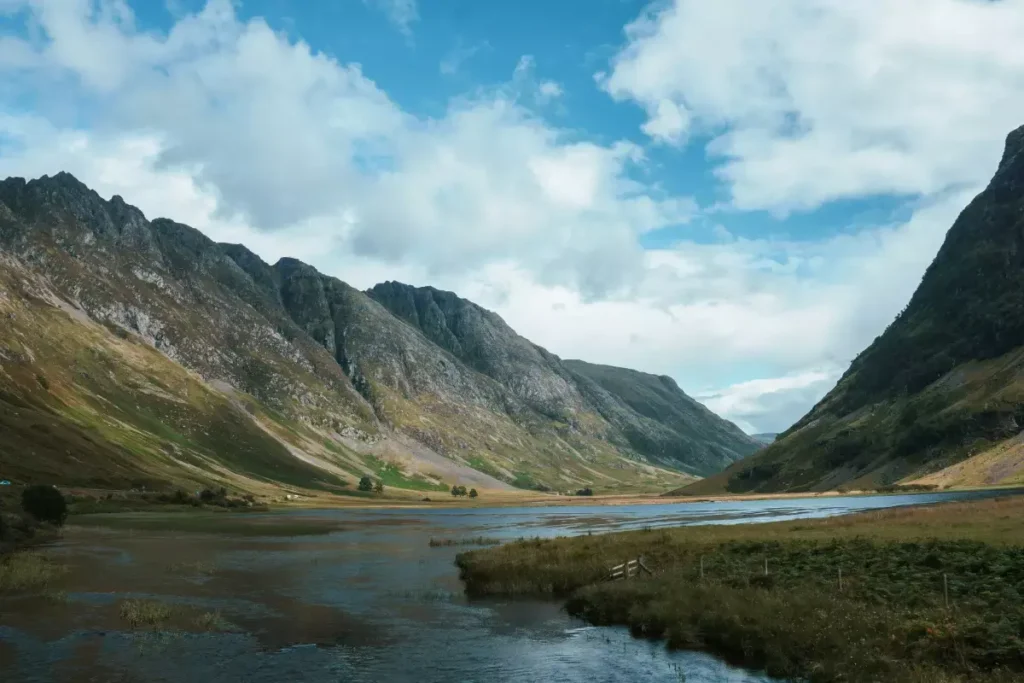
Few destinations match the dramatic landscapes of the Scottish Highlands. Glen Coe combines steep cliffs, dark lochs, and broad valleys, while the Quiraing on the Isle of Skye offers a rugged landscape shaped by ancient landslides.
What Makes the Scottish Highlands So Visually Unforgettable
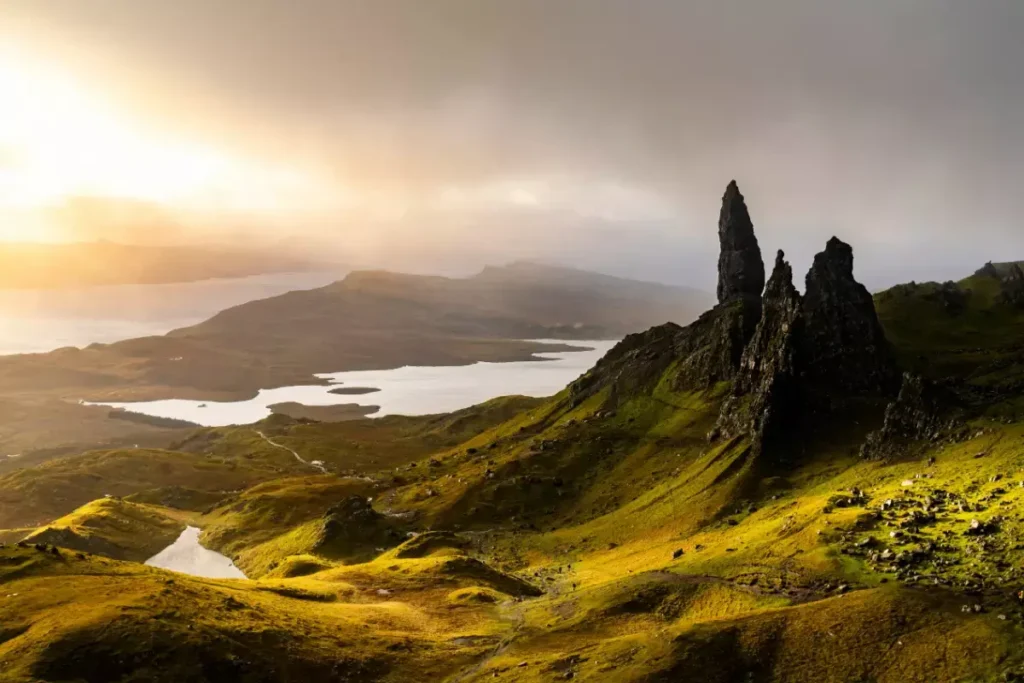
The Scottish Highlands have long influenced travel photography, films, and the moody “Scottish Highlands aesthetic.” Their changing light, layers of fog, and historic glens create landscapes that feel cinematic without requiring invented landmarks or exaggerated claims.
Each place also carries cultural and geological meaning. Research local history before visiting, and remember that the scenery exists within working communities and protected environments.
Cliffs, Lochs, and Wildlife Along the Trails
Marked paths lead past cliffs, lochs, old stone structures, and open hillsides where red deer and birds may appear. Keep your distance from wildlife, stay on durable surfaces, and never leave food behind.
Check the official weather forecast before setting out. Wind, mist, and sudden rain can make navigation difficult, even during summer.
Why Preparation Strengthens the Experience
Pack waterproof clothing, sturdy footwear, and an offline map. Follow trail notices and Leave No Trace principles. The Scottish Highlands remain a rewarding place for responsible travel at any time of year.
Arashiyama Bamboo Forest in Kyoto
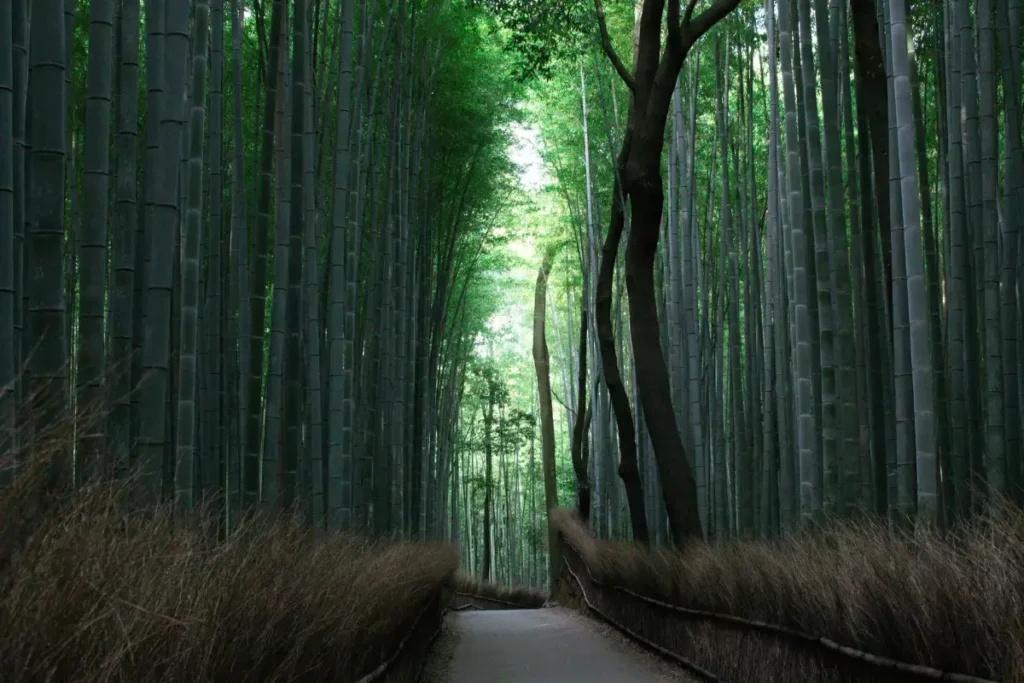
one of Kyoto’s most recognizable places, but the wider Arashiyama area offers a richer experience.Tall bamboo, filtered light, the Katsura River, and nearby temples create a calm setting that can feel like a retreat from the city.
A Forest That Rewards an Early Visit
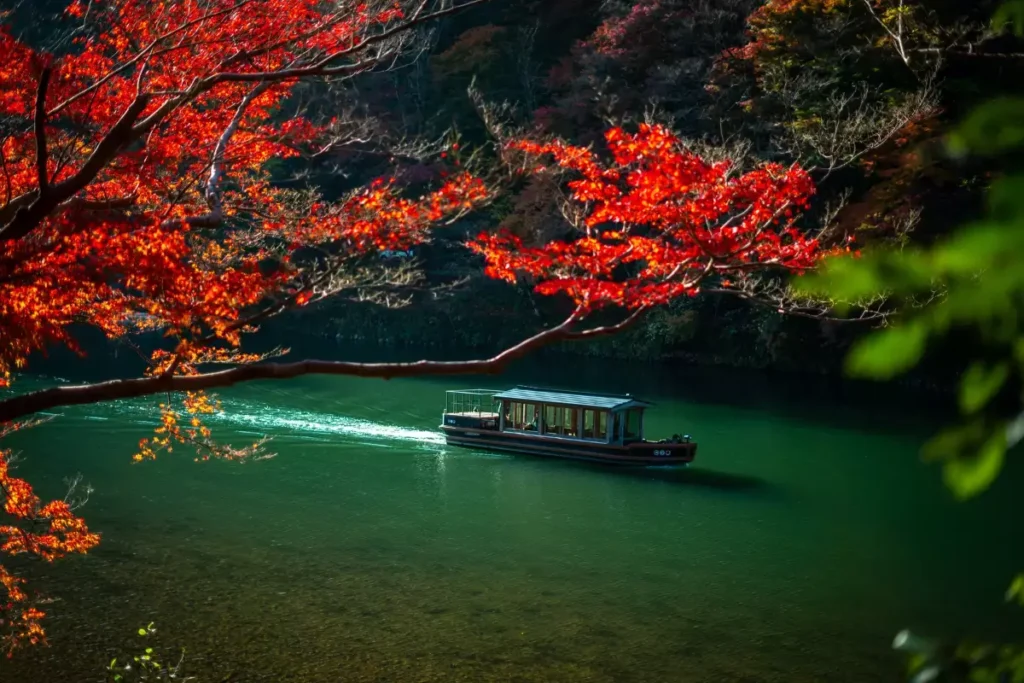
Visit the Arashiyama bamboo forest early, when the paths are quieter and the morning light moves between the bamboo stalks. The forest is a popular public attraction, so follow signs, respect residents, and avoid blocking paths for photographs.
Bamboo Groves, Tenryu-ji, and the Katsura River
Combine the bamboo forest with Tenryu-ji and a walk beside the Katsura River. The surrounding forests and garden paths reveal a slower side of Kyoto, while the wind moving through the bamboo creates a memorable moment.
Plan your visit with these practical tips:
- Wear comfortable walking shoes.
- Carry water for warm weather.
- Dress respectfully for temple visits.
- Use public transit and an offline map.
How to Enjoy Arashiyama Responsibly
Give yourself enough time to explore without rushing, but stay on designated paths. The Arashiyama bamboo forest and neighboring nature areas are shared spaces, so quiet, considerate travel helps protect their atmosphere.
Iceland’s South Coast
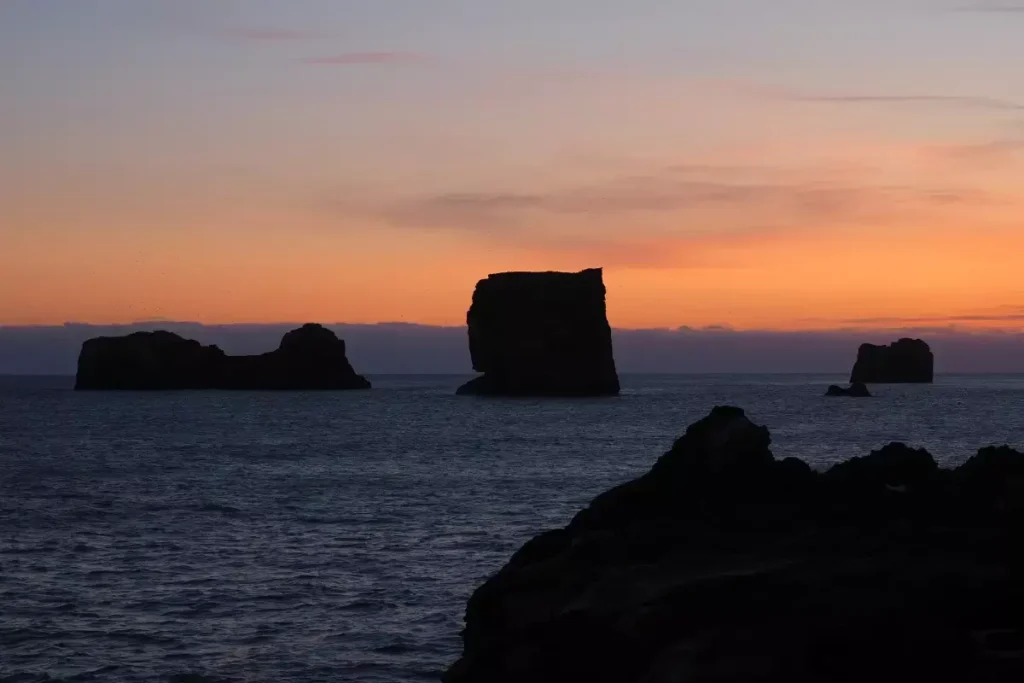
Iceland’s South Coast is a powerful North Atlantic destination, defined by blacksand beaches, volcanic land, sea spray, and changing light. Places such as Reynisfjara and Dyrhólaey offer dramatic scenery, but the coast demands careful planning in every season.
Why Iceland’s South Coast Requires Respect
Reynisfjara is known for powerful sneaker waves and strong currents. Never turn your back on the sea, cross barriers, or approach unstable cliffs. Check official warnings before leaving your accommodation.
Black-Sand Beaches, Sea Stacks, and Coastal History
At Reynisfjara, basalt columns and sea stacks create one of the world’s most recognizable volcanic landscapes. Dyrhólaey adds elevated views, while nearby ruins and historic sites provide context for life along this demanding shore.
Balancing Scenic Travel With Real Hazards
Check SafeTravel.is, road conditions, and local closures before travel. Strong wind, poor visibility, and sudden weather changes can make conditions hazardous, especially outside summer.
The Faroe Islands offer a similarly dramatic North Atlantic mood, but every destination has different rules. Stay on marked paths, respect restricted areas, and treat the coast with caution.
Waitomo Glowworm Caves, New Zealand
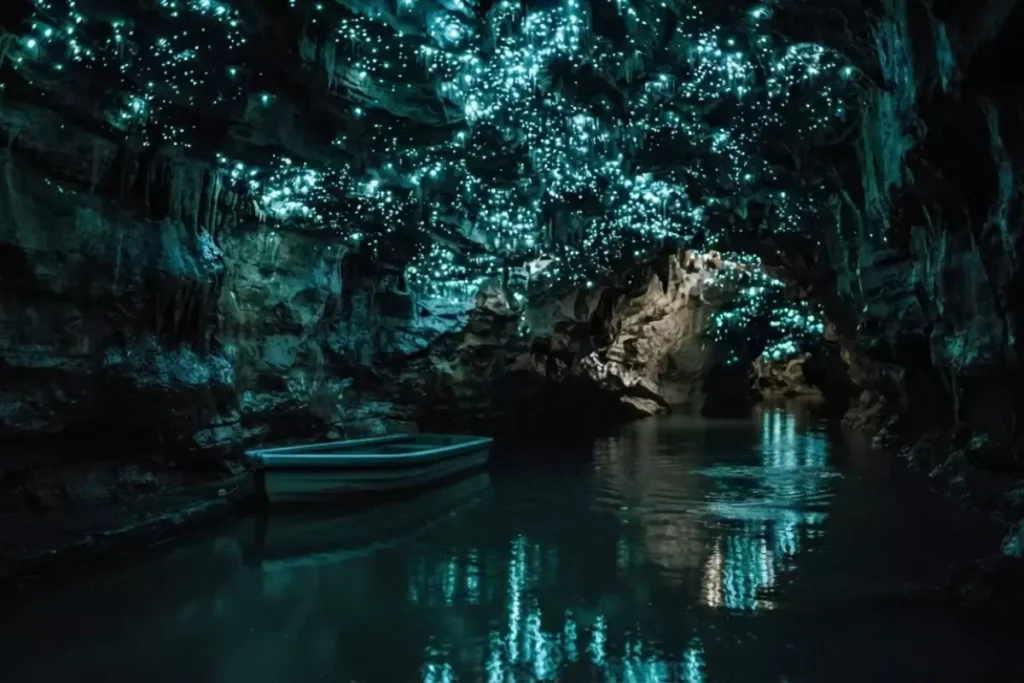
Waitomo Glowworm Caves offer an intimate alternative to vast outdoor destinations. Beneath the limestone landscape, guided tours lead through chambers shaped by water over millions of years. The cave’s darkness makes each point of glow feel like a rare natural moment.
Subterranean Wonder Beneath a Quiet Landscape
The experience combines a walking route with a quiet boat journey through the glowworm grotto. The glow comes from Arachnocampa luminosa, a species native to New Zealand. Independent exploration is not permitted, so reserve an official tour and follow the guide’s instructions.
Glowworms, Limestone Formations, and Underground Water
Soft light reflects across the water as the boat moves beneath the ceiling. Do not touch the formations or glowworms, and follow photography rules, which may prohibit images inside the cave.
- Wear enclosed, comfortable footwear.
- Bring a warm layer for the cool interior.
- Book ahead during busy travel periods.
- Check accessibility details with the visitor authority.
Why the Caves Feel More Personal Than Grand
Take your time, listen to the water, and let the guided visit reveal the nature of this remarkable destination without disturbing it.
The Mongolian Steppe
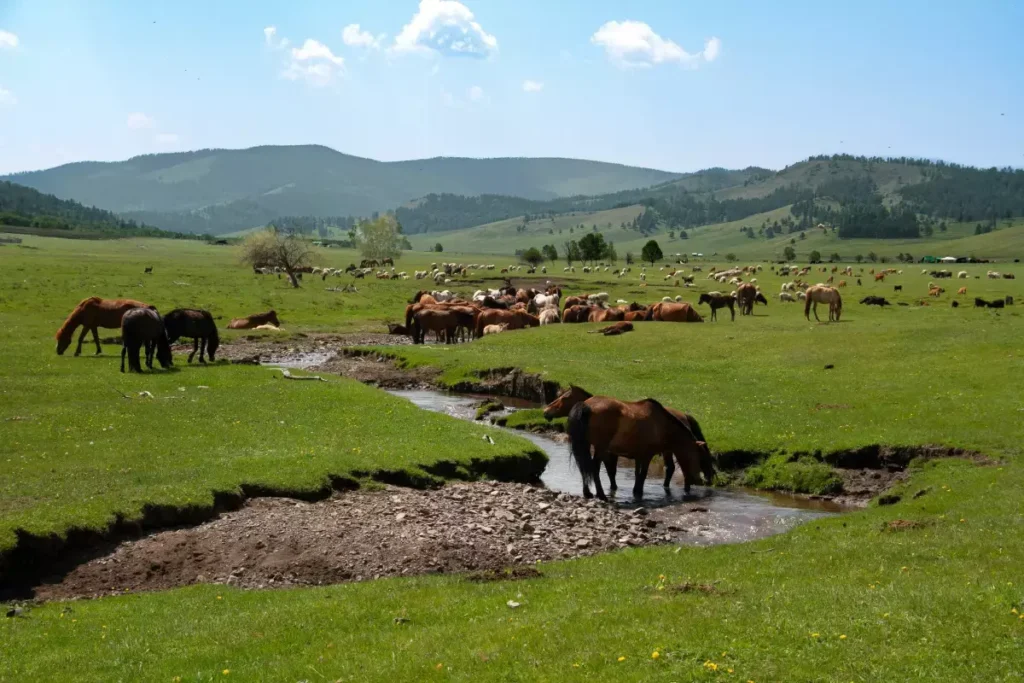
The Mongolian Steppe opens into vast landscapes where wind moves through grass and the sky seems to meet the land. This remote destination offers extraordinary places for travelers who want distance, quiet, and a closer view of pastoral life.
Open-Sky Travel Across an Expansive Grassland
Gorkhi-Terelj National Park provides an accessible introduction to Mongolia’s countryside, while farther routes require longer drives and reliable transport. Conditions vary by season, and temperatures can change quickly between day and night.
Plan water supplies carefully, carry offline maps, and allow extra time for rough roads. A licensed local operator can arrange transport, accommodation, and culturally respectful visits.
Ger Camps, Wildlife, and Traditional Knowledge
Stay at an authorized ger camp and ask before entering a family’s ger or photographing people. Local guides can explain nomadic life, wildlife, and traditional knowledge of the stars without reducing these communities to scenery.
Clear nights may reveal a brilliant sky, but cloud cover and wind affect stargazing throughout the year.
The Emotional Power of Distance
Solitude can feel restorative, but it is not guaranteed. Book with a licensed operator, follow camping rules, and respect the fragile land.
Machu Picchu, Peru
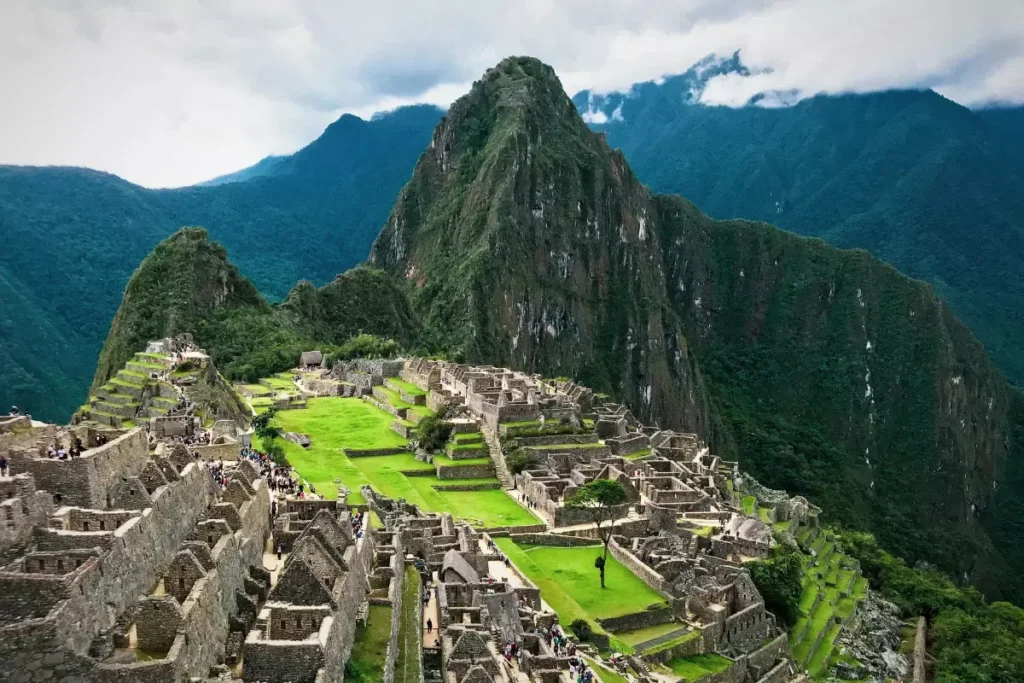
Machu Picchu is one of the world’s most significant archaeological destinations, where stone terraces, temples, and agricultural structures reveal the sophistication of Inca engineering. Mist drifting across the mountain landscape can enhance the aesthetic, but the site’s history matters more than its appearance.
Why These Ruins Offer Meaningful Historical Layers
The ruins show how the Inca adapted architecture and farming to steep terrain. Terraces, drainage systems, and carefully fitted masonry connect the destination to a wider history of engineering, ritual, and power.
Travelers should treat Machu Picchu as a protected cultural site, not simply a scenic viewpoint. Visitor routes and timed entry help limit pressure on the ruins.
Terraces, Temples, and Evidence of Inca Life
As you follow the marked circuit, you can see several features that define the visit:
- Terraced slopes built for agriculture and erosion control.
- The Temple of the Sun and its finely fitted stonework.
- Residential areas that reveal daily life at the site.
- Water channels demonstrating advanced engineering.
Do not touch, climb, or remove anything from the ruins. Each moment on the route should support preservation.
Exploring History Beyond the Photographic Aesthetic
Purchase tickets through the official authority, follow the assigned circuit, and consider hiring licensed guides. Respectful travel helps protect these remarkable ruins for future visitors.
Hallstatt and the Salzkammergut, Austria
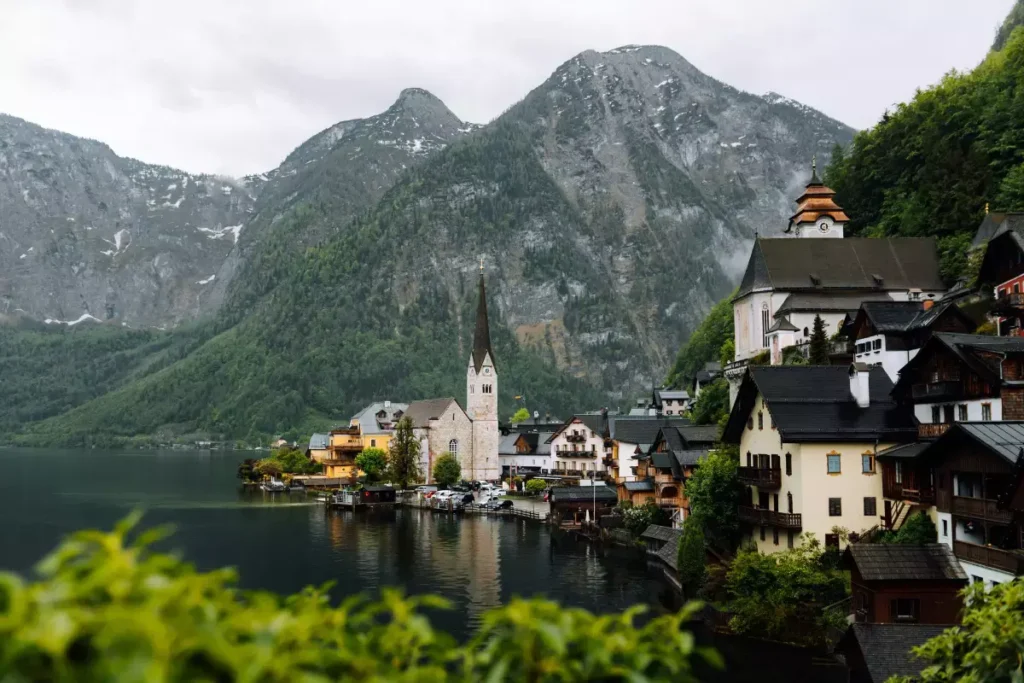
Hallstatt and the surrounding Salzkammergut region offer a warmer side of atmospheric travel. Alpine lakes, forests, historic villages, and mountain scenery create a landscape where local life remains central. The destination can feel welcoming, but visitors should explore respectfully rather than treat residents as attractions.
A Community-Centered Side of the Outlands
Hallstatt sits beside Lake Hallstatt in Austria’s Salzkammergut country, a region shaped by salt mining, farming, and lake communities. Visit local businesses, follow marked walking routes, and remember that people live and work among the scenery.
Lakeside Villages, Alpine Forests, and Seasonal Light
Walk beside the lake, explore nearby nature trails, and visit museums or salt-related sites with respect. Morning mist and changing light give the region a different character each season.
Plan your visit with these considerate habits:
- Reserve locally owned accommodation in advance.
- Buy food and services from local businesses.
- Ask people before taking their photograph.
- Stay on public paths and avoid private property.
How Responsible Hospitality Shapes the Experience
Travel outside peak periods when possible, keep noise low, and follow local guidance. This approach supports community life while allowing you to enjoy one of Austria’s most memorable places.
Lanzarote’s Black Volcanic Landscapes
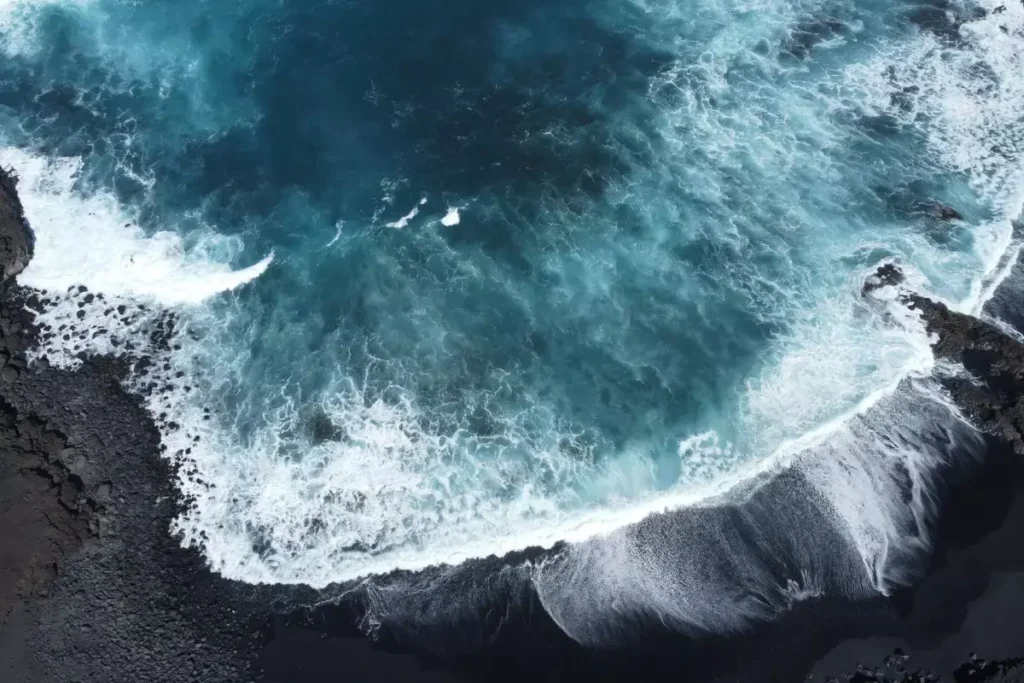
Lanzarote offers a stark volcanic landscape shaped by lava, ash, and wind. Its dark terrain can feel like another world, but it is not a black-sand desert in every area. This place combines a minimalist aesthetic with intense light, open horizons, and Atlantic weather.
Surreal Scale Across a Volcanic Landscape
At Timanfaya National Park, guided routes reveal lava fields and cinder cones rather than salt flats. The flats and ridges change color as the sun moves, creating landscapes that reward careful observation.
Crater Routes, Lava Fields, and Coastal Views
Use marked paths or an authorized tour, carry water, and avoid walking on fragile formations. The Faroe Islands offer a different kind of dramatic scenery, but the Faroe Islands feel share this destination’s stark sense of scale.
Why Repetition Can Become Meditative
A short sunrise or sunset route can make the Faroe Islands feel surprisingly familiar in mood. Unlike the Faroe Islands, Lanzarote requires heat planning; check the weather, follow conservation rules, and travel with realistic expectations.
Pompeii, Italy
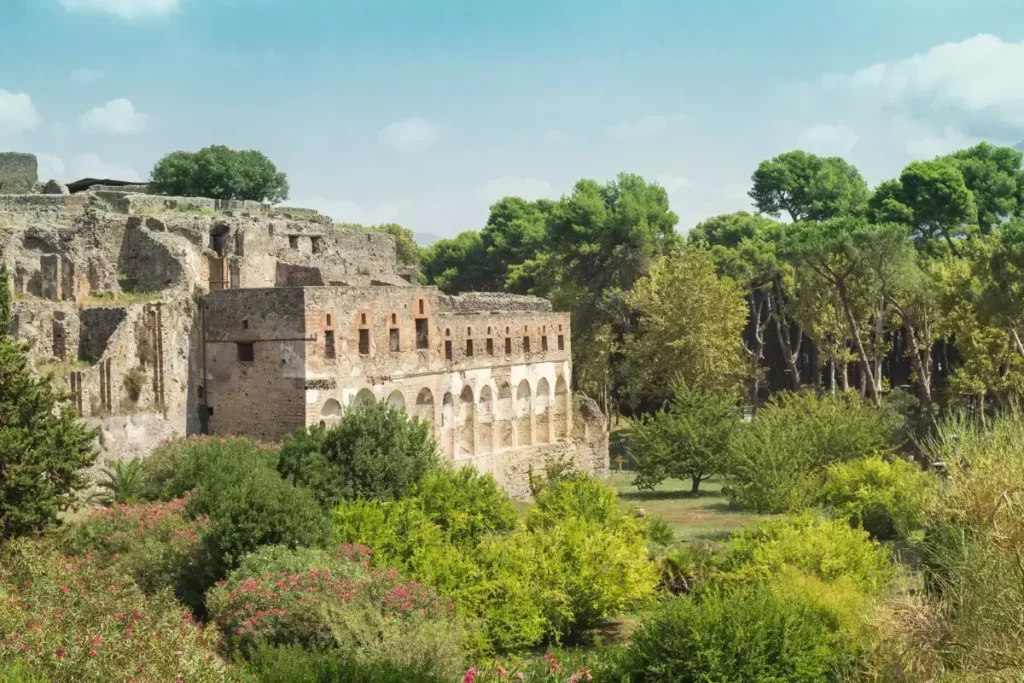
Pompeii is one of the world’s most important archaeological destinations, where preserved ruins reveal daily life in a Roman city buried by Mount Vesuvius in 79 CE. Its streets, homes, and stone walls create a powerful historical landscape without romanticizing the disaster.
The Most Ambitious Destination, Even When It Feels Somber
The site rewards travelers who want to understand how people lived, worked, worshiped, and governed. Its atmosphere may feel heavy, but that mood should encourage respectful reflection on history rather than fascination with destruction.
Pompeii is extensive, so plan your route and allow enough time. Check the official website for current access, accessibility information, opening hours, and closures before visiting.
Ruins, Villas, and Evidence of Roman Life
Marked streets lead past houses, public buildings, gardens, and temples. Frescoes, mosaics, and everyday objects help explain the city’s social life and historical importance.
Stay on designated paths, never touch the ruins, and consider an authorized guide for context.
How to Visit a Difficult Historical Site Responsibly
Wear sun protection, carry water, and avoid the hottest part of the day. Choose official tours and support preservation in this remarkable country.
Conclusion
The Mystic Outlands are not a single region but a way to experience real places with greater attention. Salar de Uyuni offers reflective salt flats, while the Scottish Highlands, Iceland’s South Coast, and Lanzarote provide dramatic landscapes shaped by weather, geology, and light.
For quieter travel, choose the Arashiyama Bamboo Forest, Waitomo Glowworm Caves, or the Mongolian Steppe. History-focused visitors may prefer Machu Picchu or Pompeii, while Hallstatt and the Salzkammergut connect nature, local life, and community-based travel.
Before booking, check official visitor guidance, choose licensed local guides, and plan around each destination’s season. Respect conservation rules, residents, and cultural sites wherever you go. The Mystic Outlands can lead you to remarkable places across the world, but responsible travel makes the experience meaningful for both visitors and the country they explore.