
Top 7 Mystic outlands
Explore the top 7 Mystic outlands and decide which remote realms deserve your attention in this friendly, opinionated guide to hidden wonders across the US.
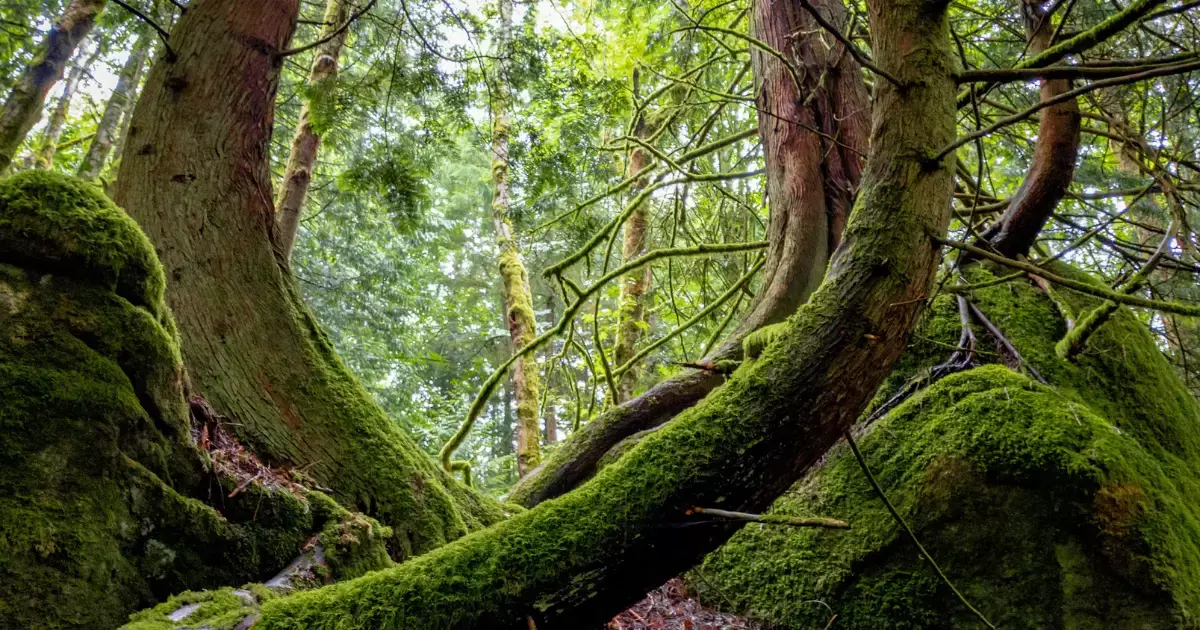
Have you ever felt the quiet pull of a place that exists just beyond the edge of the map? There is a profound beauty in wandering through ruins swallowed by thick mist or standing before ancient, naturally occurring spirals. These moments offer more than just a pretty picture; they provide a rare chance to reconnect with your inner self.
As highlighted by the Pinterest Predicts 2026 report, the trend toward these remote areas is growing. People are seeking deeper meaning through travel, choosing paths that lead to enchanting forests and forgotten landscapes. It is about finding stillness in a world that rarely stops moving.
In this guide, we will explore seven unique locations that define the current Mystic outlands movement. Whether you are searching for persona l transformation or simply a moment of reflection, these spots offer a gateway to the unknown.
Why These Mystic outlands Still Pull You Beyond the Familiar
Why do we feel drawn to landscapes that blur the line between reality and myth? You likely seek out these places because they offer a break from the predictable patterns of daily life. These locations act as a bridge between the world you know and the one you imagine.
When you step into these environments, the air feels different. You are not just visiting a location; you are entering a space that demands your full attention. Whether it is the silence of a remote peak or the shifting fog of a hidden valley, these spots invite you to look closer.
The appeal of places that feel partly real and partly imagined
Many travelers find that the most captivating spots are those that feel like they belong in a storybook. These mystic outlands often feature unique geology or weather patterns that defy standard logic. You might encounter misty landscapes that hide secrets just out of sight, fueling your curiosity.
The charm of these mystical travel destinations lies in their ability to spark wonder. They remind you that the world is still vast and full of surprises. Consider why these elements draw you in:
- The sense of discovery in uncharted territory.
- The quiet beauty of untouched natural formations.
- The feeling of being small in a grand, ancient space.
- The invitation to disconnect from modern digital noise.
How mystery can transform an ordinary journey into a personal quest
A trip becomes a quest when you stop looking for landmarks and start looking for meaning. By choosing mystic outlands, you open yourself to a deeper level of self-reflection. The challenge of navigating misty landscapes forces you to slow down and observe your surroundings with care.
These mystical travel destinations provide the perfect backdrop for personal growth. As you move through these spaces, you may find that your perspective on life begins to shift. You are no longer just a tourist; you are an explorer seeking a new understanding of your place in the world.
The Scottish Highlands: Your Gateway to Mist, Myth, and Ancient Silence
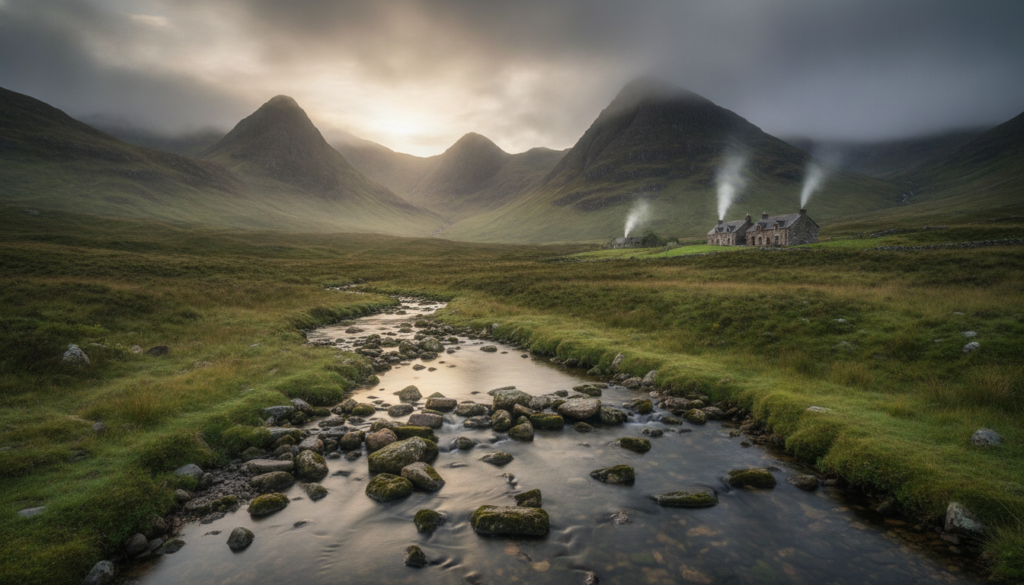
Stepping into the Scottish Highlands feels like walking directly into the pages of an ancient, forgotten storybook. This region serves as a sanctuary for those who crave a connection to the past, where the landscape itself tells a story of clans, battles, and quiet endurance.
Why the Highlands feel suspended between history and legend
The region is the ultimate destination for folklore travel, where every crumbling stone ruin and deep, dark loch carries a whisper of the supernatural. You will find that the heather-covered moors and rolling fog create an atmosphere that feels entirely detached from the modern world.
It is easy to lose your sense of time here. The environment does not just host history; it preserves it in a way that makes legends feel like they could manifest at any moment.
What makes the Scottish Highlands stand above more polished destinations
Unlike resort-heavy locations that prioritize comfort and predictability, Scottish Highlands travel offers a raw, unfiltered experience. You are not here for luxury amenities, but for the unpredictable weather and the profound silence that settles over the glens.
This lack of curation is exactly what makes the region so compelling. When you embrace the rain and the wind, you stop being a mere tourist and start becoming a participant in the landscape’s rugged character.
What you should know before seeking solitude in the Highlands
Finding true peace in a remote wilderness requires more than just showing up with a map. You must account for long, winding driving distances and the reality that weather conditions can shift in a matter of minutes.
Respectful access is vital when you explore these fragile environments. Always stick to marked paths and leave no trace behind to ensure that the quiet beauty of the Highlands remains intact for those who follow in your footsteps.
The Namib Desert: An Otherworldly Landscape Written in Sand
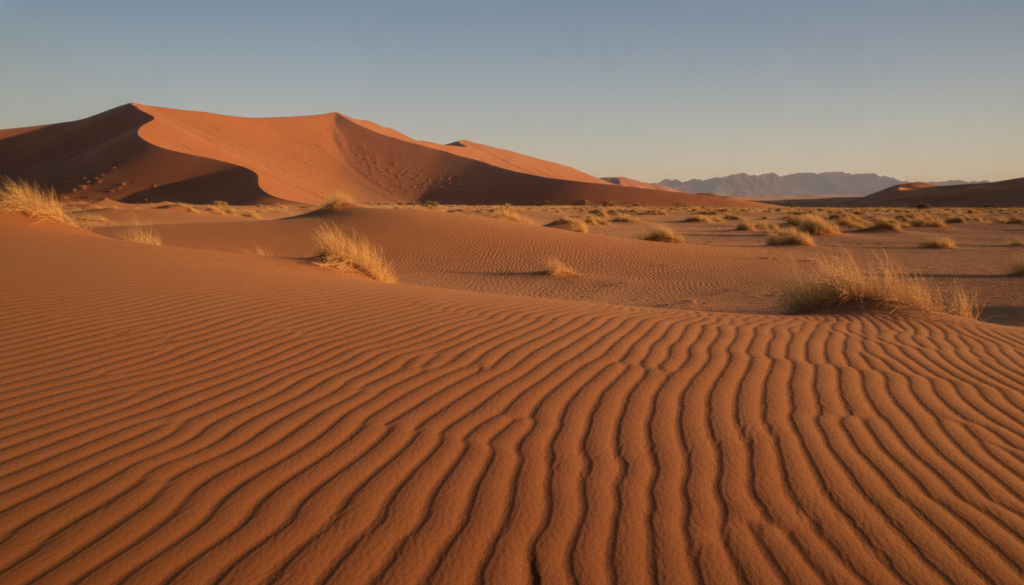
Stepping into the Namib Desert feels like walking onto the surface of a distant, forgotten planet. This vast expanse of shifting sand and ancient stone creates a visual experience that defies standard travel expectations. You will find yourself surrounded by some of the oldest and tallest dunes on Earth, where the silence is as profound as the scenery is dramatic.
How towering dunes and empty horizons create a surreal experience
The sheer scale of these desert landscapes can be overwhelming to the human eye. As you stand at the base of a massive dune, the horizon seems to stretch into infinity, blurring the line between the earth and the sky. The play of light and shadow across the sand creates a constantly changing canvas that feels more like a dream than a physical location.
The tension between harsh conditions and unforgettable beauty
Survival in this environment is a delicate balance, yet the aesthetic rewards are immense. You must prepare for extreme heat during the day and biting cold once the sun dips below the horizon. This contrast between the unforgiving climate and the breathtaking golden light makes every moment spent here feel earned and deeply significant.
Why the Namib feels more alien than simply remote
The Namib is not just a distant corner of the world; it is a place where the rules of nature seem to shift. You might encounter the eerie sight of rusted shipwrecks half-buried in sand or the bleached remains of whales resting miles from the ocean. These strange collisions of maritime history and arid wilderness contribute to an atmosphere that feels truly extraterrestrial.
How you can explore responsibly in a fragile desert environment
Because this ecosystem recovers slowly from human impact, your presence requires careful consideration. Practicing responsible travel ensures that these pristine sands remain untouched for future generations. Keep these essential guidelines in mind during your expedition:
- Always stick to established tracks to avoid damaging the fragile desert crust.
- Carry more water than you think you need to stay safe in the intense heat.
- Hire local guides who understand the nuances of wildlife protection and navigation.
- Respect the dark-sky environment by minimizing artificial light at night.
- Leave no trace, ensuring that every item you bring in also leaves with you.
The Pacific Northwest Rainforest
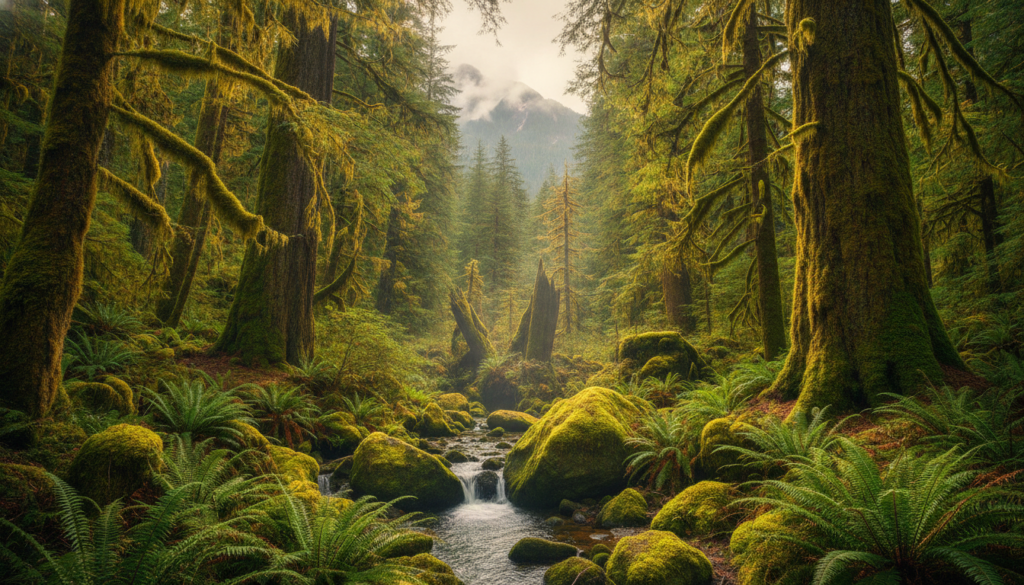
Stepping into the Pacific Northwest rainforest feels like entering a world where time slows down to the rhythm of dripping water. The air here is thick with the scent of pine needles and damp earth, creating an atmosphere that feels both ancient and deeply personal. You will find that this environment offers a rare chance to disconnect from the noise of modern life.
Why moss-covered forests and coastal fog invite your imagination
The Pacific Northwest rainforest is defined by its vibrant shades of green and the persistent coastal fog that clings to the canopy. Thick carpets of moss drape over fallen logs and towering hemlocks, turning the forest floor into a soft, velvet landscape. This constant moisture creates a dreamlike quality that naturally invites your mind to wander and explore.
How this outland stands apart from traditional fantasy landscapes
While many people compare these woods to classic fantasy landscapes, the magic here is entirely real and ecological. You will not find dragons or crumbling ruins, but you will encounter complex life cycles and towering old-growth trees that have stood for centuries. The true wonder lies in the intricate balance of the ecosystem rather than any invented myth.
What you may discover when you slow down instead of chasing landmarks
When you choose to linger on a quiet trail, you begin to notice the subtle details that define the forest. Instead of rushing to reach a famous viewpoint, you might observe the way light filters through the mist or how ferns unfurl in the shade. This approach to travel allows you to connect with the environment on a much deeper level.
- Listen for the distinct calls of native birds hidden in the canopy.
- Observe the diverse textures of lichen and fungi on the forest floor.
- Notice the changing patterns of light as the coastal fog shifts.
- Find a quiet spot to sit and experience the silence of the woods.
Why conservation should shape your experience of the rainforest
Practicing responsible travel is essential to keeping these delicate ecosystems healthy for future generations. By staying on marked trails, you protect the fragile root systems and moss beds that define the beauty of the region. Treating the forest with respect ensures that your visit leaves no trace behind, allowing the wilderness to remain as enchanting as you found it.
Patagonia: Your Encounter With the Wild at the Edge of the World
If you seek a place where the map ends and true adventure begins, look toward the southern tip of South America. Patagonia travel offers a rare chance to step into a landscape that feels entirely untouched by modern life. Here, the sheer scale of the environment forces you to slow down and appreciate the raw power of nature.
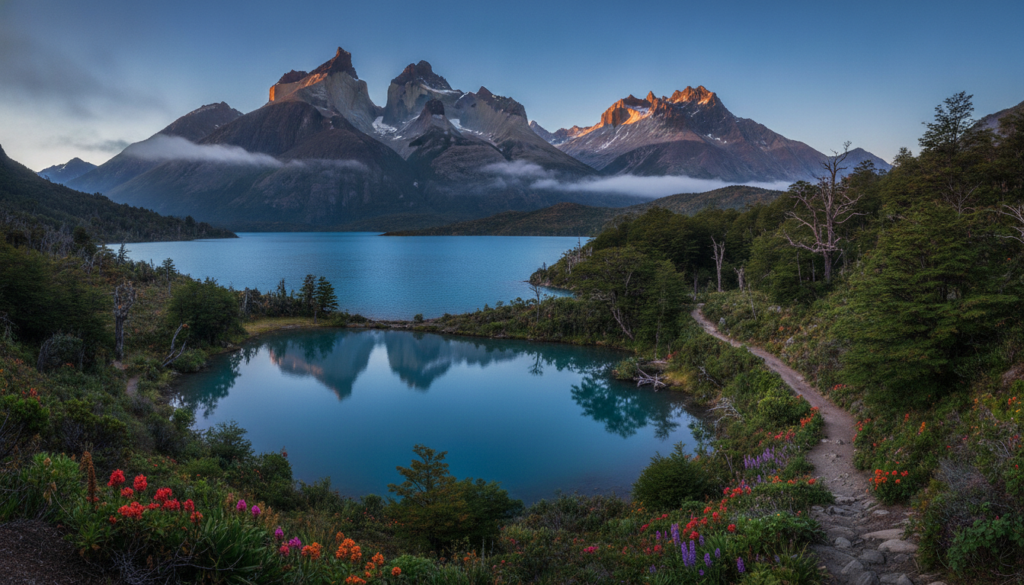
How glaciers, granite peaks, and powerful winds create a mythic scale
The geography of this region is defined by massive ice fields and towering granite spires that pierce the sky. These formations create a sense of wonder that feels almost legendary, even without the need for folklore. Powerful winds sweep across the plains, constantly reshaping the terrain and reminding you that this land remains in a state of perpetual motion.
The emotional force of Patagonia’s remoteness
Venturing into this remote wilderness changes your perspective on time and space. You will find long stretches where the only sounds are the wind and the distant cracking of ancient glaciers. This isolation acts as a mirror, allowing you to reflect on your own journey while surrounded by the silence of the earth.
How unpredictable conditions become part of the adventure
Weather in this region changes in an instant, turning a sunny morning into a stormy afternoon. Rather than fighting these shifts, embrace them as a core part of your wilderness adventure. These sudden changes ensure that no two days are the same, keeping you fully present in every moment of your trip.
Why Patagonia rewards patience, preparation, and respect for wilderness
Success in this environment requires more than just a sturdy pair of boots. You must prioritize layered clothing, careful route planning, and a flexible itinerary that accounts for the whims of the climate. By choosing experienced guides and respecting the fragility of the ecosystem, you ensure that your visit leaves the landscape as pristine as you found it.
The Scottish Isle of Skye: A Compact World of Fairytale Geology
Stepping onto the Isle of Skye feels like entering a realm where the boundary between reality and fantasy dissolves. This island is a premier destination for those who love folklore travel, offering a landscape that seems crafted by ancient storytellers. You will find that the dramatic terrain invites you to lose yourself in a world of myth and natural wonder.
Why Skye’s rugged formations feel designed for legends
The geology of the island is nothing short of theatrical. Jagged peaks like the Old Man of Storr and the Quiraing create some of the most striking fantasy landscapes in the world. These formations look as if they were carved by giants, making it easy to understand why local myths are so deeply rooted in the land.
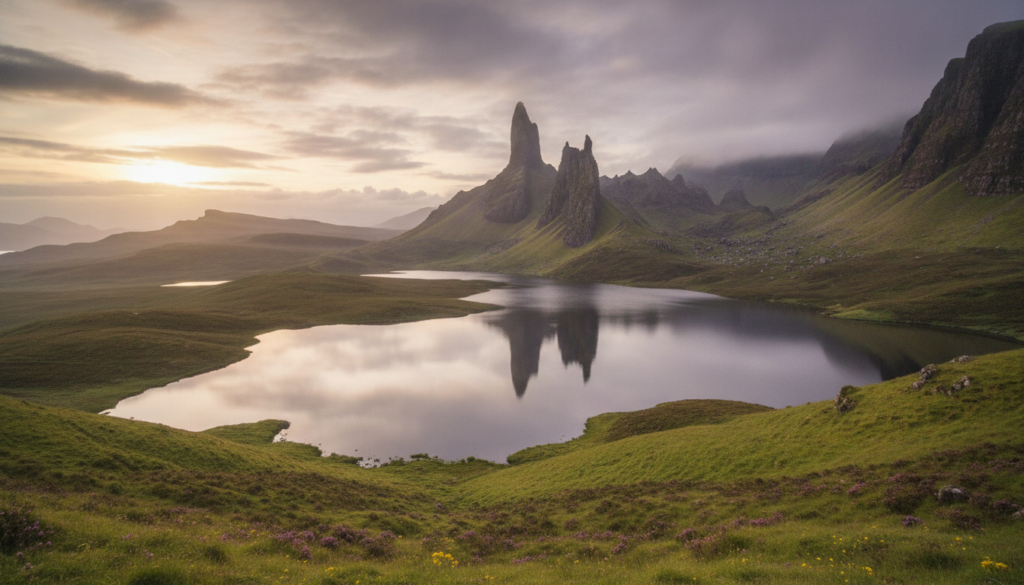
What makes Skye more intimate than larger wilderness destinations
Unlike vast, sprawling mountain ranges, Skye offers a compact experience that is easy to navigate. You can witness a dramatic sea cliff in the morning and explore a quiet, mist-filled glen by the afternoon. This scale allows you to feel a personal connection to the environment without needing weeks of travel time.
How you can look beyond the most photographed viewpoints
While the famous landmarks are breathtaking, the true magic of the island often hides in the quiet corners. You should consider taking the time to walk the lesser-known coastal paths or visit small, remote villages. These hidden spots offer a deeper sense of peace and a more authentic look at island life.
The balance between accessible wonder and growing visitor pressure
The popularity of the island means that some areas can become quite crowded during the peak summer months. To ensure your visit remains a positive experience for both you and the local community, consider these tips for responsible exploration:
- Visit during the shoulder seasons of spring or autumn to avoid the largest crowds.
- Always stick to marked trails to protect the fragile moorland vegetation.
- Support local businesses, cafes, and artisans to keep the island economy thriving.
- Practice “leave no trace” principles to preserve the beauty of the landscape.
- Respect private property and local farming activities when hiking through rural areas.
By choosing to engage with the island thoughtfully, you help maintain its charm for future travelers. Your commitment to sustainable folklore travel ensures that the mystery of the landscape remains intact for years to come.
Madagascar’s Tsingy de Bemaraha: A Stone Forest Unlike Anywhere Else
Imagine a world where the ground is made of razor-sharp limestone needles reaching toward the sky. This is the reality of the Madagascar Tsingy de Bemaraha, a place that feels more like a fantasy realm than a terrestrial destination.
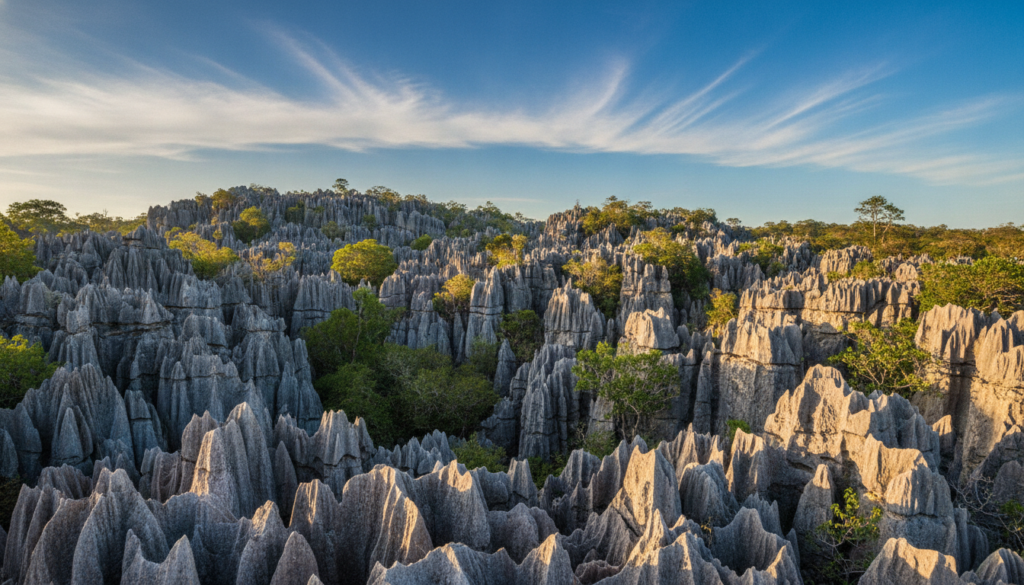
How razor edged limestone creates a landscape that seems impossible
The landscape consists of massive, vertical limestone pillars carved by centuries of tropical rain. These formations create a labyrinth of narrow canyons and sharp ridges that are difficult to navigate.
You will find that the stone forest looks like a frozen, jagged sea. It is a geological masterpiece that challenges your perception of how landscapes can evolve over time.
The rare wildlife and evolutionary stories that deepen the mystery
This environment serves as a sanctuary for species found nowhere else on Earth. Lemurs, for instance, have adapted to leap across the razor-sharp rocks with incredible precision.
These evolutionary stories add a layer of biological wonder to the stone forest. Every creature here has a unique history tied to the extreme conditions of the region.
Why Madagascar’s isolation makes this outland especially compelling
The sheer remoteness of this area protects it from the pressures of modern tourism. Because it is so difficult to reach, it remains a pristine wilderness adventure for those willing to make the trek.
This isolation ensures that the mystery of the landscape remains intact. You are not just visiting a park; you are entering a hidden corner of the world that time seems to have forgotten.
What you should consider before choosing a demanding expedition
Preparing for this trip requires a high level of physical fitness and mental endurance. You must be ready for intense heat, narrow suspension bridges, and rugged terrain that demands constant focus.
Always hire a local guide to navigate the complex paths safely. Proper footwear and lightweight, breathable clothing are essential for your comfort during this challenging wilderness adventure.
Respect the fragile ecosystem by following all conservation guidelines provided by park authorities. Choosing to visit the Madagascar Tsingy de Bemaraha is a serious commitment, but the reward is an experience that stays with you forever.
The American Southwest: Desert Light, Sacred Space, and Ancient Memory
When you step into the vast expanse of the American Southwest, you enter a world defined by light and ancient memory. This region does not rely on myths or fairy tales to capture your attention. Instead, it commands respect through its sheer physical presence and the weight of its history.
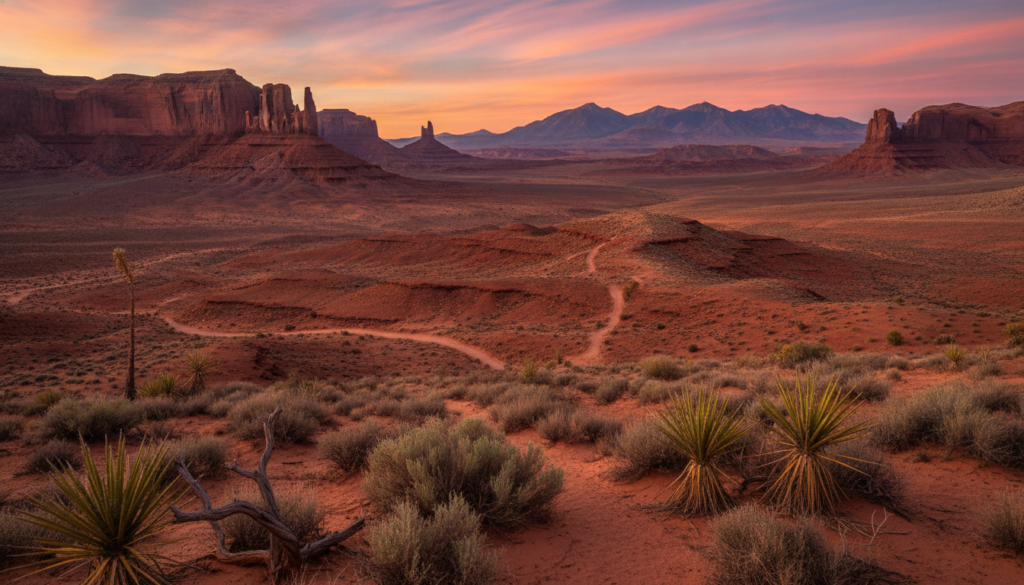
Why red-rock country can feel spiritual without being fantastical
The beauty of these desert landscapes lies in their raw, unadorned reality. You might find that the towering sandstone cliffs and deep canyons evoke a sense of awe that feels deeply spiritual. This feeling arises from the quiet majesty of nature rather than any imagined magic.
The way sunlight shifts across the rock faces throughout the day creates a living, breathing environment. You are witnessing a landscape that has been sculpted by wind and water over millions of years. This connection to the earth provides a grounding experience that is rare in our modern, fast-paced lives.
The importance of Indigenous history and living cultural traditions
To truly understand this region, you must acknowledge the people who have called it home for millennia. Indigenous history is not just a relic of the past; it is a vibrant, living part of the present. Practicing Indigenous travel respect means recognizing that many of these sites are still sacred to local tribes.
When you visit, take the time to learn about the cultural significance of the land from those who know it best. Supporting local interpretation centers and guided tours helps ensure that your visit honors the traditions of the original stewards. This approach transforms your trip from a simple sightseeing tour into a meaningful cultural exchange.
Why the Southwest offers mystery through scale, silence, and time
The American Southwest challenges your perception of scale. The vast horizons and deep, silent canyons make you feel small in the best possible way. This silence is not empty; it is filled with the echoes of ancient civilizations and the slow passage of geological time.
You will find that the mystery here is found in the details. It is in the petroglyphs etched into stone, the hidden springs, and the way the stars dominate the night sky. By slowing down, you allow the environment to reveal its secrets at its own pace.
How you can visit iconic places with greater humility and care
Responsible travel is essential when exploring such fragile and significant environments. Always stay on designated trails to protect the delicate desert crust and archaeological sites. Avoiding restricted areas is a simple but vital way to show respect for the land and its history.
Pack out everything you bring with you and leave the landscape exactly as you found it. By approaching these iconic landmarks with humility, you help preserve their integrity for future generations. Your mindful presence ensures that the mystery of the Southwest remains intact for everyone who follows in your footsteps.
How You Can Choose the Mystic Outland That Fits Your Imagination
Your journey into nature-based travel begins by deciding what kind of atmosphere speaks to your soul. Selecting the right destination depends on your preferred level of physical activity, your desire for solitude, and the specific type of wonder you hope to encounter. By matching your personal travel style to these mystic outlands, you ensure a more meaningful experience.
Choose the Scottish Highlands or Skye for folklore and atmospheric walks
If you find yourself drawn to legends and misty, rolling hills, these locations are your ideal match. They offer a perfect blend of history and natural beauty that feels deeply rooted in ancient stories. You will enjoy slow-paced exploration where every path feels like a walk through a living fairy tale.
Choose the Namib or American Southwest for stark, dreamlike scenery
These regions are perfect for travelers who appreciate the beauty of vast, open spaces and dramatic light. The silence of the desert creates a surreal environment that encourages deep reflection and awe. Engaging in nature-based travel here allows you to witness how light and shadow transform the landscape into a dreamlike canvas.
Choose Patagonia or Madagascar for demanding wilderness and discovery
For those who seek a true challenge, these remote destinations provide an unmatched sense of adventure. You will encounter rugged terrain and unique ecosystems that reward your physical effort with breathtaking views. These mystic outlands are best suited for explorers who value discovery and are prepared for the demands of wild, untamed environments.
Choose the Pacific Northwest for accessible enchantment and deep forests
If you prefer lush, green landscapes that feel magical without requiring extreme physical exertion, look toward the Pacific Northwest. The moss-covered trees and coastal fog create an accessible, enchanting world for any traveler. It is a wonderful choice for those who want to immerse themselves in nature while staying close to the comforts of civilization.
Conclusion
Your journey into the unknown does not require the most remote corner of the map to be truly transformative. The most meaningful experiences often arise when you choose a destination that aligns with your personal sense of wonder rather than just chasing the most dramatic peaks or difficult trails. Engaging in thoughtful nature-based travel allows you to find magic in the quietest corners of the earth.
Whether you are drawn to the heavy mist of a forest or the vast, silent scale of a desert, each landscape offers a unique way to reconnect with your surroundings. These mystic outlands serve as mirrors for your own curiosity, inviting you to slow down and observe the world with fresh eyes. By prioritizing a deep connection to the environment, you turn a simple trip into a lasting memory.
To make the most of your next adventure, consider these essential qualities for a meaningful journey:
- Practice patience to fully absorb the atmosphere of your chosen destination.
- Maintain deep curiosity about the history and geology of the land.
- Show genuine cultural respect for the people and traditions you encounter.
- Foster an attentive relationship with the natural world through sustainable nature-based travel.
Ultimately, the best outland is the one that encourages you to step outside your comfort zone with humility. When you approach these spaces with an open heart, you discover that the true mystery lies in your own capacity for discovery. May your future travels bring you closer to the wild, quiet, and sacred places that define our beautiful planet.