
Best Travel Hacks for Long Flights
Travel hacks for long flights: My favorite ways to stay comfortable, entertained, and refreshed, from smart packing tips to in-seat essentials on board.
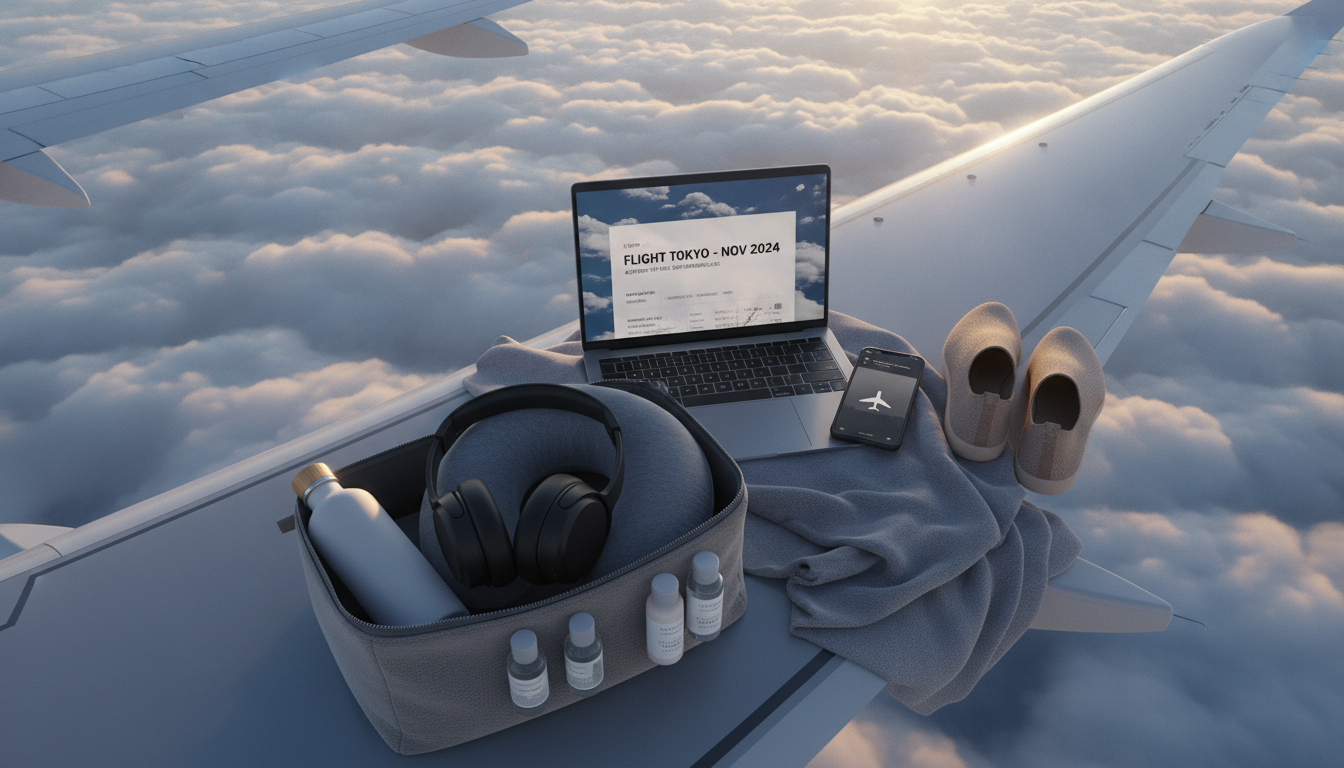
Table of Contents
Crossing the Atlantic from New York to Europe can test your endurance. After twelve hours in a cramped cabin, even seasoned globetrotters feel the journey’s strain.
A few smart habits can improve your experience. These travel hacks for long flights can make an exhausting ordeal easier to manage.
Success starts well before you reach the gate. Choose your seat carefully and pack the right essentials for a better trip. Simple changes to hydration, sleep patterns, and movement can help you feel refreshed.
No one expects to land perfectly rested. Still, these practical travel hacks for long flights can help you arrive ready to explore. Let’s explore routines that make every mile easier.
Why Long-Flight Comfort Starts Before You Reach the Airport
True relaxation on a long-haul flight begins before you enter the terminal. Many travelers think comfort depends only on luck after boarding. Good long-haul flight planning helps control your surroundings and reduce stress from booking onward.
Choose a Seat Based on Your Personal Travel Priorities
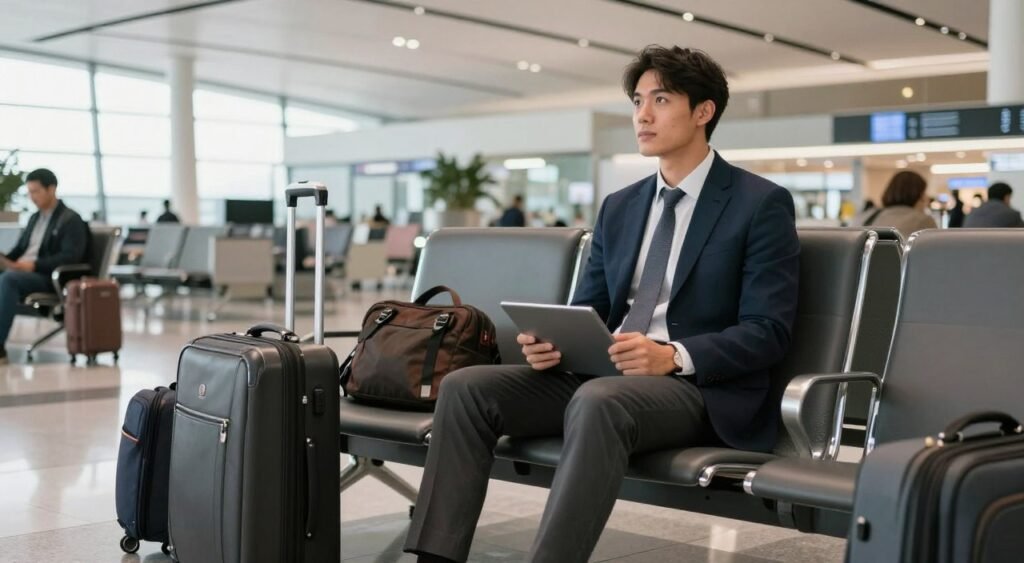
To choose the best airplane seat, balance your needs with the aircraft’s layout. If you need to move often or reach the restroom easily, choose an aisle seat. If you sleep leaning against a wall, a window seat offers more value.
Be careful when choosing an exit-row seat for extra legroom. These seats offer more space but often sit near doors with thinner insulation. That can make the flight colder and reduce your long-flight comfort.
Use Flight Duration, Layovers, and Departure Times to Plan Ahead
Your itinerary affects how you should prepare for your journey. A red-eye flight needs a different plan than a daytime trip, especially for sleep. Review departure times, then adjust your routine before travel to reduce jet lag.
Layovers let you stretch your legs and reset your body. With proactive long-haul flight planning, you can find airports with walking paths or quiet zones. This can prevent fatigue from sitting in a cramped cabin for many hours.
Check Airline Policies Before Packing Comfort Items
Before going to the airport, review your airline’s specific rules. Some carriers restrict footrests, seat cushions, or specialized pillows. You do not want to reach your gate and learn your favorite gear is prohibited.
Knowing the rules early helps you choose the best airplane seat and pack wisely. When you know what the plane allows, you can bring items that improve your trip. Preparation offers the most reliable way to enjoy a smooth, pleasant journey.
Travel Hacks for Long Flights That Make Packing Easier
Rethink how you pack your carry-on bag to improve your travel experience. These travel packing tips can reduce stress from carrying heavy, disorganized luggage. A streamlined approach gives you what you need without extra weight.
Build a Small In-Flight Kit Instead of Overpacking
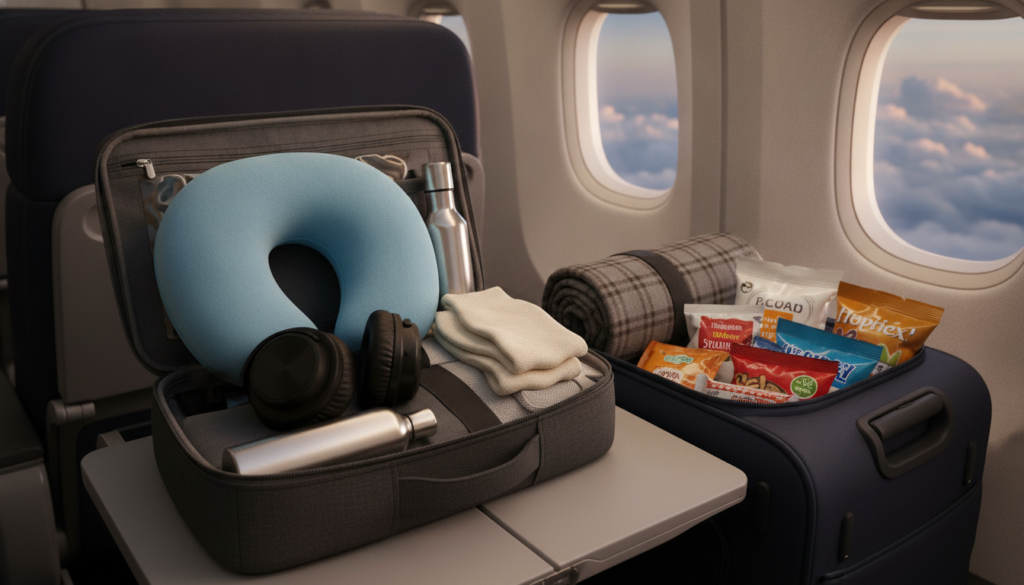
Build a compact in-flight kit instead of packing items you may never use. Include carry-on essentials such as noise-canceling headphones, a comfortable eye mask, and a portable charger. Travel-sized skincare products and a toothbrush can help you feel refreshed before landing.
Pack compression socks to improve circulation during long hours in the air. Add a few healthy snacks with protein and fiber to keep your energy steady. Keep these items together so you can grab them easily when needed.
Separate In-Seat Essentials From Items Stored in the Overhead Bin
Organization is key to a smooth flight. Keep your primary carry-on essentials in a small pouch or secondary bag under the seat. Then you can reach your belongings without standing or repeatedly using the overhead bin.
Store larger items, such as extra layers, bulky electronics, or heavy books, in the overhead compartment. Separating your gear prevents frustration while passengers move through the aisle. This habit keeps your space tidy and your journey more relaxed.
How to Dress for Comfort Without Looking Completely Disheveled
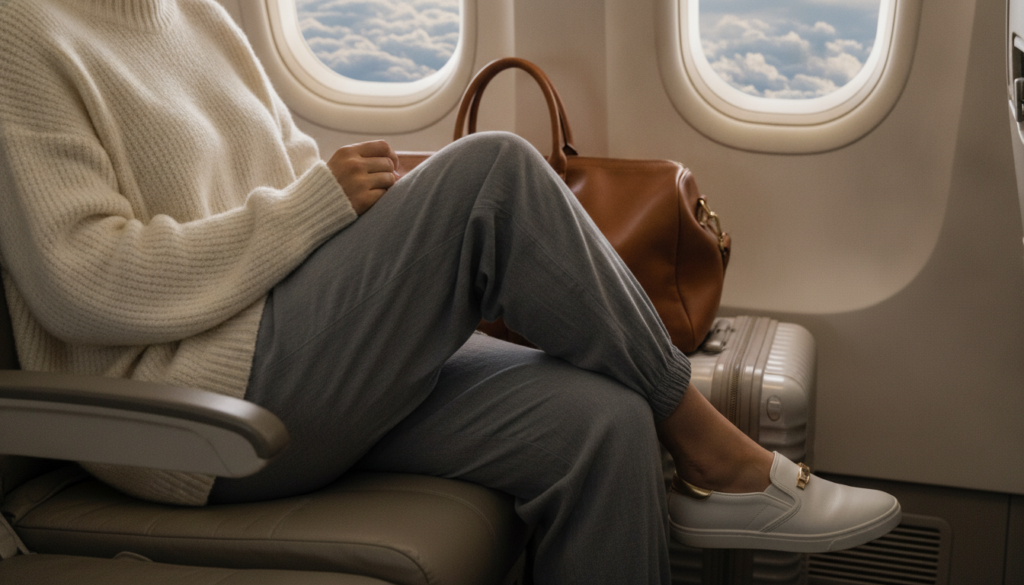
The perfect airplane outfit helps you reach your destination feeling fresh instead of tired. Choose soft, flexible materials with a polished look that builds confidence. Comfort does not mean you must look messy or unkempt.
Layer Clothing for Changing Cabin Temperatures
Airplane cabins often change from cold to hot, leaving you shivering or sweating. Wear breathable base layers that you can easily add or remove. A light wrap or stylish scarf adds warmth without filling your carry-on.
Choose Stretchy Fabrics and Nonrestrictive Waistbands
Long periods of sitting can cause bloating and swollen legs. Comfortable travel clothes made from stretchy, quality fabrics let your body move freely. Avoid tight belts and stiff denim because they can restrict circulation and prevent you from relaxing.
Wear Supportive Shoes That Are Easy to Remove at Security
Your shoes matter as much as your clothes in a busy airport. Choose supportive travel shoes with enough cushioning for long terminal walks. Slip-on shoes make security checks easier and let you rest your feet at cruising altitude.
Make Your Airport Time Work in Your Favor
Your airport experience improves when you manage time before takeoff. Use a proactive pre-flight routine to avoid the frantic feeling of long-haul travel. These airport travel tips help you feel calm before you board the aircraft.
Arrive Early Enough to Handle Delays Without Panic
Extra time at the terminal is the best way to avoid needless stress. Early arrival makes security lines and gate changes minor problems, not major crises. This buffer lets you move through the terminal at a relaxed pace.
If your flight leaves late at night, eat a nutritious meal at the airport. Finish dinner before boarding so you can skip the heavy airline meal service. This choice helps you enter sleep mode faster once you are in the air.
Fill Your Water Bottle After Security and Before Boarding
Hydration matters on long flights, but security does not allow liquids. After the checkpoint, find a water refilling station and fill your reusable bottle. Easy access to water keeps you from relying only on the limited cups from flight attendants.
Walk, Stretch, and Use the Restroom Before Getting on the Plane
Your body will stay in a small seat for many hours, so use the space now. Walk through the terminal, get your blood flowing, and do light stretches. This movement can reduce stiffness before you must stay in your seat.
Stop at the restroom just before your boarding group is called. This habit keeps you from climbing over seatmates during the flight’s early part. It is a small pre-flight routine step that greatly improves comfort.
Board With a Clear Plan for Stowing Your Carry-On
Smooth boarding takes a little planning. Know which items you need at your seat and which belong in the overhead bin. Organize your belongings before reaching your row to prevent aisle bottlenecks.
Keep essentials, such as headphones, a book, and your water bottle, in a smaller bag under the seat ahead. This gives you what you need without standing after the seatbelt sign turns on. Planning ahead makes boarding much more manageable.
Build a Sleep Strategy That Matches Your Arrival Time
To sleep on a long flight, make a plan instead of simply closing your eyes and hoping. Plan your rest around the destination so your body clock can adjust before landing. These choices can improve your energy when you arrive.
Use the Destination Time Zone to Decide When to Sleep
The best way to prepare for a new time zone is to shift your schedule right away. If you land in the morning, sleep during the first half of the flight. If you arrive at night, stay awake until your local bedtime.
Tools like Timeshifter can help with this process. These apps create personalized schedules for sleep, light exposure, and caffeine based on your itinerary. Following these expert jet lag tips can slowly move your internal clock toward destination time.
Combine an Eye Mask, Neck Support, and Noise Reduction
Cabin activity can make a steady sleep setting hard to create. Light strongly affects your brain, so a quality eye mask blocks unwanted cabin lights. This simple step helps your body produce the melatonin needed for deep rest.
Physical comfort also matters for quality rest. A supportive neck pillow stops your head from bobbing, while noise-canceling headphones or earplugs block engine hum. Together, these tools create a private space that makes it easier to sleep on a long flight in any setting.
Stay Hydrated and Fed Without Relying Entirely on Airline Service
Do not rely entirely on airline meal service for comfort. Taking charge of your nutrition can prevent the sluggish feeling caused by processed cabin food. These flight hydration tips can help you feel more alert after landing.
Drink Water Regularly Without Turning Every Hour Into a Bathroom Trip
Begin hydrating before you reach the airport. Drinking plenty of water before your flight helps your body stay balanced in dry cabin air. If plain water is not enough, add electrolyte powder to your bottle for better absorption.
To limit bathroom trips, sip water slowly instead of gulping large amounts. Avoid carbonated drinks because they can cause bloating and discomfort at high altitudes. Choose still water to keep your system comfortable throughout the journey.
Pack Snacks With Protein, Fiber, and Minimal Mess
Choosing the right food matters as much as staying hydrated. For healthy airplane snacks, choose foods that are easy to eat and will not scatter crumbs. Raw nuts, protein bars, and dried fruit provide steady energy without the heavy salt in many airline meals.
Avoid spicy or greasy foods because they may be hard to digest while sitting for long periods. Fiber-rich snacks, such as apples or carrot sticks, can help you feel full. Keeping these items in your carry-on gives you a reliable meal if your flight is delayed.
Keep Caffeine Timed Around Sleep and Arrival Plans
Caffeine can help, but use it with care. If you need to sleep on the plane, avoid coffee or strong tea at least six hours before resting. Avoid alcohol, too, because it dehydrates your body and harms sleep quality.
Plan caffeine use around your arrival schedule. If you land in the morning, coffee shortly before descent can help you feel refreshed and ready. Careful intake can help you arrive energized instead of exhausted.
Keep Your Body Moving in a Tiny Economy-Class Space
Keeping your body active helps you reach your destination feeling refreshed. Even in economy seats, simple in-flight exercises improve blood flow and ease muscle tension.
Perform Simple Ankle, Calf, and Shoulder Movements in Your Seat
Start with your lower legs to prevent stiffness. Rotate your feet clockwise, then counter-clockwise, for a few minutes. Try seated calf raises by lifting your heels while keeping your toes on the floor.
Gentle shoulder rolls release tension in your neck and back. If you have a tennis ball in your carry-on, roll it under your feet to wake tired muscles. These small, low-key movements are highly effective for maintaining comfort throughout your journey.
Stand Up and Walk the Aisle When It Is Safe to Do So
Remaining seated for the entire flight can harm your airplane circulation. When the seatbelt sign is off and the crew allows it, stand and stretch your legs. Aim to walk the aisle every one to two hours to keep your joints loose.
Walking helps reset your posture and gives you a much-needed break from your seat. Respect the crew and other passengers while moving through the cabin. A quick trip to the back of the plane often makes a significant difference.
Use Layovers for Purposeful Movement Rather Than More Sitting
Layovers let you raise your heart rate before your next flight. Instead of sitting at the nearest gate, take a brisk walk through the terminal. Many airports offer dedicated walking paths or quiet areas for stretching.
Use this time for deeper stretches that are impossible in your seat. Prioritizing movement during your stopover prepares your body for the next leg. This proactive approach helps you reach your final destination feeling better than if you remained sedentary.
Use Entertainment to Avoid Both Boredom and Screen Fatigue
Build a varied media collection before leaving home to avoid boredom. Depending on the seatback screen or weak cabin Wi-Fi can cause frustration. A plan for long-flight entertainment keeps you busy during technical problems.
Download Movies, Podcasts, Music, and Books Before Leaving Home
Download favorite movies, podcasts, music, and books directly to your devices. Services like Netflix, Spotify, and Audible let you save files for later. Your chosen media will be ready when you reach cruising altitude.
Check your storage space before going to the airport. A mix of genres can keep your brain engaged throughout the journey. Save a gripping thriller or relaxing playlist locally for easy access.
Bring More Than One Kind of Activity for Different Energy Levels
Watching a screen for ten hours can cause eye strain and fatigue. Pack activities without screens to give your eyes a needed break. Bring a physical book, crossword puzzle, or travel journal.
When your energy is high, try an interactive podcast or complex documentary. When you feel tired, choose soothing music or an audiobook. Options for every mood can prevent a digital loop.
Save Offline Content in Case Wi-Fi Is Unavailable or Unreliable
Never assume onboard internet will work or stream fast enough. Reliable offline entertainment protects you from unexpected connection problems. Check that downloads are complete and accessible while connected to your home network.
Many platforms offer features that help you prepare for travel. For example, TikTok lets you save up to 200 videos for offline viewing. These tools provide content even when the plane is completely disconnected from the world.
Protect Your Devices, Data, and Important Travel Information
Keeping your digital life secure matters as much as packing your suitcase. Travel now depends on technology, so a clear plan for electronics and sensitive information supports a stress-free trip.
Prioritize organization before reaching the terminal. Manage your digital assets well to avoid common problems and stay connected throughout your journey.
Use the Airline App and Offline Copies of Key Documents
Most major carriers offer an airline app travel documents feature for boarding passes and flight status. Still, relying only on Wi-Fi can cause problems when the network is slow or unavailable.
Before leaving home, screenshot your boarding passes, hotel reservations, and identification details. These offline copies keep critical information available in airplane mode or with a weak connection.
Protect Your Phone and Laptop During Security Checks and Seat Changes
To protect devices while traveling, keep them charged and accounted for at all times. In-seat power outlets may fail, so fully charge your phone, tablet, and headphones before boarding.
Carry a portable power bank in your personal item if your seat port fails. During security checks or seat changes, check nearby bins and seat pockets for forgotten gadgets.
A secure airline app travel documents manager helps you stay organized, but physical security also matters. Before leaving your seat, verify your gear to help protect devices while traveling throughout your trip.
Handle Common Long-Flight Problems With Less Stress
Even experienced travelers face common long-flight problems that can disturb their peace of mind. You cannot control every part of the journey, but you can control your response to minor troubles. Preparation and calm can keep your trip as comfortable as possible.
Manage Dry Cabin Air, Congestion, and Pressure Changes
Low humidity in airplane cabins often causes dry skin and nasal congestion. Keep a small pouch in your seat pocket with moisturizer, lip balm, and saline nasal spray. Drink water often to stay hydrated, but avoid too many restroom trips.
Pressure changes during takeoff and landing can cause ear discomfort. Chewing gum or using specialized earplugs can help equalize pressure. If you feel bloated or swollen, wear loose clothing and move your legs when the seatbelt sign is off.
Respond to Delays, Seat Disruptions, and Lost Overhead Space
Unexpected delays or seat changes can frustrate you, but a positive attitude helps. If the overhead bin is full, ask a flight attendant for help instead of forcing your bag inside. Reorganizing belongings at your seat is often easier than managing them in the aisle.
Keep essential items in a small bag under the seat in front of you. This gives you access to electronics and snacks if you cannot reach the overhead bin. Staying organized reduces the stress of managing your space in a crowded cabin.
Stay Considerate When Reclining, Sleeping, or Using Shared Armrests
Good airplane etiquette helps create a pleasant flight for everyone. Recline slowly, and check behind you first so you do not hit someone’s laptop or drink. Return your seat upright during meal service as a polite choice.
- Check behind you before reclining your seat.
- Share the armrests by leaving the middle space for the person in the center seat.
- Keep your movements quiet when others are trying to sleep.
- Use headphones to keep your entertainment private.
Remember, you share a small space with many other people. Respecting noise levels and physical boundaries makes the flight more pleasant for everyone aboard. Small acts of kindness help maintain a peaceful environment.
Conclusion
Crossing oceans or continents takes more than a ticket. Using these travel hacks for long flights can turn a tiring journey into a manageable part of your adventure.
Preparation helps you arrive feeling refreshed. Small changes to your routine can greatly improve your well-being during transit.
You now have tools to manage cabin pressure, seat assignments, and personal comfort. These travel hacks for long flights help you control your surroundings, whatever your airline or seat class.
Share your favorite tips with fellow travelers on social media platforms like Instagram or X. Your experiences can help others improve their strategies for future trips.
Pack your bags with confidence and anticipate your next departure. The world awaits your arrival, and you are ready to reach it comfortably.