
The Best Places in Norway for Reflection, Hiking, and Solo Travel
I share my places in norway for reflection, hiking, and solo travel, with honest tips to help you find calm, trails, and space to think along the way.
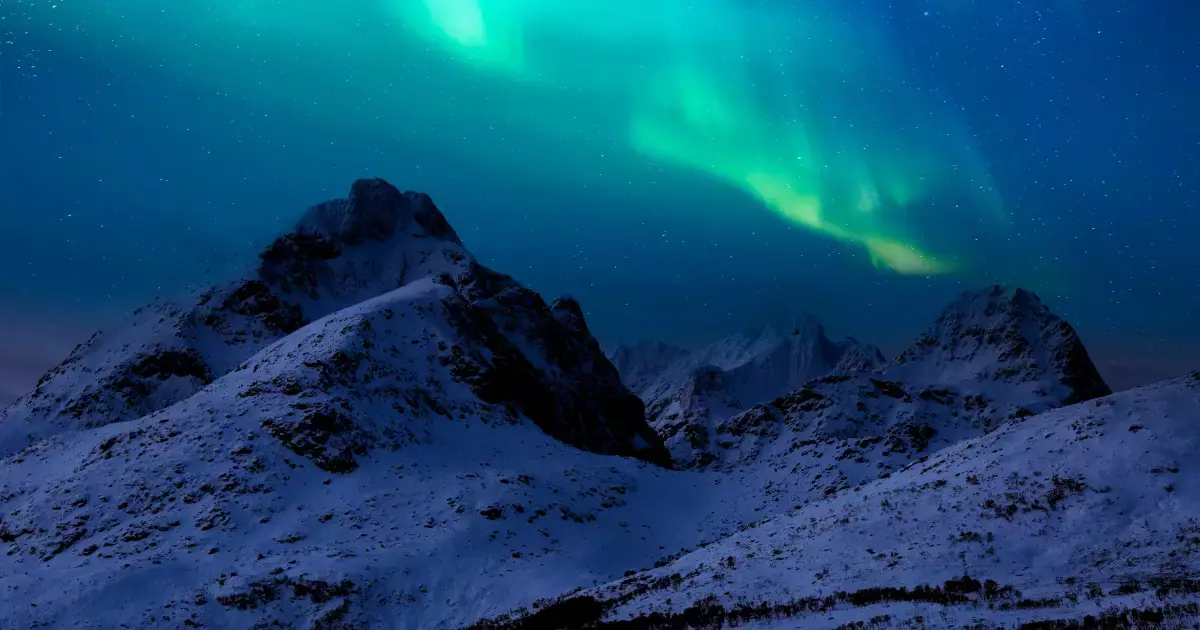
I often find that rushing through a country can weaken the meaning of a true escape. Many visitors pack too many cities into one week and feel exhausted instead of inspired. I prefer choosing specific places that let me slow down.
My goal is to share the best places in norway for reflection, hiking, and solo travel. These regions offer quiet moments, scenic trails, and rewarding experiences for independent travelers. You do not need a packed plan to enjoy Norway’s rugged beauty in the north.
Why Norway Feels Made for Solitary Reflection
Norway’s unique landscape uses nature’s vast scale to quiet the noise of everyday life. I find its wide, open spaces support personal growth and mental clarity.
How dramatic landscapes create space for quiet thought
The region’s immense geography puts my concerns into perspective. During Norway hiking, towering mountains and deep valleys block many distractions from modern life. This distance creates rare emotional quiet that I struggle to find elsewhere.
Forests and coastal areas offer seclusion that feels safe and wide open. I often feel the landscape invites introspection. These surroundings help me focus without the constant hum of city life.
My favorite places in norway for reflection, hiking, and solo travel
Choosing the best places in norway for reflection, hiking, and solo travel requires looking beyond typical tourist maps. I find rewarding trips happen when I match my needs for quiet or challenge with each region’s character. Rather than rushing between hotels, I settle in one area to understand its rhythm.
Lofoten Islands for Sea Views, Fishing Villages, and Transformative Hikes
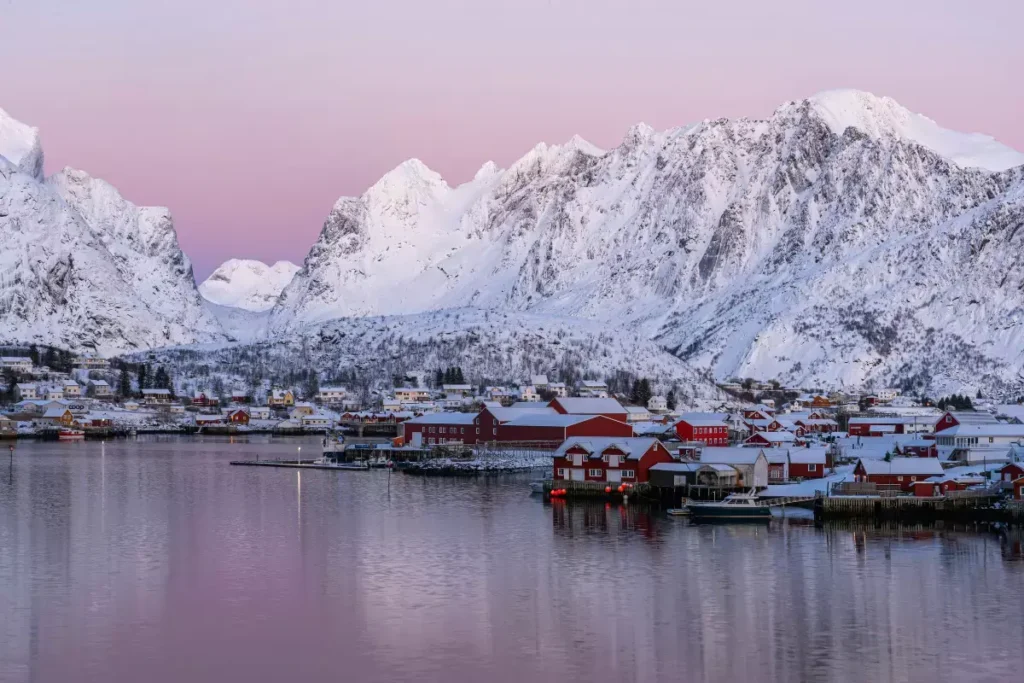
Choosing the Lofoten Islands for a solo trip means embracing a slower pace amid the world’s most iconic scenery. This archipelago balances wild, dramatic landscapes with easy travel, so solo visitors avoid feeling completely isolated. Lofoten Islands hiking can transform you when you pause to watch changing light across the fjords.
Why Reine and the surrounding islands encourage slow, attentive travel
Reine stands at the heart of this experience, with red fishing cabins beneath towering granite peaks. Its village atmosphere invites you to pause, breathe, and watch the tide move through the harbor. Staying in one base helps you follow the islands’ rhythm instead of rushing between photo opportunities.
Hiking Reinebringen with realistic expectations about crowds and steep terrain
The Reinebringen hike is famous because it offers one of Norway’s most spectacular views. However, expect a very steep climb with thousands of stone steps built by Sherpas. Its popularity brings crowds during peak summer months, so start early or late for more personal space.
Finding deeper solitude on trails near Kvalvika Beach and Ryten
For a quieter connection with nature, the Kvalvika Beach hike offers an excellent alternative to crowded summits. The trail crosses a mountain pass to a secluded beach that feels far from the main roads. Add a trek up nearby Ryten for coastal beauty, a high-altitude perspective, and quiet reflection.
Traveling solo through Lofoten without a car
You can navigate these islands without a vehicle if you plan your logistics carefully. Local buses connect the main villages, while ferries provide essential links between the outer islands. A central base lets you reach trailheads on foot or by short bus rides. This approach slows your journey, making your solo adventure more intentional and rewarding.
Jotunheimen National Park for Serious Mountain Solitude
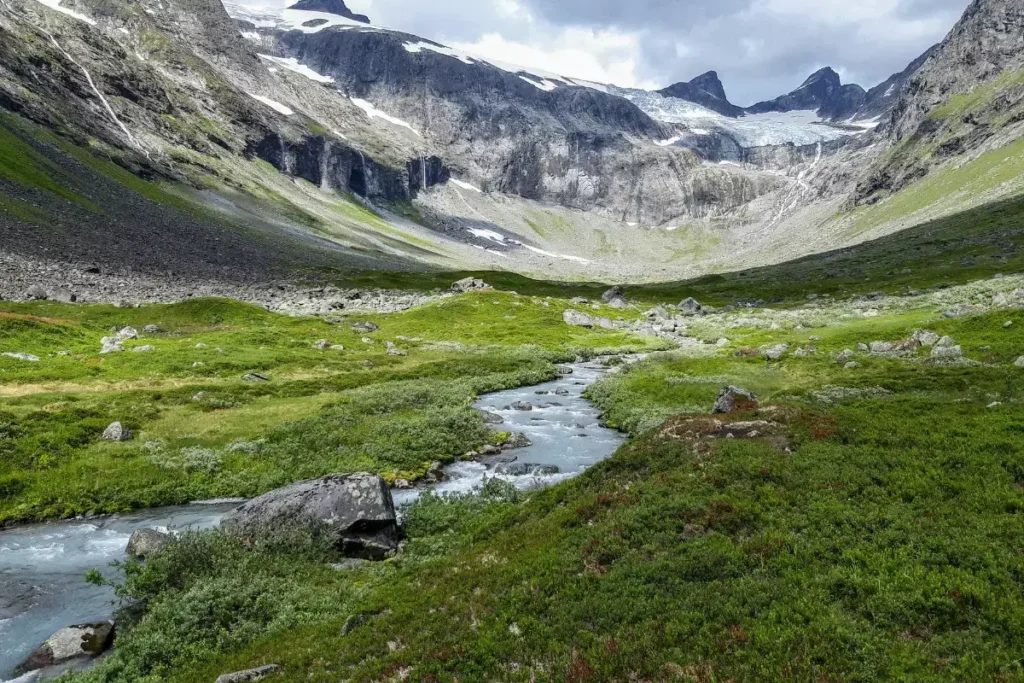
My favorite way to reset my perspective is hiking the rugged, untamed trails of Jotunheimen National Park. When daily noise grows loud, I seek the high-altitude silence found among these peaks. The demanding landscape holds my attention and helps me leave my worries behind.
Why Jotunheimen is my choice for a challenging reset
I choose this region when I want to test my physical limits. Steep climbs and rocky ground make me focus on every step. This hard effort gives my mind a natural reset.
Using Besseggen Ridge as a demanding but rewarding day hike
The famous Besseggen Ridge hike shows why serious mountain challenges require respect. I prepare for steep, exposed sections by checking the weather forecast early. Finishing this Besseggen Ridge hike gives me lasting pride long after I descend.
Building a multi-day route around mountain lodges
I often plan multi-day trips that connect several mountain lodges. These huts offer safe places to sleep and let me carry a lighter pack. This plan lets me explore deep wilderness while keeping my independence.
What Jotunheimen teaches me about responsible self-reliance
Navigating Jotunheimen National Park requires strong personal responsibility. I carry a map, extra layers, and enough food for unexpected delays. Self-reliance means turning back when conditions change or my energy fades.
Senja for Quieter Coastal Wilderness and Personal Space
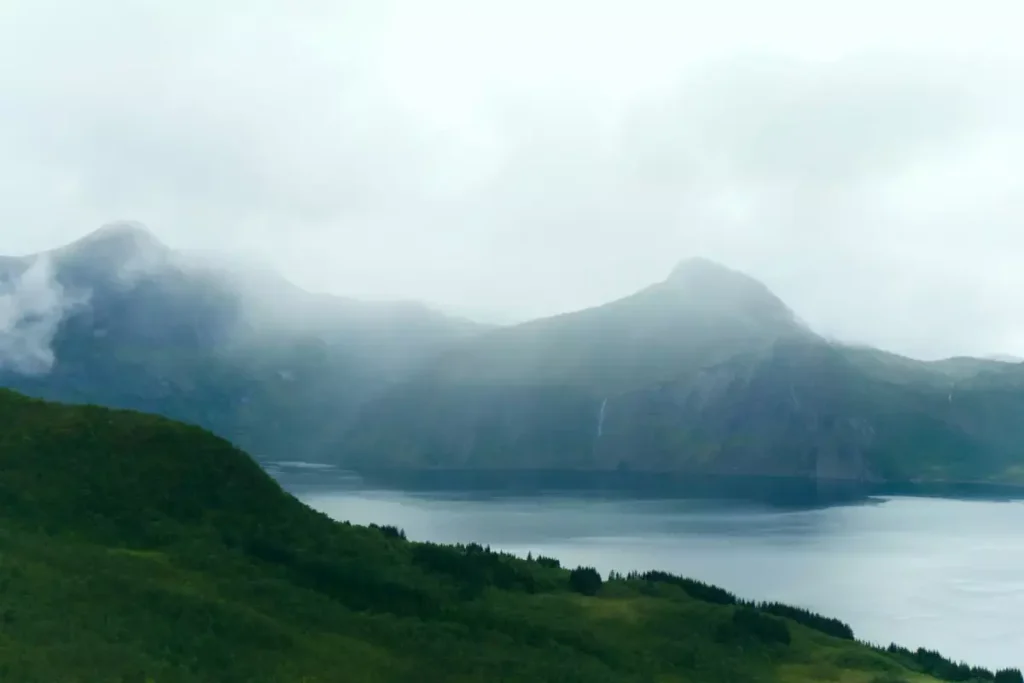
Some of my most meaningful solitary moments happen along rugged edges of the map. While travelers crowd the southern fjords, I prefer the north’s raw, untamed spirit. Senja Norway offers the quiet coastal wilderness I need for honest reflection.
Why Senja feels more intimate than Norway’s most famous destinations
Senja feels personal instead of overwhelming. Unlike busy tourist hubs, the island lets you walk for miles without meeting crowds. With less congestion, your thoughts can finally settle.
I value this island because it asks nothing of me. Here, the landscape sets the day’s pace. You can explore at your own speed, which matters on a meaningful solo journey.
Taking in Segla and Hesten without treating the landscape like a photo stop
The famous Segla hike attracts many visitors, but I approach it with care. Rather than rushing upward for a snapshot, I notice each physical step. The steep climb becomes a moving meditation that clears my mind.
At the top, I sit quietly for a while. The view feels like a reward for effort, not a digital trophy. Hesten offers a similar quiet vantage point, where jagged peaks meet the sea.
Using Bergsbotn and Tungeneset as reflective pauses between hikes
Not every moment belongs on a demanding trail. I often stop at the Bergsbotn viewing platform and watch light shift across the fjord. These easy-to-reach spots help me breathe and process the day.
Tungeneset is another favorite place for a quiet break. Its flat, rocky shore invites slow walks and close attention to the tide. These pauses help maintain a balanced rhythm during a solo trip.
Planning transportation and supplies on a less connected island
Because Senja is less developed than other regions, you must rely on yourself. Before entering remote northern sections, I fill my rental car’s tank with gas. Reliable transportation supports a stress-free experience here.
Gather food and supplies in advance. I stock up on essentials in larger villages, so I do not lack provisions. Planning ahead lets me enjoy the scenery instead of worrying about logistics.
Rondane National Park for Gentle Distance and Clear Mountain Air
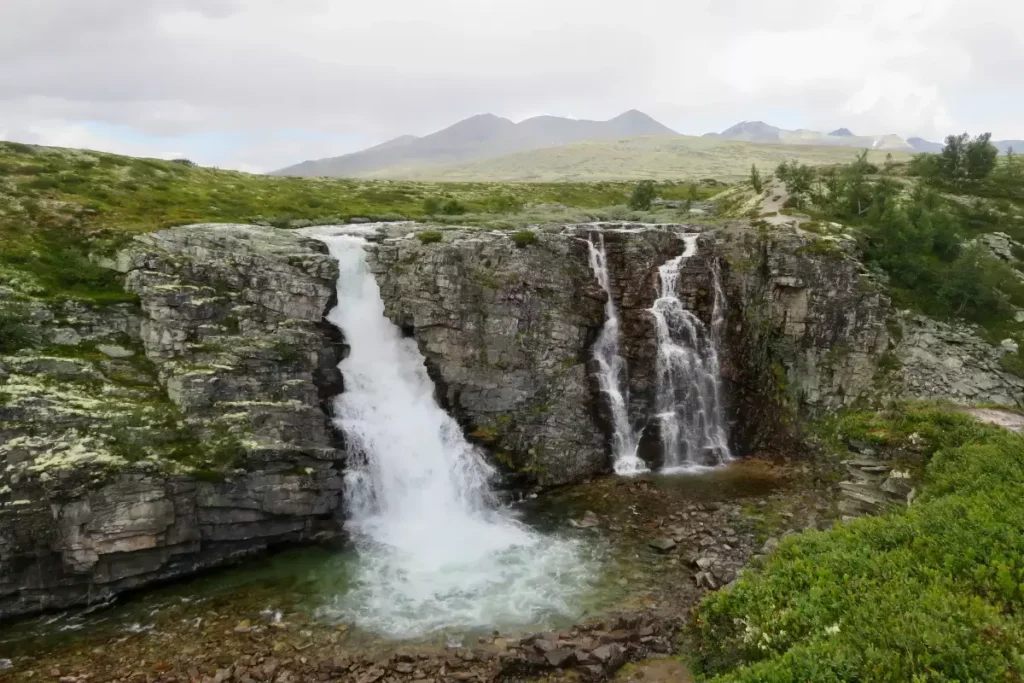
Norwegian mountain hiking feels peaceful in the wide, open valleys of Rondane National Park. I often come here to escape daily noise without facing the intense, technical challenges found elsewhere in Norway. Here, the landscape feels vast, not overwhelming.
Why Rondane works when I want solitude without extreme exposure
Rondane National Park is my refuge when I want to feel small in nature while staying safe. Unlike jagged, narrow ridges, its broad, forgiving terrain needs less focus on every footstep. Without extreme exposure, I can relax and breathe.
Exploring trails around Rondvassbu and the central mountain valleys
Trails near the iconic Rondvassbu lodge make an ideal base for Norwegian mountain hiking. From this central point, I can explore deep glacial valleys that seem untouched by time. Clear trail markers reduce navigation stress and keep my attention on the horizon.
Choosing shorter walks or longer hut-to-hut routes
This park gives my solo trips welcome flexibility. When energy runs low, I choose short, scenic loops for a quick breath of fresh air. When I feel ambitious, I connect mountain huts on a multi-day journey that builds accomplishment.
How the open terrain supports mindful walking and uncomplicated routines
Wide, open views encourage a steady, meditative rhythm in my steps. Without complex gear or difficult moves, I can practice true mindfulness. These simple routines help me return to daily life with a clearer perspective.
Stavanger and the Lysefjord for Accessible Adventure with a Reflective Edge
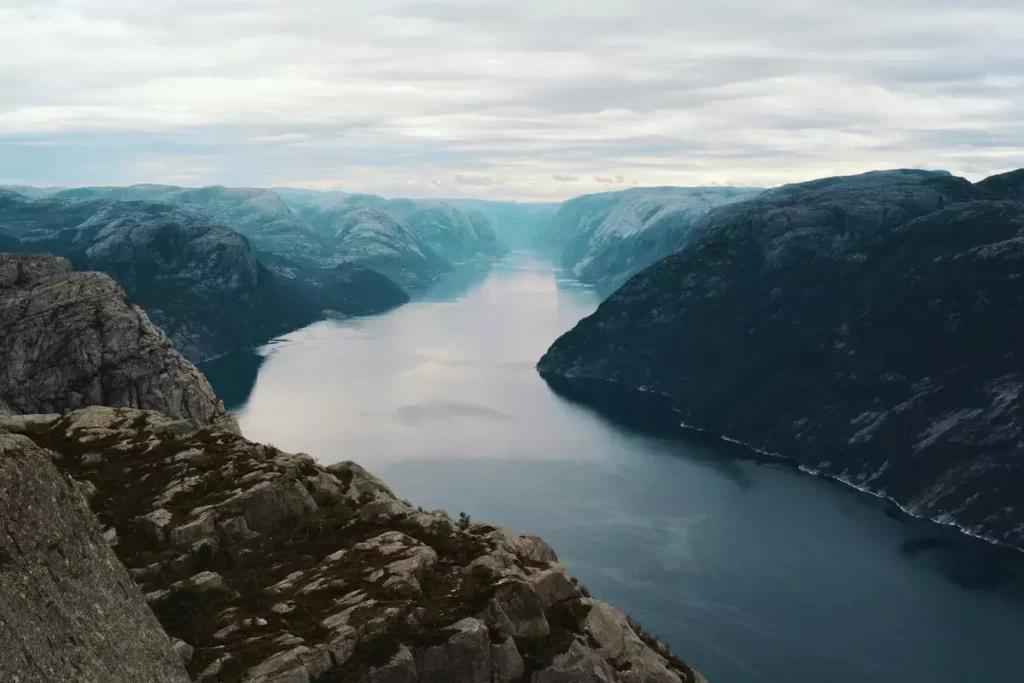
I often find that a busy city base and wild nature create a rewarding solo trip. From the city, I can explore the Stavanger Lysefjord region while keeping modern comforts nearby. This balance lets me test my limits by day and return to comfort at night.
Why Stavanger is useful for solo travelers who want a comfortable base
Stavanger blends historic charm with modern convenience, making it an ideal base. After a long trail day, I enjoy its varied restaurants and cozy cafes. These options offer security and ease while I explore a new country alone.
Hiking to Preikestolen while setting realistic expectations about popularity
The famous Preikestolen hike tops many travel lists, but summer crowds are heavy. I recommend starting very early to find a quiet moment at the summit. The path is well-marked and accessible, yet crowds can distract from the cliff’s beauty.
Choosing Kjeragbolten for a more demanding and exposed experience
For a tougher challenge, the Kjeragbolten hike offers rugged, exposed terrain. This trail requires stronger fitness and a steadier head for heights than other local routes. The effort clears my mind because the demanding terrain requires full attention at every step.
Using a fjord cruise or quiet waterfront walk to slow the pace
Not every meaningful day requires a hard mountain climb. I often take a relaxing fjord cruise to view massive rock walls from the water and see the Stavanger Lysefjord from a new angle. Alternatively, a quiet harbor walk lets me process my thoughts while boats drift by in calm evening light.
Bergen and Hardangerfjord for Culture, Rainy Day Reflection, and Flexible Hiking
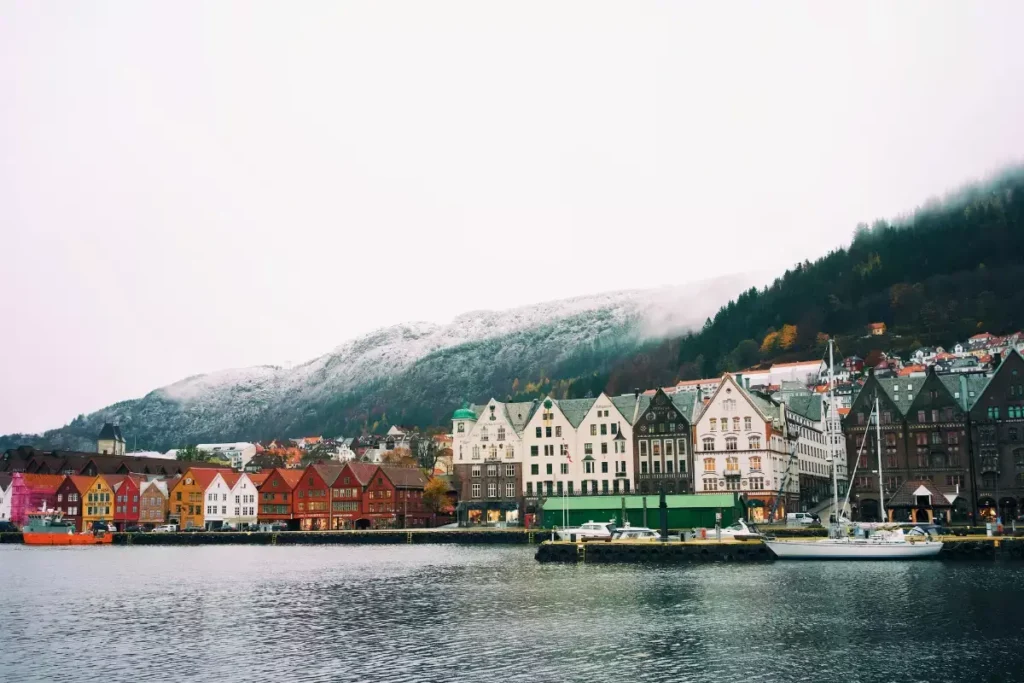
Bergen is my favorite gateway for balancing city life with mountain air. It suits solo travelers who value a warm bed and good meal after a long day. When weather turns, museums and cozy cafes keep discovery alive.
Why Bergen offers the best balance of city comfort and nearby nature
This city is an ideal home base for anyone not ready for total wilderness isolation. You can explore historic wooden buildings in the morning and walk deep in the forest that afternoon. This flexibility makes Bergen hiking stress-free for travelers who prefer fluid plans.
Walking Mount Fløyen and Mount Ulriken when I need an accessible escape
When I need to clear my head without going far, I visit the local mountains. Mount Fløyen offers gentle walks and panoramic harbor views, while Mount Ulriken provides a harder workout. Both are easy to reach, so they provide a quick nature break between city activities.
Extending the trip toward Hardangerfjord for orchards, waterfalls, and villages
After enjoying the city’s energy, I often travel east toward the Hardangerfjord. The region feels like another world, with blooming fruit orchards and dramatic waterfalls.
It invites me to slow down and appreciate Norway’s quieter side. Whether I explore small villages or find a scenic viewpoint, the Hardangerfjord area always gives me a sense of peace.
How I Would Plan a Safe and Meaningful Solo Hiking Trip in Norway
My solo hiking plans in Norway balance discovery with basic safety. A successful trip begins before I lace up my boots because rugged terrain demands care and respect.
Choosing the right season for daylight, weather, and trail access
I plan trips between late June and early September for the best conditions. By then, snow has mostly left high-altitude trails, while long daylight hours add an important safety buffer.
Early or late-season travel can bring closed mountain passes and sudden storms. I check local tourism boards for each trail’s official summer opening date.
Sharing a route plan and checking Norway’s mountain conditions
Before leaving, I share a detailed itinerary with a trusted contact at home. I also check Varsom.no for current weather and avalanche updates.
I never assume a trail is clear because it looks open on a map. Current mountain reports help me change plans when bad weather arrives.
Packing for changing mountain weather and limited services
For solo hiking safety Norway, I carry essential gear without overpacking. My kit includes waterproof layers, a reliable map, a compass, and a basic first-aid kit.
I bring a satellite communication device because deep valleys often have no cell service. My pack stays light, but it holds enough food and water to wait out a storm.
Respecting the right to roam while following Leave No Trace principles
The Norway right to roam, or Allemannsretten, lets people explore nature freely. I respect this privilege by using marked paths whenever possible, protecting fragile alpine plants.
I pack out all trash and avoid camping near private farmland or homes. These Leave No Trace practices help keep the landscape clean for everyone.
Conclusion
Choosing a destination depends on the kind of solitude you seek. You may want the dramatic variety of the Lofoten Islands or Jotunheimen’s demanding mountain distances. Maybe you prefer Senja’s coastal privacy, Rondane’s gentle terrain, or urban bases in Bergen and Stavanger.
These places in norway for reflection, hiking, and solo travel offer special ways to reconnect with yourself. Choose fewer locations, so you do not rush through the landscape. Good preparation helps you focus on the experience instead of travel logistics.
Leave plenty of unplanned time in your schedule. This space lets the environment shape your trip in unexpected ways. Meaningful solo travel Norway requires self-reliance and openness to the elements.
True Norway reflection begins when you stop checking your watch and listen to the wind. Moving at your own pace gives you more than photos. Embrace the quiet, notice small details, and let the mountains change your perspective.